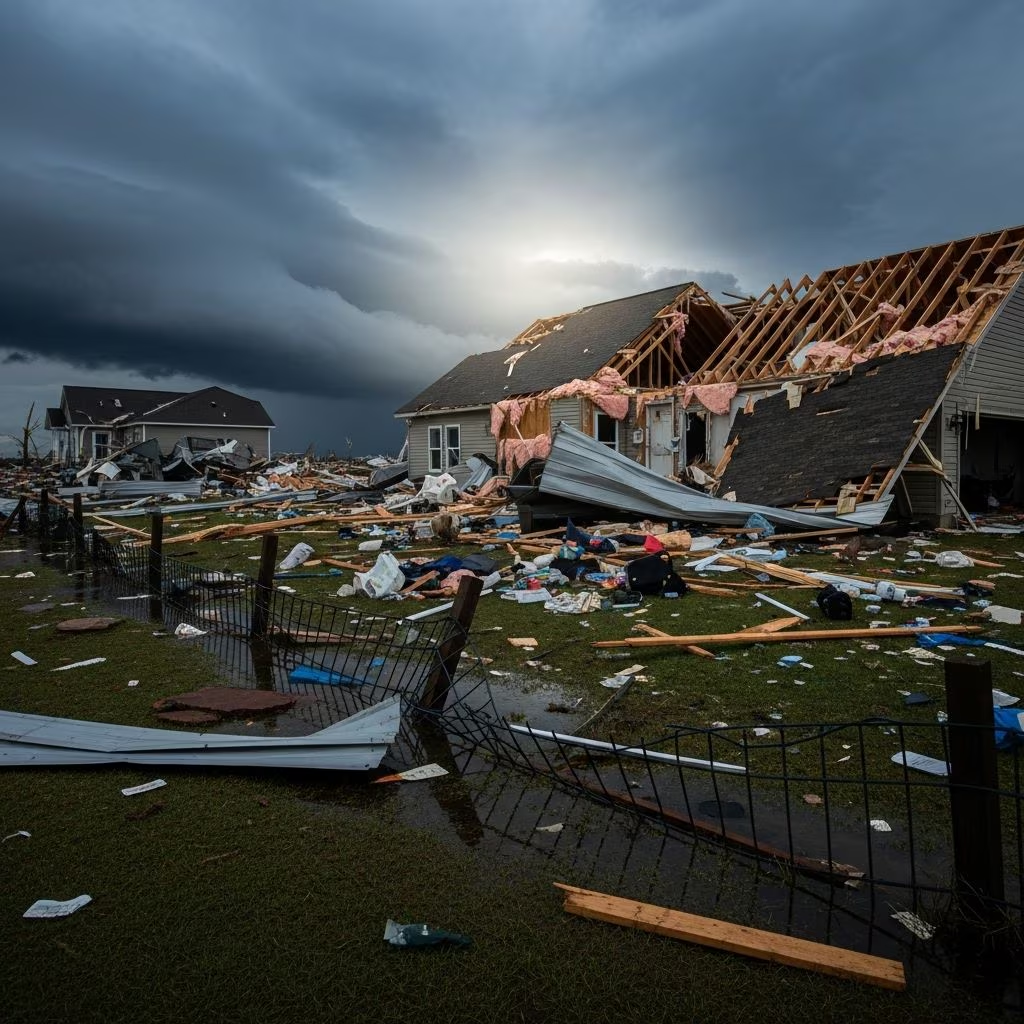
Devastating tornadoes strike without warning, leaving trails of destruction and financial burdens for homeowners. While many assume their standard homeowners policy provides comprehensive protection, numerous limitations can result in substantial uncovered losses. This article delves into the intricacies of tornado insurance, highlighting common pitfalls and strategies to safeguard your property effectively.
Core Components of Homeowners Policies in Tornado Events
Standard homeowners insurance typically includes tornadoes as a covered peril under windstorm provisions. This means damage from high winds, such as ripped-off roofs or shattered windows, qualifies for claims in most cases. However, coverage is segmented into specific categories, each with its own boundaries.
- Dwelling Protection: Focuses on the main house structure, covering repairs or rebuilding up to the policy limit.
- Detached Buildings: Extends to garages, sheds, and fences damaged by winds.
- Belongings Coverage: Replaces personal items like furniture and electronics, often with sublimits for high-value goods[10].
- Temporary Relocation Aid: Funds hotel stays and meals if your home becomes uninhabitable[10].
These elements form the backbone of protection, but their effectiveness hinges on policy specifics and local risk factors.
Critical Exclusions That Derail Claims
Not all storm-related damage falls under standard coverage. Flooding, a frequent tornado companion, demands separate flood insurance through the National Flood Insurance Program (NFIP) or private carriers, as it’s explicitly excluded from homeowners policies. Water intrusion from ground saturation or storm surges won’t trigger payouts without this add-on.
Additionally, some policies in high-risk zones impose wind exclusions or require endorsements for comprehensive windstorm protection. Tree-related damage adds complexity: fallen healthy trees are covered if they strike your home, but neglected or diseased ones may lead to claim denials under maintenance neglect clauses.
| Coverage Type | Typically Included? | Common Exclusion |
|---|---|---|
| Wind Damage to Roof | Yes | Pre-existing wear |
| Flood from Rain | No | Requires separate policy |
| Fallen Tree on Home | Yes (if healthy) | Neglected tree health |
| Debris Cleanup | Limited | Over policy debris limit |
Navigating Deductibles and Financial Hurdles
Deductibles represent the first barrier to recovery. In tornado alley states, insurers often apply separate wind/hail deductibles—1% to 5% of your dwelling coverage amount—far exceeding standard $1,000 deductibles. For a $300,000 home, a 2% wind deductible equals $6,000 out-of-pocket before benefits kick in.
Opting for lower deductibles hikes premiums, creating a trade-off between affordability and protection. Policy limits cap reimbursements; if rebuilding costs surpass these due to inflation or supply shortages, you’ll cover the difference. Regular policy audits ensure alignment with current home values.
Regional Variations and Premium Pressures
Tornado-prone regions like the Midwest face tailored policies with heightened scrutiny. Insurers in ‘Tornado Alley’ (Texas, Oklahoma, Kansas, etc.) may limit wind coverage or mandate higher deductibles to manage risk pools. Premiums soar in these areas, sometimes 50% above national averages.
Homeowners in coastal or hail-heavy zones encounter similar adjustments. Shopping multiple quotes and bundling with auto insurance can mitigate costs without sacrificing coverage breadth.
Steps to Fortify Your Coverage Before the Storm
Proactive measures bridge common gaps:
- Review Annually: Confirm wind inclusion, deductible levels, and limits match your home’s replacement cost.
- Add Flood Protection: Secure NFIP policies for basements or low-lying properties.
- Document Assets: Inventory belongings with photos and receipts for smoother claims[10].
- Upgrade Limits: Consider extended replacement cost riders for post-storm price surges.
- Mitigate Risks: Reinforce roofs and trim trees to qualify for discounts and avoid neglect denials.
Consulting an independent agent reveals customized options unavailable through direct providers.
Post-Tornado Claim Process: What to Expect
After a strike, act swiftly: secure the property, photograph damage, and notify your insurer within 24-48 hours. Adjusters assess losses, applying deductibles and limits to determine payouts. Disputes over valuations often arise; invoking appraisal clauses or hiring public adjusters can recover more.
Average claims exceed $10,000, but delays from backlog or disputes prolong recovery. Temporary repairs are reimbursable if documented as preventing further damage.
Real-World Case Studies of Coverage Shortfalls
Consider a Kentucky homeowner facing $250,000 in tornado repairs. Their $300,000 dwelling limit covered the structure, but a 3% wind deductible ($9,000) and $50,000 in uncovered flood damage left them scrambling. Another in Texas dealt with sublimits capping electronics at $5,000, forcing personal funding for pricier replacements.
These scenarios underscore the peril of outdated policies. Post-2023 inflation, rebuilding costs rose 20%, outpacing many limits.
Frequently Asked Questions About Tornado Insurance
Does standard home insurance cover tornado damage?
Yes, most policies cover wind damage from tornadoes to your home and belongings, excluding floods.
What is a windstorm deductible?
A separate, often higher deductible (1-5% of dwelling value) for wind/hail claims in prone areas.
Is flood damage covered after a tornado?
No, flood insurance is required separately via NFIP or private policies.
Can I lower my wind deductible?
Yes, but it increases premiums; weigh costs based on risk tolerance.
Does coverage include tree removal?
Limited to trees on structures; debris removal has sublimits[10].
How do I file a tornado claim?
Contact insurer immediately, document damage, and secure the site.
Advanced Strategies for High-Risk Homeowners
For those in frequent strike zones, parametric insurance offers fixed payouts triggered by storm intensity, bypassing adjuster delays. Hybrid policies blending traditional and flood coverage streamline recovery. Investing in storm-resistant features like impact windows yields premium reductions up to 35%.
Community rating systems via NFIP provide discounts for mitigation efforts, compounding savings. Long-term, diversifying carriers or self-insuring deductibles via savings buffers resilience.
In conclusion, while tornado insurance forms a vital safety net, its gaps demand vigilance. By understanding exclusions, optimizing deductibles, and supplementing with riders, homeowners can minimize post-storm financial shocks. Stay informed, review policies yearly, and prepare inventories to emerge stronger from nature’s fury.
References
- Understanding Tornado Insurance Basics — Hippo Insurance. 2024-05-15. https://www.hippo.com/learn-center/tornado-insurance
- Does insurance cover tornado damage? — American Family Insurance. 2024-03-20. https://www.amfam.com/resources/articles/understanding-insurance/is-my-insurance-tornado-ready
- Does Home Insurance Cover Tornado Damage? — Progressive Insurance. 2024-06-10. https://www.progressive.com/answers/does-home-insurance-cover-tornado-damage/
- Does Homeowners Insurance Cover Tornado Damage? — Bankrate. 2024-04-22. https://www.bankrate.com/insurance/homeowners-insurance/tornado-insurance/
- Does homeowners insurance cover tornado damage? — Allstate Insurance. 2024-02-28. https://www.allstate.com/resources/home-insurance/insurance-for-tornado-damage
- Does Homeowners Insurance Cover Tornado Damage? — Openly Insurance. 2024-07-05. https://openly.com/the-open-door/articles/does-homeowners-insurance-cover-tornado-damage