
Navigating Tornado Insurance Claims: A Comprehensive Recovery Guide
Master the tornado insurance claims process with expert strategies for maximum recovery.
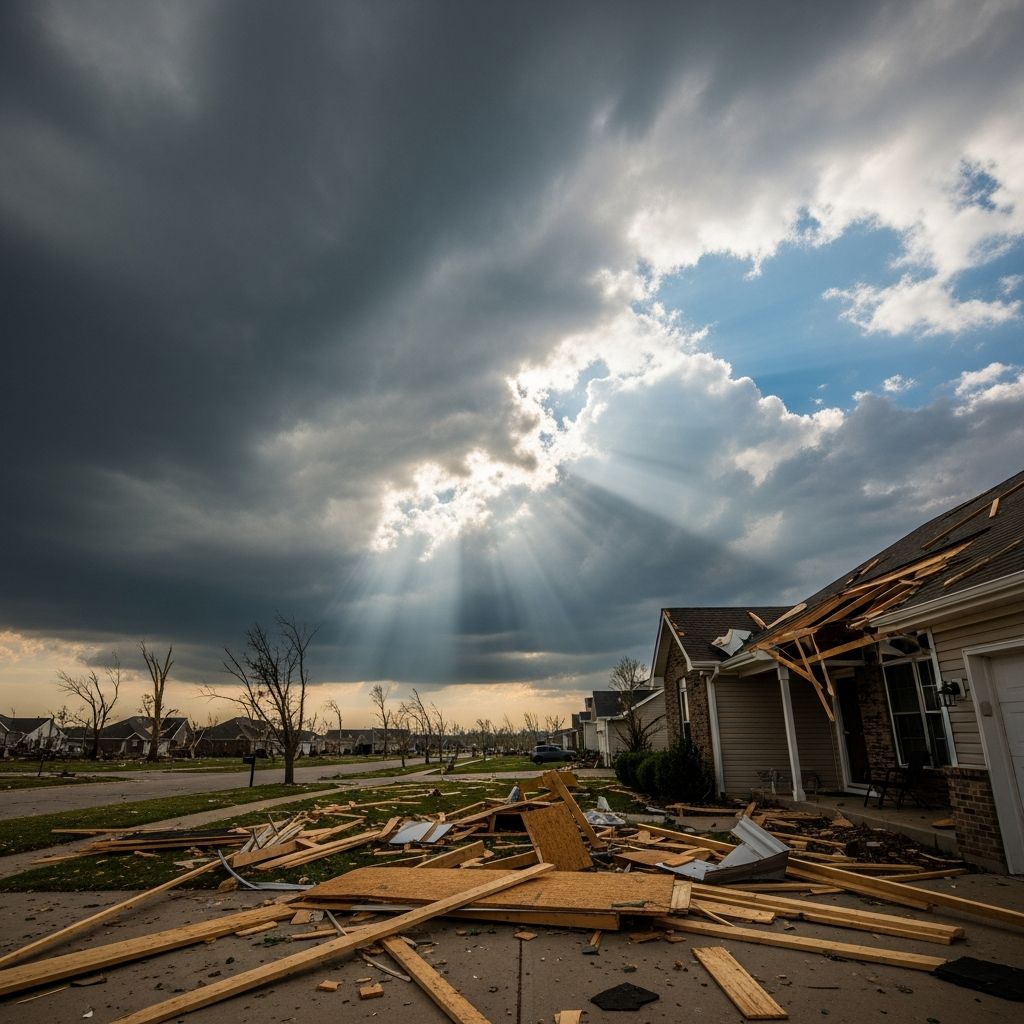
Understanding Your Path Forward After Tornado Damage
When a tornado strikes your property, the immediate aftermath can feel chaotic and overwhelming. Beyond the physical destruction, you face the complex task of working through the insurance claims process to rebuild your life. The difference between a successful claim and an underpaid settlement often comes down to preparation, documentation, and understanding your rights as a policyholder. This guide provides actionable strategies to help you navigate the tornado insurance claims journey and secure the compensation you deserve.
Immediate Steps to Take When Reporting Your Loss
The first hours and days following a tornado are critical for protecting your claim. Your immediate actions set the foundation for the entire process and can significantly influence the outcome.
Contact your insurance company without delay. Most insurance policies require notification within a specific timeframe—often within days of the damage occurring. Delaying notification can jeopardize your entire claim. When you call, be prepared to provide basic information about the damage, but avoid making detailed statements about the extent of losses until you’ve had time to document everything thoroughly. Consider asking to speak with a claims representative who can guide you through their specific procedures.
Request immediate guidance on temporary repairs. Your insurer typically expects you to take reasonable steps to prevent further damage, such as boarding windows or tarping a hole in the roof. Before undertaking any emergency repairs, document the damage with photographs and retain all receipts. Taking these precautions now prevents secondary damage that could complicate your claim later.
Ask about the claims process timeline. Understanding how your insurer operates helps you manage expectations. Many insurers are overwhelmed with claims after major tornado events, so knowing whether they offer mobile app filing, virtual assessment options, or quick-response teams helps you choose the fastest pathway.
Creating Comprehensive Documentation of All Losses
Documentation is your strongest asset throughout the claims process. The more thorough and organized your records, the harder it is for an insurer to deny or minimize your claim.
Photographing and Videoing Damage
Begin documenting immediately, even while the scene is chaotic. Take photographs and video from multiple angles, showing both overall property views and close-up details of specific damage. Document:
- Structural damage to the home’s exterior (roof, walls, windows, foundation)
- Interior water damage, collapsed ceilings, or debris
- Damaged vehicles, outbuildings, landscaping, and fencing
- Personal property losses with identifying details
- Any temporary repairs or mitigation efforts you’ve undertaken
If possible, avoid removing or discarding damaged items until the insurance adjuster has inspected them. Your physical evidence strengthens your case considerably.
Assembling a Detailed Inventory
Create a comprehensive list of all damaged or destroyed items with descriptions and estimated values. Include:
- Original purchase dates and prices (if available)
- Brand names and model information
- Condition before the tornado
- Current replacement costs
If you maintained a home inventory before the tornado—whether digital or paper—provide copies to your adjuster. This accelerates the claims process and provides evidence of what you owned. If you don’t have a pre-existing inventory, reconstruct one from memory, old photos, credit card statements, or receipts that survived the damage.
Preserving Financial Evidence
Collect and organize all receipts, invoices, credit card statements, and bank records related to:
- Original purchases of damaged items
- Emergency temporary housing expenses
- Emergency repairs to prevent further damage
- Temporary relocation costs
- Demolition or debris removal services
Keep originals in a safe location and provide copies to your insurer. These documents substantiate your losses and prevent disputes over valuations.
Understanding Your Insurance Policy Coverage
Many tornado claims become complicated because policyholders don’t fully understand what their coverage includes and excludes. Proactive policy review prevents unpleasant surprises during the claims process.
Distinguishing Between Wind and Water Damage
Standard homeowners insurance typically covers wind damage from tornadoes, but the water damage coverage varies significantly. This distinction matters tremendously because insurers often manipulate the classification of damage to minimize payouts. Tornadoes frequently cause both wind damage (torn roofs, broken windows) and subsequent water intrusion. You must prove that water damage resulted directly from the exterior damage the tornado created, not from flooding or other sources.
Flood damage requires separate coverage. Standard homeowners insurance explicitly excludes flood damage. To be protected against flooding, you need a separate flood insurance policy through the National Flood Insurance Program (NFIP) or a private insurer. NFIP policies cover up to $250,000 for structural damage and up to $100,000 for personal belongings. Many property owners outside designated high-risk zones don’t realize they need flood coverage, leaving themselves vulnerable.
Identifying Coverage Gaps and Exclusions
Review your policy for:
- Specific exclusions (mold, tree damage, code upgrades)
- Deductible amounts and whether they’re per-incident or aggregate
- Coverage limits on specific categories (personal property, additional living expenses, detached structures)
- Any endorsements or riders you’ve added for additional protection
- Requirements for specific types of damage claims
If you identify coverage gaps, document them in writing to your insurer. If your policy doesn’t cover all losses, you may qualify for supplemental FEMA assistance—but only after your insurance claim is settled.
Navigating the Claims Adjuster Interaction
The claims adjuster represents your insurer’s interests, not yours. Understanding this relationship helps you protect yourself throughout the process.
Preparing for the Adjuster’s Visit
Before the adjuster arrives:
- Organize your documentation and photographs chronologically
- Create a written list of all damaged items with estimated values
- Prepare a timeline of events and damage discovery
- Have your insurance policy available for reference
- Consider having a trusted advisor or professional present during the inspection
During the adjuster’s visit, remain professional and factual. Avoid emotional language or exaggerations, as these undermine credibility. Instead, present clear evidence and let the damage speak for itself.
Managing Communication with Your Insurer
Maintain detailed records of all interactions with your insurance company. Document:
- Date, time, and name of person you spoke with
- Topics discussed and any guidance provided
- Claims numbers and reference information
- Any promises made or deadlines established
Request that your insurer provide all communication in writing. If you make recorded statements, do so only after consulting with a tornado damage attorney who can advise you on protecting your interests.
Common Denial Tactics and How to Counter Them
Insurance companies sometimes employ questionable tactics to minimize payouts. Understanding these strategies helps you recognize and effectively challenge them.
Misclassifying Damage Categories
Insurers may label wind-driven rain as flood damage to avoid coverage or undervalue repairs by claiming damage resulted from pre-existing conditions or normal wear and tear. Combat this by:
- Providing clear evidence showing the tornado created the damage pathway for water entry
- Documenting pre-tornado property condition through photos or inspection reports
- Obtaining professional assessments distinguishing tornado damage from pre-existing conditions
Undervaluing Repair Estimates
An adjuster’s estimate may not reflect true replacement costs. Don’t automatically accept the insurer’s valuation. Instead:
- Obtain multiple repair bids from licensed contractors
- Research current material and labor costs for your region
- Request that the insurer explain their valuation methodology
- Challenge estimates that seem unreasonably low
Wrongfully Denying Claims
If your insurer denies coverage inappropriately, understand your appeal rights. Request a detailed written explanation of the denial, citing specific policy language and reasoning. Many states offer fast-track appeals processes after major disasters, and your state insurance department can facilitate this process.
Addressing Additional Living Expenses and Mitigation Costs
Beyond direct property damage, tornadoes often create significant additional expenses that many policyholders fail to claim.
Temporary Housing and Relocation
Most homeowners insurance policies cover additional living expenses when you’re temporarily displaced. Document all costs including:
- Hotel or rental accommodations
- Meals and transportation
- Storage for salvaged possessions
- Pet boarding or care services
Your insurer may arrange direct billing for lodging expenses, reducing your out-of-pocket burden. Request this arrangement when you file your claim.
Mitigation and Prevention Expenses
Legitimate mitigation costs typically include:
- Temporary roof tarping or window boarding
- Emergency water extraction and mold prevention
- Debris removal and demolition of unsafe structures
- Security guard services for damaged properties
- Professional cleaning to prevent further damage
Always retain receipts and documentation for these expenses. Even if your insurer doesn’t initially approve them, they’re often recoverable through persistent claims.
When to Seek Professional Assistance
Complex tornado claims sometimes require expert intervention to ensure fair treatment.
Public Adjusters
If you encounter difficulty getting your claim paid adequately after working through standard channels, consider hiring a public adjuster. These licensed professionals:
- Provide independent damage assessments
- Negotiate with insurers on your behalf
- Challenge undervaluations and improper denials
- Work on contingency (typically taking a percentage of increased payouts)
Verify that any public adjuster you hire holds proper licensure in your state.
Insurance Attorneys
Consider legal consultation if your insurer:
- Wrongfully denies your claim
- Offers a settlement you believe severely undervalues your losses
- Misclassifies damage to avoid coverage
- Delays processing without legitimate justification
Tornado damage attorneys specialize in challenging improper denials and fighting for fair compensation.
Exploring Supplemental Disaster Assistance
If insurance doesn’t fully cover your losses, federal and state programs may provide additional support.
FEMA Assistance
In federally declared disaster areas, FEMA may provide:
- Grants for uninsured or underinsured losses
- Rental assistance for temporary housing
- Assistance with repairs and reconstruction
Importantly, you must file an insurance claim first before qualifying for most FEMA assistance. FEMA considers insurance proceeds before providing supplemental aid.
Other Resources
Explore additional assistance through:
- Small Business Administration disaster loans
- Tax deductions for uninsured casualty losses
- State insurance commissioner fast-track appeals
- Local disaster recovery programs
Visit DisasterAssistance.gov for comprehensive information about available programs.
Preparing Your Insurance Coverage Before Disaster Strikes
While you can’t prevent tornadoes, you can optimize your insurance protection before disaster arrives.
Essential Coverage Review
Periodically verify that your coverage limits reflect current property values and reconstruction costs. Many policyholders maintain outdated limits that leave them significantly underinsured. Request a policy review with your agent to ensure adequate protection across all categories.
Considering Additional Endorsements
Depending on your location and property characteristics, you may benefit from:
- Separate flood insurance policies
- Mold coverage endorsements
- Code upgrade coverage for bringing repairs to current building codes
- Water backup coverage for sump pump failures
Maintaining a Home Inventory
Creating a detailed home inventory before disaster occurs dramatically accelerates claims processing. Include photos, descriptions, and estimated values of major items and belongings. Store copies in a secure off-site location and update annually.
Frequently Asked Questions
Q: How long do I have to file a tornado insurance claim?
A: Most insurance policies require notification within days of damage occurring. However, specific timeframes vary by policy and insurer. Review your policy or contact your agent immediately after a tornado to confirm your required filing window.
Q: What if my insurance company’s damage estimate is lower than repair bids I’ve obtained?
A: You’re not obligated to accept the insurer’s valuation. Obtain multiple contractor bids, document current market rates for materials and labor, and formally dispute the estimate. If disputes persist, consider hiring a public adjuster or attorney.
Q: Does homeowners insurance cover tree damage and removal from tornadoes?
A: Coverage for tree damage varies significantly between policies. Some policies cover fallen trees up to specific dollar limits, while others exclude tree damage entirely. Review your policy or contact your agent for clarification.
Q: Can I apply for FEMA assistance even if my insurance denial was disputed?
A: Generally, you must have an insurance settlement or written denial before FEMA will consider you for assistance. If your claim is disputed, work to resolve it with your insurer or through your state insurance department before applying for federal aid.
Q: What expenses qualify as additional living expenses covered by insurance?
A: Covered expenses typically include temporary housing, meals, transportation, and other necessary costs incurred because your home is temporarily uninhabitable. Keep detailed records with receipts for all expenses.
Q: Should I hire an attorney before filing my tornado insurance claim?
A: While not always necessary, consulting an attorney before making recorded statements or accepting settlements can protect your interests. This is particularly important if your insurer is slow to respond, appears to be undervaluing your claim, or wrongfully denies coverage.
References
- Tips for Filing Tornado Insurance Claims After a Storm — Daly & Black. 2024. https://www.dalyblack.com/tips-for-filing-tornado-insurance-claims-after-a-storm/
- How to File Tornado Insurance Claims — Kiplinger. 2024. https://www.kiplinger.com/personal-finance/insurance/603917/how-to-file-tornado-insurance-claims
- 6 Quick Tips About Tornado Claims — Globe Midwest Adjusters International. 2024. https://www.globemw-ai.com/news/6-quick-tips-about-tornado-claims/
- Tornado Damage and Insurance Claims: 8 Important Tips — C&S Insurance. 2024. https://www.candsins.com/blog/tornado-damage-and-insurance-claims-8-important-tips/
- Help After a Storm: Recovery Tips — Texas Department of Insurance. 2025. https://www.tdi.texas.gov/consumer/storms/recoverytips.html
- Tornadoes: Tips to Help Prepare and Recover — State Farm. 2025. https://www.statefarm.com/simple-insights/safety/tornadoes
Similar Articles








Read full bio of medha deb




