
Undefined Resume Lies: 4 Strategic Defenses For Employers Now
Uncover the most frequent and absurd lies on resumes and discover practical strategies for employers to detect and prevent them effectively.
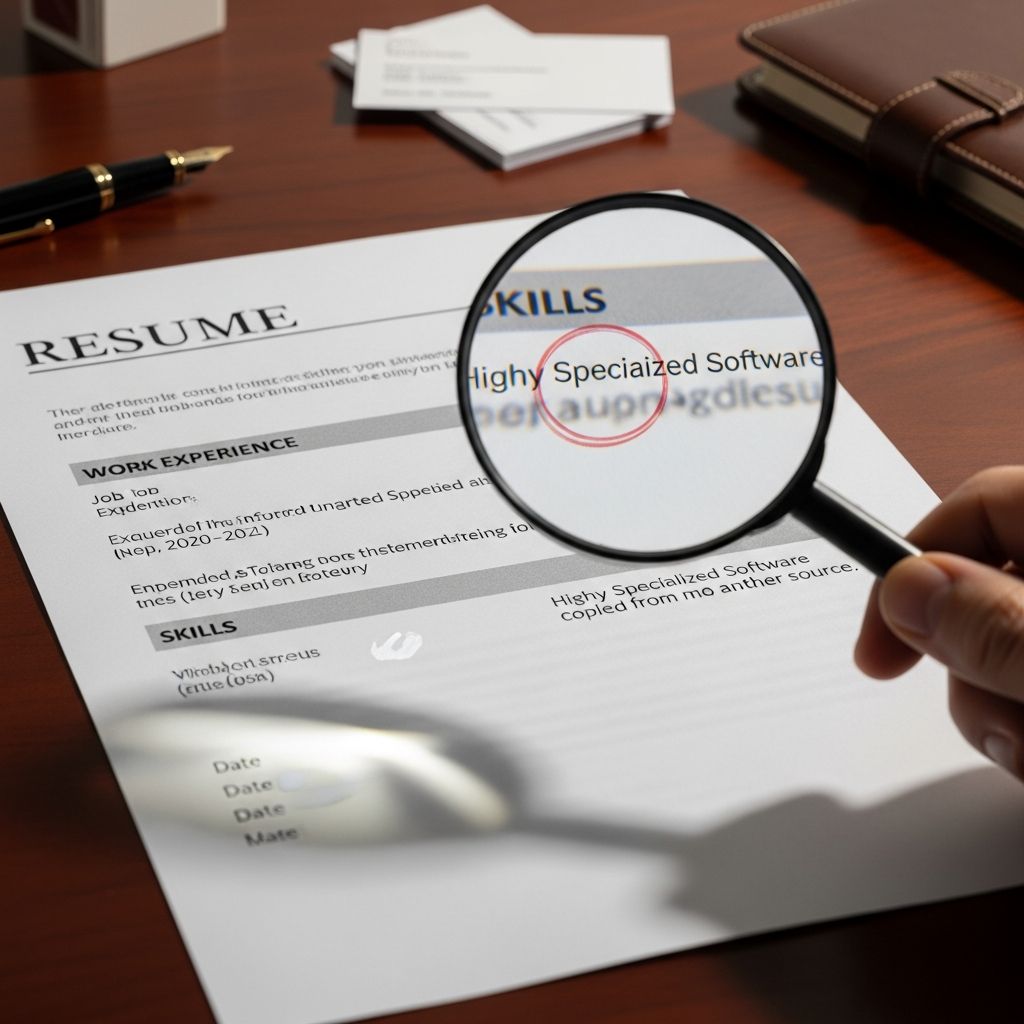
Resumes serve as the initial gateway for job candidates to showcase their qualifications, yet they frequently harbor misleading information. Surveys indicate that a significant majority of hiring managers encounter fabrications, underscoring the need for vigilance in recruitment processes. This article delves into prevalent deceptions, their implications, and actionable countermeasures for businesses.
Why Candidates Resort to Fabrication
In competitive job markets, applicants often feel pressured to embellish achievements to stand out. Economic uncertainties amplify this tendency, with younger professionals particularly prone to stretching truths. However, such tactics risk severe repercussions, including immediate disqualification and reputational harm.
- Intense competition pushes exaggeration of skills and experiences.
- Gaps in employment history prompt timeline alterations.
- Perceived inadequacies lead to invented credentials.
Prevalent Fabrications in Professional Histories
Employment timelines top the list of common distortions. Candidates adjust dates to conceal unemployment periods or overlap roles unrealistically. A simple verification call often exposes these inconsistencies, as prior employers maintain accurate records.
Inflated job titles represent another frequent issue. Applicants upgrade modest positions to managerial levels, hoping to impress. This backfires during interviews when probed on leadership responsibilities they never held.
| Fabrication Type | Frequency | Detection Method |
|---|---|---|
| Altered Dates | High | Reference Calls |
| Exaggerated Titles | Medium | Interview Probes |
| Invented Roles | High | Background Checks |
Educational Misrepresentations Unveiled
Claiming unearned degrees or attendance at prestigious institutions ranks among the boldest lies. One case involved a candidate listing an Ivy League program after completing a single online module. Background verification services swiftly debunk such claims by cross-referencing transcripts and alumni records.
Graduation years are also manipulated to appear more seasoned or recent. Employers counter this through direct university inquiries or third-party verifiers, ensuring academic claims hold water.
Skill Set and Language Proficiency Exaggerations
Many boast fluency in languages or mastery of software they barely understand. During assessments, these pretenses crumble—typing tests reveal poor proficiency, and practical demos expose gaps. Recruiters increasingly incorporate skill validations to filter genuine talent.
- Language claims fail under conversational tests.
- Technical skills falter in coding challenges.
- Software expertise unravels via simulations.
Invented Achievements and Recognitions
Fabricated awards and promotions dazzle on paper but invite scrutiny. Interviewers ask for details on purported accomplishments, revealing shallow knowledge. Promotions, in particular, demand specifics on contributions, where deceivers stumble.
Past salary distortions aim for higher offers but invite reference checks. Discrepancies here signal broader dishonesty.
Uncommon Yet Audacious Deceptions
Extreme cases include claiming CEO tenure at the target company or authorship of proprietary code mirroring the reviewer’s work. Such brazen attempts rarely succeed, often amusing interviewers while prompting swift rejections.
These outliers highlight the spectrum of desperation, from minor tweaks to outright inventions that undermine credibility instantly.
Job Duties and Volunteer Padding
Candidates invent responsibilities matching job descriptions, only to struggle in role. Volunteer stints add a compassionate veneer but verify poorly against organizational logs. Location falsifications delay interviews, eroding trust upon revelation.
Reference and Termination Excuses
Furnishing unreliable references, like friends posing as supervisors, fails under pointed questioning. Misstating firing reasons as voluntary departures unravels via employer confirmations.
Strategic Defenses for Employers
To combat these issues, integrate multi-layered verification from the outset. Begin with automated resume scanners flagging inconsistencies, then advance to comprehensive checks.
- Conduct thorough background screenings via accredited firms.
- Implement skills-based assessments pre-interview.
- Probe deeply during behavioral interviews.
- Always verify references independently.
Leverage technology like AI-driven anomaly detection in dates and titles. For small businesses, affordable services provide enterprise-level scrutiny.
Legal Ramifications of Deception
Discovering lies post-hire justifies termination without notice in at-will states. Document all findings meticulously to shield against wrongful dismissal claims. Proactive policies deter applicants inclined to dishonesty.
Building a Culture of Integrity
Foster transparent hiring by emphasizing values alignment over perfect resumes. Train recruiters to spot red flags: overly polished narratives, frequent job hops without progression, or vague descriptions.
| Red Flag | Action |
|---|---|
| Vague Achievements | Request Examples |
| Inconsistent Timeline | Verify Dates |
| Overstated Skills | Test Proficiency |
Frequently Asked Questions (FAQs)
What percentage of resumes contain lies?
Around 75% of HR managers report catching fabrications, per industry surveys.
Can small businesses afford background checks?
Yes, cost-effective packages start under $50 per candidate, offering education and employment verification.
What if a lie is discovered after hiring?
Termination is typically defensible if documented properly, protecting the company’s interests.
How can candidates avoid accidental exaggeration?
Stick to verifiable facts, quantify achievements accurately, and be prepared to elaborate.
Are skills tests effective against lies?
Highly, as they objectively measure capabilities beyond self-reported claims.
Conclusion: Hiring with Confidence
By understanding common deceptions and deploying robust verification, employers minimize risks and secure reliable hires. Integrity remains the cornerstone of successful teams.
References
- The 10 most outrageous resume lies — Human Resources Online. 2023-05-15. https://www.humanresourcesonline.net/the-10-most-outrageous-resume-lies
- Eleven Most Common Lies People Put on Their Resume — EHS Careers. 2024-02-10. https://resources.ehscareers.com/directory/eleven-most-common-lies-people-put-on-their-resume-article-1109.aspx
- 20 Most Common Lies on Resumes and Why Applicants Get Caught — Skillroads. 2024-09-01. https://skillroads.com/blog/most-common-lies-on-resumes
- Resume Lies: Common Mistakes Job Seekers Make and How to Avoid Them — Vault. 2024-09-20. https://vault.com/blogs/resumes-cover-letters/resume-lies-common-mistakes-job-seekers-make-and-how-to-avoid-them
- The 10 most common lies in CVs | Survey — DISA. 2023-11-12. https://disa.com/se/en/resources/the-10-most-common-lies-in-cvs/
Similar Articles








Read full bio of medha deb




