
Credit Report Errors: Step-By-Step Guide To Fixing Mistakes Now
Discover the most frequent credit report inaccuracies, their impacts on your finances, and proven steps to correct them effectively.
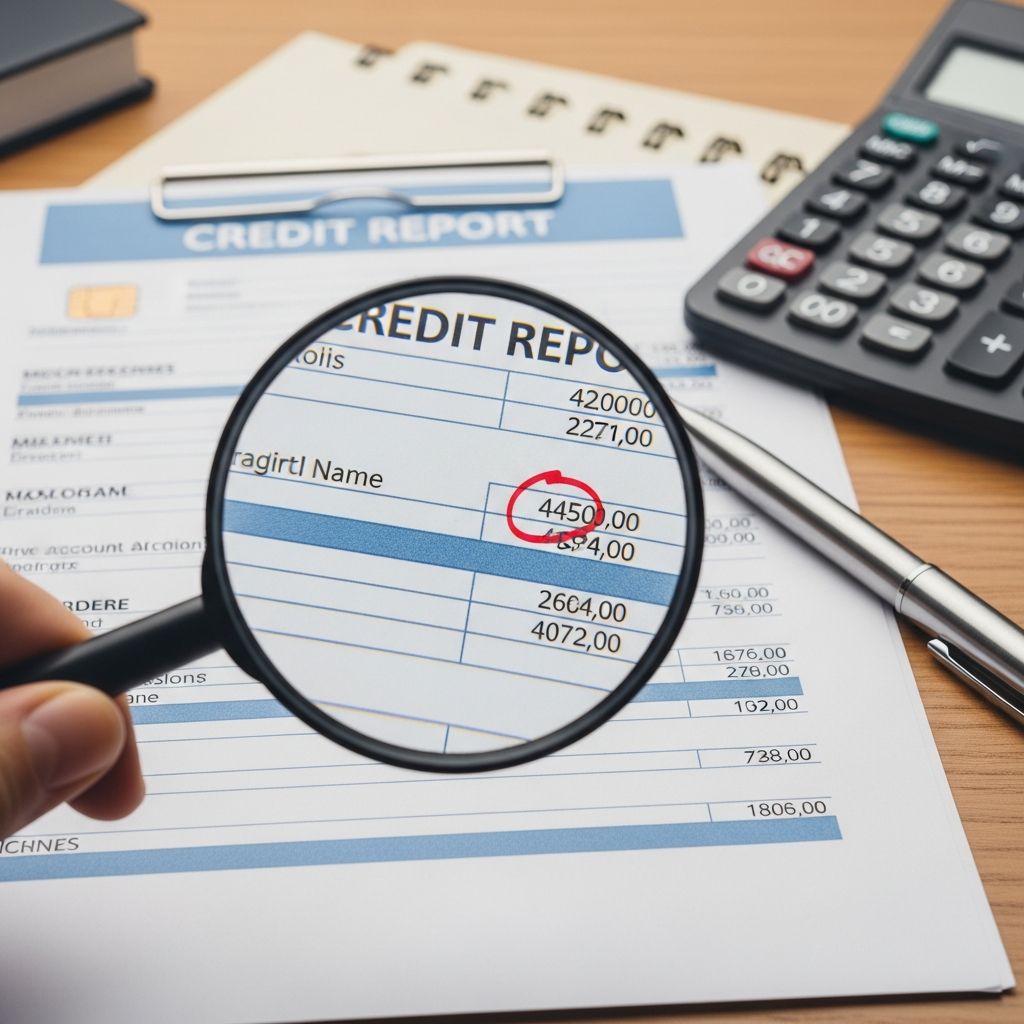
Your credit report is a critical financial document that influences loan approvals, interest rates, job opportunities, and more. Errors on it can unfairly lower your credit score and limit your options. Studies show nearly half of consumers find mistakes upon review, with over a quarter facing serious issues like unrecognized debts. This guide explores prevalent errors, their consequences, and actionable remedies using insights from authoritative sources.
Understanding Credit Reports and Their Importance
Credit reports, compiled by agencies like Equifax, Experian, and TransUnion, aggregate data from creditors on your payment history, debts, and personal details. Under the Fair Credit Reporting Act (FCRA), these agencies must ensure ‘maximum possible accuracy.’ Yet, data entry flaws, identity mix-ups, and creditor errors persist. Regularly checking your free weekly reports at AnnualCreditReport.com is essential to catch issues early.
Errors distort key FICO score factors: payment history (35%), amounts owed (30%), length of credit history (15%), new credit (10%), and credit mix (10%). Even minor inaccuracies can drop scores by 50-100 points, raising borrowing costs by thousands over a loan’s life.
Prevalent Personal Information Discrepancies
The most straightforward yet pervasive errors involve basic identifiers. These include misspelled names, incorrect addresses, wrong Social Security numbers (SSNs), outdated phone numbers, or even erroneous birth dates. Such mistakes often stem from clerical errors or data merges with similar profiles.
- Misspelled or Wrong Names: A slight variation like ‘Jon Smith’ vs. ‘John Smyth’ can fragment your history across multiple files.
- Inaccurate Addresses or Phones: Old details may link you to unrelated debts.
- SSN or DOB Errors: These trigger ‘mixed files,’ blending your record with another’s.
- Extreme Cases: Reports falsely listing you as deceased or on terror watchlists (OFAC/SDN).
Impact: Lenders may deny applications suspecting fraud, and employers could flag mismatches in background checks. A Consumer Reports study found 34% of reviewers spotted personal info errors.
Fraudulent or Mismatched Accounts
Unauthorized accounts top serious error lists, often signaling identity theft or file merges. You might see loans, credit cards, or retail lines you never opened. Warning signs: unfamiliar addresses, SSNs, or sudden new debts.
Mixed files occur when agencies conflate records due to name/SSN similarities. Consumer Reports noted 27% found unrecognized accounts or collections. These inflate credit utilization and payment history negatives.
| Error Type | Common Causes | Potential Score Impact |
|---|---|---|
| Unrecognized Accounts | Identity theft, data mix-up | High (100+ point drop) |
| Duplicate Listings | Collection handoffs | Medium |
| Mixed Files | Similar personal data | High |
Account Status and Reporting Flaws
Creditors supply data, but transmission errors abound. Common issues:
- Wrong Status: Closed accounts shown open, or vice versa.
- Payment Errors: On-time payments marked late, incorrect delinquency dates.
- Balance/Limit Mistakes: Inflated balances skew utilization ratios above 30%, hurting scores.
- Authorized User Errors: Listed as primary holder, adding full liability.
- Outdated Negatives: Delinquencies over 7 years should vanish.
- Discharged Debts/Bankruptcies: Erroneously persisting post-resolution.
These directly sabotage payment history and utilization metrics. For instance, duplicate debts from collectors appear as new obligations.
Real-World Consequences of Credit Errors
Beyond scores, errors ripple widely. Higher rates on mortgages (e.g., 0.5% increase adds $20K+ over 30 years), auto loans, or rentals. Job rejections hit 25% of cases with mismatches. Insurance premiums rise based on flawed risk profiles.
A 2023 Consumer Reports analysis revealed 44% error rate among 4,000+ participants, with access barriers compounding issues—25% couldn’t retrieve reports online. Proactive checks mitigate these, as FCRA mandates 30-day investigations.
Step-by-Step Guide to Disputing Errors
Fixing errors is straightforward and free. Follow these steps from CFPB guidelines:
- Obtain Reports: Get free weekly from AnnualCreditReport.com. Review all three bureaus.
- Document Errors: Note discrepancies with supporting docs (statements, IDs).
- Dispute Online/Mail: Use bureau portals or certified mail. Include evidence.
- Notify Furnishers: Contact creditors directly; they must investigate.
- Track Progress: Bureaus respond in 30 days. Follow up if needed.
- Elevate if Denied: Add statements of dispute or file CFPB/FTC complaints.
Sample timeline: Dispute → Investigation → Correction/Reinvestigation notice. Success rates exceed 80% for valid claims.
Preventing Future Credit Report Problems
Proactive habits safeguard your profile:
- Freeze credit with bureaus to block fraud.
- Enroll in monitoring services.
- Review reports quarterly.
- Use credit cards responsibly; pay on time.
- Shred sensitive docs; enable alerts.
Avoid ‘repair’ scams promising guarantees—legit fixes are free via disputes.
Frequently Asked Questions (FAQs)
How often should I check my credit report?
Annually at minimum, but weekly free access makes monthly ideal. Check before major applications.
What if a bureau denies my dispute?
Add a 100-word statement to your file. Complain to CFPB or sue under FCRA if willful.
Can errors be removed faster than 30 days?
Typically no, but simple fixes resolve quicker. Rush requests rarely honored.
Does fixing errors improve my score immediately?
Updates reflect in days to months as scores recalculate.
Are paid collections still reported?
Yes, up to 7 years, but ‘paid’ status helps.
Advanced Strategies for Credit Optimization
Post-correction, optimize: Request goodwill adjustments from creditors, become authorized users on positive accounts, or use secured cards to build history. Track utilization below 30%. Tools like FICO apps provide real-time insights.
For identity theft victims, place fraud alerts (1-year) or extended (7-year) via one bureau—it propagates. File police reports for documentation.
In summary, vigilance turns credit pitfalls into strengths. Regular audits empower financial control, unlocking better rates and opportunities.
References
- Common Credit Report Mistakes Could Cost You — Our CU Online. 2023. https://www.ourcuonline.org/blogs?blog_id=141
- 3 Most Common Credit Report Errors — Berger Montague. 2024-01-15. https://bergermontague.com/blog-most-common-credit-report-errors/
- Common Credit Report Errors and How to Fix Them — OneMain Financial. 2025-03-10. https://www.onemainfinancial.com/resources/credit/common-credit-report-errors-and-how-to-fix-them
- Almost Half of Participants in Credit Checkup Study Find Errors — Consumer Reports. 2023-11-20. https://advocacy.consumerreports.org/press_release/almost-half-of-participants-in-credit-checkup-study-find-errors-on-credit-reports-more-than-a-quarter-find-serious-mistakes/
- What are common credit report errors? — Consumer Financial Protection Bureau. 2025-06-01. https://www.consumerfinance.gov/ask-cfpb/what-are-common-credit-report-errors-that-i-should-look-for-on-my-credit-report-en-313/
- Typical Errors on Credit Reports — First Hawaiian Bank. 2024. https://www.fhb.com/en/resource-center/credit-protection/typical-errors-credit-reports
- Inaccuracies in Reporting — AnnualCreditReport.com. 2025. https://www.annualcreditreport.com/inaccuraciesInReporting.action
- Dispute errors on your credit report — USAGov. 2026-01-15. https://www.usa.gov/credit-report-errors
Similar Articles








Read full bio of medha deb




