
Top 10 Most Dangerous Foods for Foodborne Illness
Discover the leading foods linked to recalls, outbreaks, and serious illnesses—learn how to protect yourself and your family from hidden dangers.
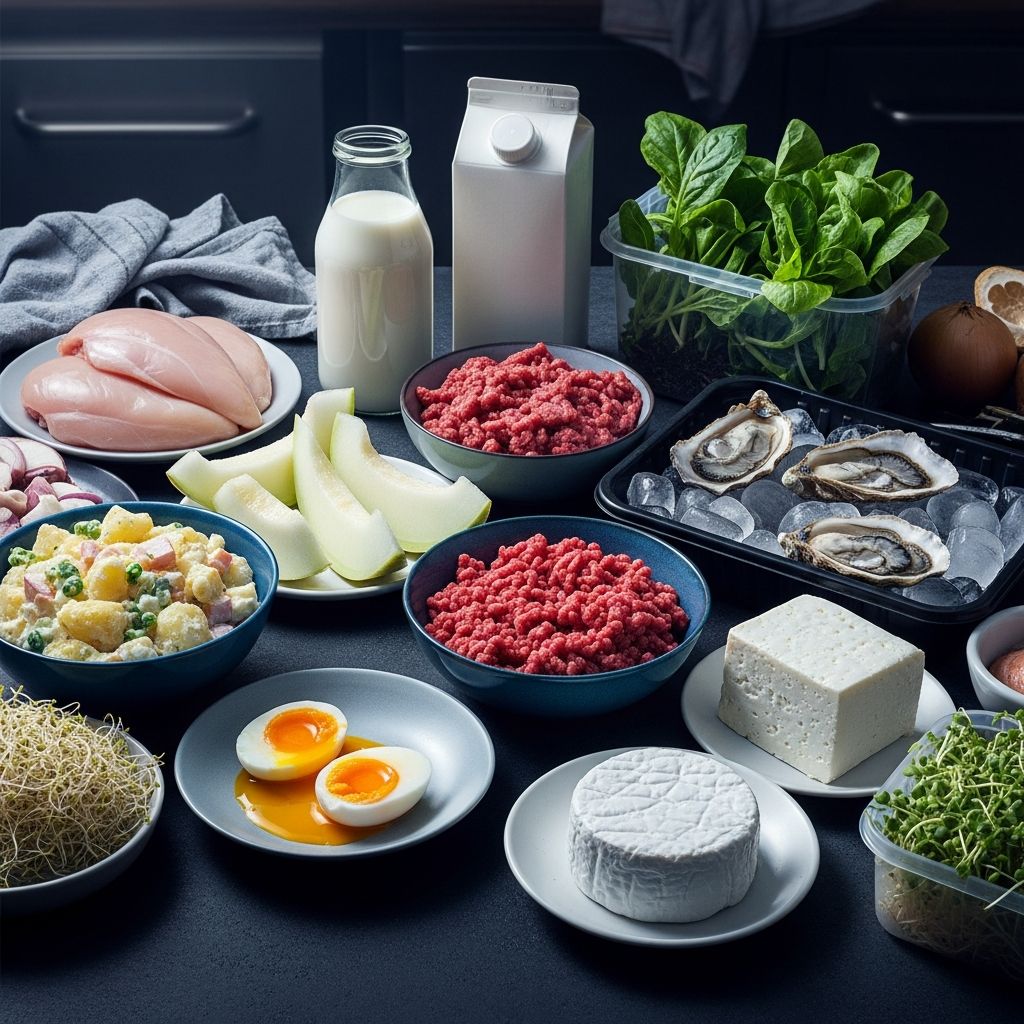
Foodborne illnesses affect millions annually, with certain everyday staples repeatedly topping lists of culprits due to bacterial contamination. Data from federal agencies reveals patterns in recalls and outbreaks, highlighting produce, meats, and unexpected items like flour as high-risk. Understanding these dangers empowers consumers to make safer choices through proper handling, cooking, and awareness of recalls.
Understanding Foodborne Pathogens and Their Impact
Pathogens like E. coli, Salmonella, and Listeria thrive in specific foods, leading to symptoms from severe diarrhea to life-threatening complications. The CDC estimates tens of millions of cases yearly in the U.S., with hospitalizations and deaths rising in recent years—up 20% in confirmed illnesses and doubled in fatalities per 2024 reports. Contamination often occurs during farming from animal runoff, processing, or inadequate sanitation.
Recalls spiked 41% in 2024 for these bacteria, involving brands like Boar’s Head and McDonald’s, underscoring the need for vigilance. Vulnerable groups—children, elderly, pregnant individuals, and immunocompromised—face higher risks.
Ranking the Riskiest Foods: Data-Driven Insights
Compiled from 2017-2022 federal data and 2024 outbreaks, this list prioritizes foods by illnesses, deaths, recalls, and pounds recalled. Leafy greens lead due to sheer volume, while deli meats show high outbreak frequency.
| Rank | Food | Main Pathogens | Illnesses (Key Periods) | Deaths | Recalls/Outbreaks |
|---|---|---|---|---|---|
| 1 | Leafy Greens | E. coli, Listeria | 614 (2017-22); 117 (2024) | 11 (2017-22); 1 (2024) | 50 (2017-22) |
| 2 | Deli Meats & Cheeses | Salmonella, Listeria | 409 (2017-22); 165 (2024) | 7 (2017-22) | 122 (2017-22) |
| 3 | Ground Beef | E. coli, Salmonella | 643 (2017-22) | 2 | 22 |
| 4 | Onions | Salmonella, E. coli | 2,167 (2017-22); 104 (2024) | 1 (2024) | 13 |
| 5 | Turkey & Chicken | Salmonella | 398+190 (2017-22) | 3 total | 8 total |
| 6 | Papayas & Peaches | Salmonella | 332+101 (2017-22) | 2 | 18 total |
| 7 | Cantaloupe & Cucumbers | Salmonella, E. coli | 302 (2017-22); 664 cucumbers (2024) | 0 | 10 total |
| 8 | Eggs | Salmonella | 93 (2024) | 0 | Multiple recalls |
| 9 | Organic Carrots | E. coli | 48 (2024) | 1 | 1 major |
| 10 | Flour & Soft Cheeses | E. coli, Salmonella, Listeria | Various | Various | Multiple |
1. Leafy Greens: The Top Contamination Hotspot
Salad staples like romaine, spinach, and lettuce top the list with 50 outbreaks from 2017-2022, causing 11 deaths and over 4 million cases recalled. In 2024, E. coli in spinach and lettuce mixes sickened 117, linked to cattle runoff in irrigation water. Bacteria cling to leaves during growth or washing.
- Safe Practices: Wash thoroughly under running water, even pre-washed bags. Cook to steaming hot. Avoid if recalls issued.
- Pro Tip: Buy whole heads over bagged mixes to reduce cross-contamination risks.
2. Deli Meats and Cheeses: Listeria Lurking in Convenience
Processed slices caused 122 outbreaks, 7 deaths, and 17 million pounds recalled. 2024’s Boar’s Head listeria outbreak hit 165 illnesses, the largest that year, due to factory contamination. Low-acid, ready-to-eat nature allows Listeria growth even refrigerated.
- Prevention: Heat to 165°F before eating. Avoid if pregnant or high-risk.
- Recall Alert: Check USDA for updates on charcuterie and coppa.
3. Ground Beef and Poultry: Protein Perils
Ground beef’s grinding process spreads bacteria internally, leading to 643 illnesses. Turkey and chicken follow with Salmonella, recalling hundreds of thousands of pounds. CDC notes ground beef as a top Salmonella source.
- Cook Thoroughly: 160°F for beef, 165°F for poultry.
- Hygiene: Use separate boards to avoid cross-contamination.
4-6. Produce Pitfalls: Onions, Tropical Fruits, and Melons
Onions caused massive recalls (78 million pounds) and 2024 E. coli in McDonald’s burgers. Papayas and peaches linked to Salmonella deaths; cantaloupes’ rough rind harbors bacteria. Cucumbers sickened 664 in 2024 from soil runoff.
- Handling: Scrub skins, store dry, cook if possible.
- Organic Note: Not inherently safer; processing plants pose risks.
7-10. Hidden Risks: Eggs, Carrots, Flour, and Cheeses
Eggs carry internal Salmonella, with 2024 recalls from farms like Milo’s. Organic carrots’ 2024 E. coli outbreak hit 48. Flour, raw and grind-contaminated, surprises bakers. Soft cheeses like queso fresco bred Listeria for years. CDC advises against raw dough.
Safer Alternatives and CDC Guidelines
The CDC outlines riskier vs. safer choices to guide consumers.
| Category | Riskier Choices | Safer Choices |
|---|---|---|
| Produce | Raw sprouts, unwashed greens, cut melon >2hrs room temp | Cooked sprouts, washed/cooked veggies, refrigerated cut melon <7 days |
| Eggs | Runny eggs, raw dough, unpasteurized nog | Firm-cooked eggs/dishes at 160-165°F, pasteurized in uncooked recipes |
| Meat/Seafood | Undercooked ground meats, raw oysters | Fully cooked to safe temps, pasteurized milk products |
Prevention Strategies for Everyday Safety
Beyond specifics, general rules curb risks: Wash hands/produce, cook to temps (use thermometer), refrigerate promptly (<2hrs), stay recall-informed via FDA/USDA apps. High-risk individuals should avoid raw/undercooked items entirely.
- Shop smart: Check labels, buy from reputable sources.
- Report illnesses to CDC for outbreak tracking.
Frequently Asked Questions (FAQs)
Why are leafy greens so risky despite being healthy?
They’re often eaten raw, and field contamination from animal waste persists through washing. Cooking eliminates most pathogens.
Can I eat deli meats if I heat them?
Yes, reheating to 165°F kills Listeria and Salmonella, but prevention is best for high-risk groups.
Are organic foods safer from bacteria?
No—2024 carrot outbreak proves processing risks apply equally. Focus on handling.
How do I know if food is recalled?
Subscribe to FDA/USDA email alerts or use apps like USDA’s Recall app.
Is flour really dangerous?
Yes, raw flour can contain E. coli from mills. Bake thoroughly, avoid tasting dough.
Legal Recourse for Victims
Foodborne illness victims may pursue claims against producers for negligence in contamination or recall delays. Consult personal injury attorneys for compensation covering medical bills, lost wages, and pain. Successful cases often hinge on proving outbreak links via medical records and recall data.
References
- Consumer Reports: Top 10 Riskiest Foods Based on Recalls, Foodborne Illness Outbreaks — Food Safety. 2023. https://www.food-safety.com/articles/8475-consumer-reports-top-10-riskiest-foods-based-on-recalls-foodborne-illness-outbreaks
- 10 Really Risky Foods Right Now — Consumer Reports. 2024. https://www.consumerreports.org/health/food-safety/really-risky-foods-right-now-a7840705850/
- Safer Food Choices — Centers for Disease Control and Prevention (CDC). Accessed 2026. https://www.cdc.gov/food-safety/foods/safer-food-choices.html
Similar Articles








Read full bio of Sneha Tete




