
Thriving in Your Home Office: Sanity-Saving Strategies
Master remote work with proven strategies to boost productivity, maintain mental health, and create an inspiring home workspace.
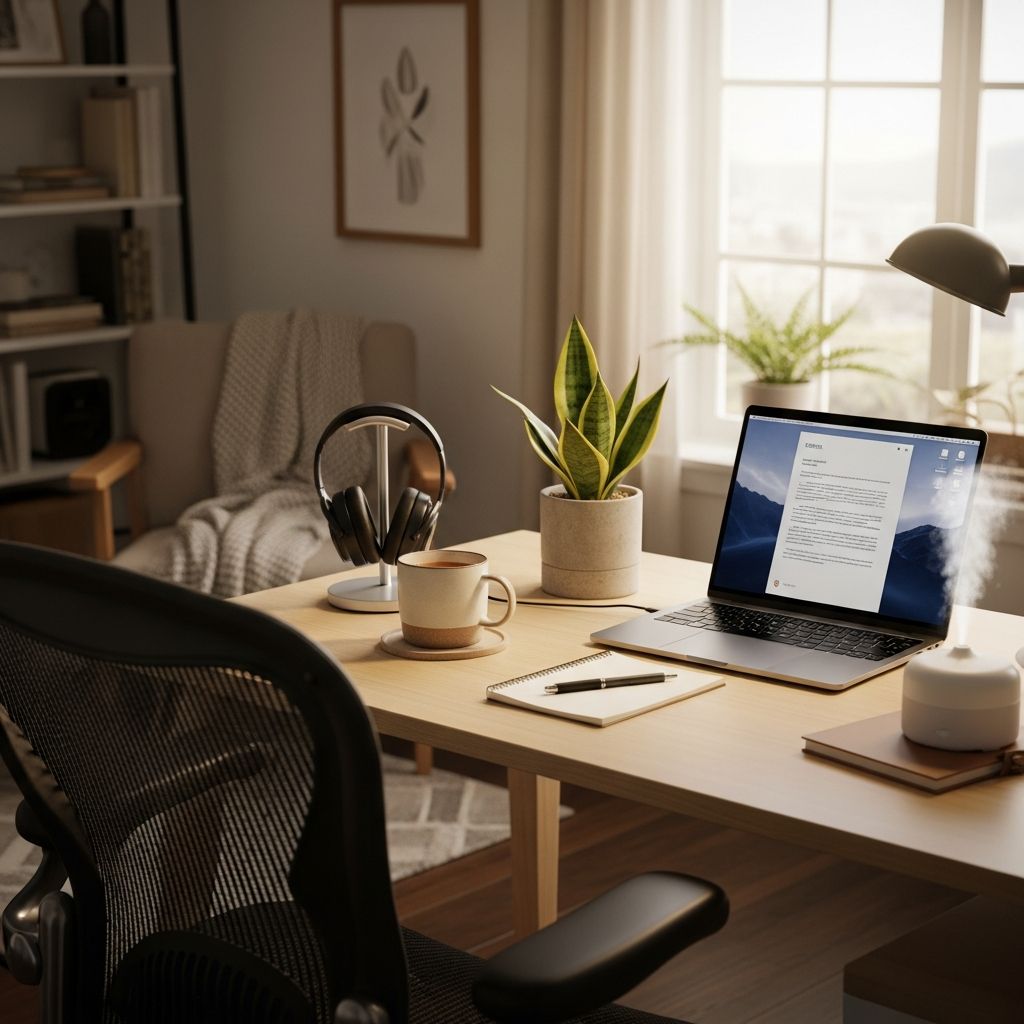
Remote work has become a cornerstone of modern professional life, offering flexibility but also unique challenges like isolation, blurred boundaries, and ergonomic pitfalls. This guide provides actionable strategies to help you build a sustainable home office environment that supports both your output and mental health. Drawing from expert recommendations, these tips cover everything from physical setup to psychological resilience.
Building an Ergonomic and Inspiring Workspace
Your physical environment profoundly influences focus and comfort during long work hours. Start by selecting a dedicated area solely for professional tasks, away from relaxation zones like the bedroom or couch. This mental separation signals to your brain that it’s time to switch into work mode.
Invest in furniture that promotes good posture. An adjustable desk at elbow height prevents neck strain, while a supportive chair with lumbar padding reduces back pain risks. If budget constraints apply, use cushions for back support or a footrest box to maintain 90-degree elbow angles. Natural light, plants, and motivational quotes can transform a bland corner into an energizing hub.
| Ergonomic Element | Recommendation | Benefit |
|---|---|---|
| Desk Height | Elbows at 90 degrees | Reduces strain on neck and shoulders |
| Chair Support | Lumbar pillow or mesh back | Prevents lower back pain |
| Lighting | Natural + adjustable lamp | Minimizes eye fatigue |
| Accessories | Plants, water bottle | Boosts mood and hydration |
Keep the space tidy to foster a clear mind. A clutter-free desk minimizes distractions and enhances efficiency. Schedule weekly resets to maintain this order.
Establishing a Consistent Daily Routine
Without the structure of an office commute, days can blur into chaos. Counter this by mimicking a traditional schedule: wake up at a fixed time, follow a morning ritual like coffee with a podcast or light exercise, and dress in comfortable yet professional attire. This ritual primes your mindset for productivity.
- Wake early and incorporate self-care: stretch, journal, or walk the dog.
- Block time in your calendar for deep work, meetings, and buffers.
- End the day with a shutdown ritual: review accomplishments, plan tomorrow, and physically step away.
Time blocking—allocating specific slots for tasks—helps manage workload realistically. Share your calendar with colleagues to align expectations and reduce interruptions.
Prioritizing Nutrition, Hydration, and Movement
Fuel your body to sustain mental sharpness. Prep meals weekly for balanced lunches rich in proteins and veggies, avoiding the trap of constant snacking. Keep a reusable water bottle nearby; aim for 8 glasses daily to combat fatigue.
Integrate movement: stand hourly for stretches targeting tight muscles in the neck, shoulders, and hips. Short walks outside recharge energy and provide vitamin D. During lunch, eat mindfully outdoors or join a virtual colleague chat.
- Meal ideas: Quinoa salads, veggie stir-fries, or overnight oats.
- Break activities: 5-minute breathing exercises, yoga flows, or quick jogs.
Deep breathing—inhale for 4 counts, hold 4, exhale 4—activates relaxation responses, countering stress-induced shallow breaths.
Mastering Focus and Managing Distractions
A home office tempts with endless diversions. Combat this by silencing non-essential notifications, using app timers for social media, and designating ‘do not disturb’ periods. Tools like focus modes on devices or simple timers enforce deep work sessions.
Create daily to-do lists the evening prior, prioritizing 3-5 must-dos. Track time with apps to analyze patterns and refine habits. Tidy your digital desktop as rigorously as the physical one.
Schedule around your peak energy: mornings for creative tasks, afternoons for routine ones. Regular 15-30 minute breaks every hour prevent burnout and improve output quality.
Setting Firm Boundaries for Work-Life Balance
Blurred lines lead to exhaustion. Define core hours, say 9 AM-5 PM, and mute emails outside them. Communicate availability to your team. At day’s end, close your laptop, walk away, and engage in non-work activities like reading or hobbies.
Protect one full day weekly for recharge—no work thoughts. Jot ideas on a notepad instead of diving back in. This preserves sanity and sparks creativity.
Fostering Connections to Combat Isolation
Remote work can feel lonely. Prioritize video calls for meetings to capture non-verbal cues and build rapport. Schedule casual check-ins, virtual coffees, or team walks.
Face-to-face digital interactions—even brief smiles—strengthen community. Balance with solo reflection but lean on colleagues for support during high stress.
Long-Term Strategies for Sustainable Remote Success
Beyond daily tactics, plan ahead: upgrade equipment quarterly, audit routines monthly, and seek feedback from peers. Monitor mental health with journals tracking mood and energy.
Consider hybrid models if possible, blending home and office days. Invest in wellness: noise-cancelling headphones for focus, standing mats for variety.
Frequently Asked Questions (FAQs)
What if I lack space for a dedicated office?
Use a foldable desk or screen divider to create a zone. Consistency in using it for work only builds the mental association.
How do I handle family interruptions?
Communicate your schedule visually with signs or shared calendars. Involve family in boundary-setting for mutual respect.
What’s the best way to end the workday?
A shutdown routine: list tomorrow’s tasks, tidy desk, stretch, and transition to personal time like a walk or hobby.
Can I work in pajamas?
While comfortable, changing into work attire signals focus and boosts confidence via the ‘enclothed cognition’ effect.
How often should I take breaks?
Every 60-90 minutes for 5-10 minutes, plus a full lunch hour to sustain energy and prevent fatigue.
Implementing these strategies transforms your home office from a potential stressor into a productivity powerhouse. Consistency yields compounding benefits for health and output.
References
- Tips to Stay Mentally Well While Working From Home — Active Minds. 2023-05-15. https://activeminds.org/blog/tips-to-stay-mentally-well-while-working-from-home/
- 15 Tips to Optimize Your Home Office Setup — UTC Blogs. 2022-10-11. https://blog.utc.edu/business/2022/10/11/15-tips-to-optimize-your-home-office-setup/
- Home Office Stress Burning You Out? Six Tips to Reclaim your Sanity — Fentress Architects Blog. 2023-01-20. https://blog.fentress.com/blog/is-work-stress-burning-you-out-six-tips-to-reclaim-your-sanity
- 5 Ways to Stay Sane While Working from Home — Poised and Professional. 2019-06-01. https://poisedandprofessional.com/2019/06/5-ways-to-stay-sane-while-working-from-home/
- Top 30 Tips for Staying Productive and Sane While Working From Home — Zen Habits. 2020-03-12. https://zenhabits.net/top-30-tips-for-staying-productive-and-sane-while-working-from-home/
- 6 tips to tackle working from home — NHS Every Mind Matters. 2024-02-28. https://www.nhs.uk/every-mind-matters/mental-wellbeing-tips/simple-tips-to-tackle-working-from-home/
- 12 Tips for a Wildly Productive Home Office — LivePlan Blog. 2023-07-10. https://www.liveplan.com/blog/managing/12-tips-for-a-wildly-productive-home-office
Similar Articles








Read full bio of Sneha Tete




