
Thanksgiving Food Safety: Essential Rules For Safe Hosting Tips
Master Thanksgiving with key food laws on safety, etiquette, and preparation for a flawless holiday feast.
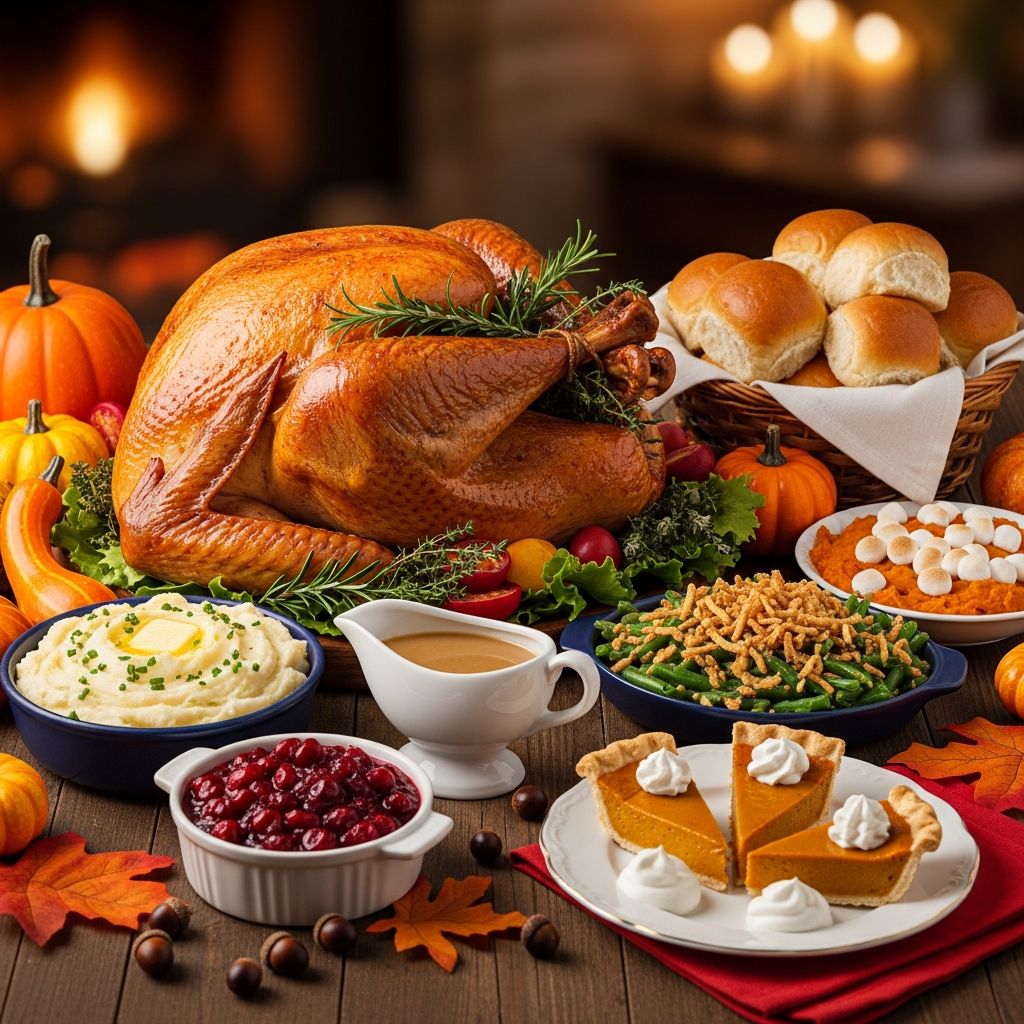
Thanksgiving brings families together around tables laden with traditional dishes, but beneath the warmth and gratitude lie important guidelines governing food preparation, serving, and consumption. These rules, drawn from health authorities and cultural norms, help prevent illness, promote harmony, and elevate the holiday experience. Understanding them ensures your gathering is both safe and enjoyable.
Core Principles of Safe Food Handling
Foodborne illnesses can turn a festive meal into a health crisis, making safety the foundation of any successful Thanksgiving. Government agencies emphasize proper techniques to combat pathogens like Salmonella and Campylobacter commonly found in poultry.
- Always thaw turkeys in the refrigerator, allowing 24 hours per five pounds, or use cold water changes every 30 minutes, or the microwave for smaller birds.
- Never rinse raw turkey, as this spreads bacteria via splashing; pat dry instead and cook thoroughly to 165°F internal temperature.
- Maintain clean surfaces by washing hands, utensils, and cutting boards between raw meat and ready-to-eat foods.
These steps, recommended by the USDA, minimize risks during high-volume cooking. For buffet-style service, keep hot foods above 140°F using chafing dishes or slow cookers, and cold items below 40°F in ice baths.
Mastering Turkey Preparation and Cooking
The turkey remains the centerpiece, demanding precision to achieve juicy results without hazards. Plan ahead: select a fresh or fully thawed bird and avoid overstuffing, which prolongs cooking and fosters bacterial growth.
| Method | Time per Pound | Safety Notes |
|---|---|---|
| Refrigerator Thaw | 24 hours / 5 lbs | Safest; keeps consistent temperature below 40°F |
| Cold Water | 30 min / lb | Change water every 30 min; submerge fully |
| Microwave | Varies by wattage | Cook immediately after thawing |
Use a food thermometer in the thickest part of the thigh, ensuring no touch to bone. Resting the bird for 20-30 minutes post-roasting allows juices to redistribute while staying out of the temperature danger zone no longer than two hours. Brining enhances flavor but requires extra refrigeration space.
Storage and Leftover Management Strategies
Post-meal abundance leads to leftovers, but improper storage invites spoilage. Refrigerate within two hours of serving; discard any food left out longer to avoid bacterial proliferation.
- Carve turkey off the bone promptly and store in shallow containers for quick cooling.
- Leftovers remain safe in the fridge for four days; freeze for up to four months for optimal quality, though safe beyond.
- Avoid outdoor storage, even in cold weather, due to animal access and temperature fluctuations that can push food into the 40-140°F danger zone.
Texas A&M experts suggest creative repurposing like turkey tacos or salads, substituting turkey for chicken in recipes, extending enjoyment safely. Use airtight containers or freezer bags, labeling with dates.
Hosting Etiquette for Seamless Gatherings
Beyond safety, etiquette rules foster peace in busy kitchens. Hosts set the tone by delegating tasks thoughtfully, while guests respect boundaries.
Key hosting practices include:
- Start beverages upon arrival to ease tensions, offering options like wine, beer, cider for kids, and non-alcoholic choices.
- Pre-approve guest contributions to avoid clashing flavors; traditional sides complement the menu best.
- Communicate timelines clearly—no early arrivals or to-go plates before grace.
Delegate without micromanaging: assign pie-baking or table-setting to lighten your load. Guests should RSVP promptly and offer help, bringing classics like pie and liquor as ideal gifts.
Essential Sides and Sauces: Flavor Foundations
Thanksgiving’s magic lies in balanced plates where sides and sauces unify flavors. Cranberry sauce provides tart brightness, enhancing turkey and potatoes, while gravy binds everything, rescuing drier elements.
Mashed potatoes demand simplicity: butter, milk, salt—no garlic or herbs that overpower the bird. Opt for unsalted butter (at least two pounds) to control seasoning.
- Prep cranberries fresh for vibrancy; homemade beats canned.
- Gravy from pan drippings ensures depth; stock builds volume.
- Stuffing variations abound, but cornbread styles evoke tradition.
These elements, executed plainly, celebrate the holiday’s essence without innovation.
Dessert Traditions and Pitfalls to Avoid
Desserts cap the feast simply: focus on pies like pumpkin or apple with whipped cream, shunning experiments like tartlets or chocolate. Proper execution showcases American classics, needing no embellishment.
Encourage potluck desserts pre-approved by the host. Guests contribute meaningfully, pairing pies with quality liquors.
Table Manners and Guest Conduct
At the table, etiquette ensures graciousness. Use utensils from outside in, avoid eating directly from shared plates, and engage others about their lives.
- Mind portions in communal serving to leave ample for all.
- Express thanks verbally and aid cleanup post-meal.
- Follow host cues on seconds and timing.
Post-dinner, handwritten thank-yous reinforce bonds. These habits keep gatherings grateful and orderly.
Frequently Asked Questions (FAQs)
Q: How long can Thanksgiving leftovers safely stay in the fridge?
A: Up to four days; freeze sooner for best quality, safe beyond four months.
Q: Should I wash my turkey before cooking?
A: No, it spreads bacteria; cook to 165°F instead.
Q: What’s the best way to thaw a turkey?
A: Refrigerator method: 24 hours per five pounds for safety.
Q: Can I store leftovers outside if it’s cold?
A: No, risks animal contamination and temperature swings.
Q: What should guests bring to Thanksgiving?
A: Pre-approved dishes like pie and wine; offer help.
Advanced Tips for Large Gatherings
For bigger crowds, scale safely: multiple thermometers, extra coolers for chilling, and staggered serving to maintain temperatures. Potluck success hinges on coordination—create a shared menu doc. Track allergies discreetly, offering alternatives.
Butter generously across dishes; its richness defines indulgence. Tradition anchors: turkey central, classics reliable.
These rules blend safety from USDA protocols, inspiration from culinary guides, and etiquette wisdom, crafting perfect Thanksgivings. Apply them for worry-free hosting.
References
- 10 Laws of Thanksgiving Dinner — Dinner: A Love Story. Accessed 2023. https://www.dinneralovestory.com/10-laws-of-thanksgiving-dinner/
- A Food Safety Guide To Thanksgiving Leftovers — Texas A&M Stories. 2023-11-21. https://stories.tamu.edu/news/2023/11/21/a-food-safety-guide-to-thanksgiving-leftovers/
- USDA’s Five Tips for a Food Safe Thanksgiving — USDA. 2016-11-21. https://www.usda.gov/about-usda/news/press-releases/2016/11/21/usdas-five-tips-food-safe-thanksgiving
- The Thanksgiving Rules: How to Keep Peace With the Cook — Message Magazine. Accessed 2023. https://www.messagemagazine.com/articles/the-thanksgiving-rules-how-to-keep-peace-with-the-cook/
- Five Do’s and Don’ts of Thanksgiving Dinner — YouTube (Grounds & Hounds Coffee Co.). Accessed 2023. https://www.youtube.com/watch?v=t-zWMxpO7cM
- Thanksgiving Etiquette 101: Five Golden Rules — Royal Examiner. Accessed 2023. https://royalexaminer.com/thanksgiving-etiquette-101-five-golden-rules-for-a-grateful-gathering/
Similar Articles








Read full bio of medha deb




