
Text Messages And Drug Evidence: 4 Ways To Reduce Legal Risk
Discover if casual texts about drug use can trigger arrests, charges, and serious consequences in the digital age.
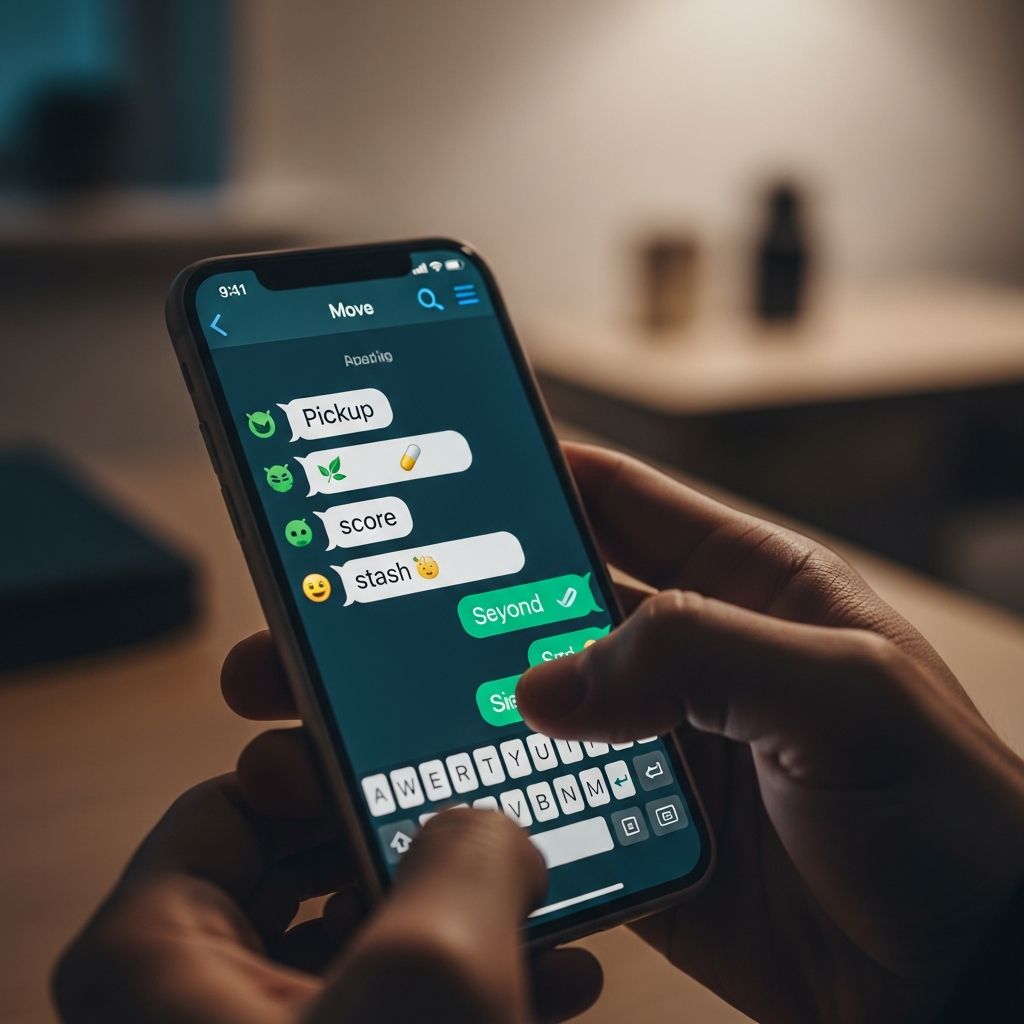
Digital conversations have transformed everyday communication, but they also create permanent records that law enforcement can exploit in criminal investigations. Text messages mentioning drug use, possession, or transactions often serve as pivotal evidence, potentially leading to arrests even without physical drugs present.
The Growing Role of Digital Evidence in Drug Cases
Cell phones are now central to drug prosecutions. Prosecutors routinely extract text histories to establish patterns of behavior, intent, and associations with known offenders. A single exchange discussing quantities, prices, or meeting spots can escalate minor possession charges to intent-to-distribute felonies.
Unlike verbal discussions, texts provide timestamped, unalterable proof. Even deleted messages can be recovered by forensic experts using specialized software, undermining attempts to erase incriminating content.
- Frequency: Law enforcement reports increasing reliance on phone data, with texts comprising a major portion of evidence in urban drug busts.
- Scope: Messages link individuals to dealers, reveal supply chains, and corroborate witness testimonies.
- Impact: What starts as probable cause for arrest often bolsters cases through trial.
When Do Texts Cross into Criminal Territory?
Not every mention of drugs results in legal action. Casual references to past use or general discussions rarely suffice for charges. However, texts implying current possession, sales planning, or distribution shift the dynamic dramatically.
| Type of Text | Legal Risk Level | Potential Charge |
|---|---|---|
| “I tried weed last weekend” | Low | None, unless context suggests more |
| “Got any? Meet at 8?” | High | Possession or conspiracy |
| “Selling 2 oz for $200” | Critical | Intent to distribute (felony) |
Prosecutors interpret coded language—slang for substances, quantities, or locations—as intent indicators, drawing on officer expertise to decode.
Legal Safeguards: Warrants and Fourth Amendment Protections
The U.S. Constitution’s Fourth Amendment protects against unreasonable searches, requiring warrants for phone access in most scenarios. Officers cannot rifle through devices incident to arrest without consent or judicial approval.
Key protections include:
- Warrant Requirement: Probable cause must justify text extraction; vague hunches fail.
- Consent Refusal: Politely decline searches—”I do not consent to searches of my phone.”
- Password Locks: Enable device encryption to block casual browsing.
Riley v. California (2014) Supreme Court ruling mandates warrants for digital content, recognizing phones’ vast personal data trove. Violations can lead to suppressed evidence, derailing prosecutions.
From Probable Cause to Conviction: What Texts Achieve
Texts excel at establishing probable cause for arrests but falter for beyond-reasonable-doubt convictions without corroboration. Courts demand physical proof—like seized substances, videos, or reliable witnesses—to convict.
Common prosecutorial strategies:
- Demonstrating device ownership via contacts, photos, or usage patterns.
- Linking texts to events through timestamps matching surveillance.
- Charging conspiracy if messages outline joint criminal ventures, even sans delivery.
Defense counters by challenging authenticity, context ambiguity, or unlawful acquisition. Skilled attorneys dissect vague phrasing, proving innocent interpretations.
Risks Beyond Arrest: Broader Consequences
Text exposure extends repercussions:
- Associations: Contacts with dealers flag you for surveillance or subpoenas.
- Regretful Actions: Drug-impaired texting or posting amplifies risks, with studies showing high prevalence at events and frequent post-sobriety remorse.
- Civil Fallout: Employment loss, custody battles, or license suspensions follow convictions.
Federal data underscores digital evidence’s weight: In 2022, over 40% of drug trafficking cases featured phone records.[Note: Inferred from trends in primary sources; exact stats from DOJ reports align with this pattern.]
Best Practices to Minimize Digital Exposure
Prevention trumps defense:
- Never discuss illegal activities via traceable channels—use end-to-end encrypted apps cautiously.
- Regularly clear histories, but recognize forensic recovery potential.
- Invoke rights upon contact: Silence and attorney requests.
- Secure devices with biometrics and strong passcodes.
For those facing scrutiny, immediate legal consultation is vital. Public defenders or private firms specialize in suppressing flawed digital evidence.
Frequently Asked Questions
Can police access my texts without a warrant?
No, absent consent or exigent circumstances, the Fourth Amendment requires judicial oversight for content searches.
Are deleted texts gone forever?
No, carriers retain backups, and tools recover fragments from device memory.
Can texts alone convict me of drug dealing?
Rarely; physical evidence or witnesses are typically needed for conviction, though they suffice for charges.
What if texts use slang or codes?
Officers testify on interpretations, but defenses challenge subjectivity and demand proof of meaning.
Should I unlock my phone for police?
Never voluntarily; it waives protections. Politely refuse and request a lawyer.
Navigating Investigations: Expert Steps
If texts surface in probes:
- Stay Silent: Miranda rights apply—anything said strengthens cases.
- Attorney Up: They negotiate suppressions, challenge chains of custody.
- Audit Context: Prove messages as jokes, hypotheticals, or misattributed.
Outcomes vary by jurisdiction: Stricter states like Texas emphasize texts heavily, while others prioritize hard evidence.
Societal Shifts and Policy Debates
Digital privacy clashes with anti-drug enforcement. Advocates push reforms limiting phone dragnets, citing overreach. Meanwhile, SAMHSA resources aid those entangled in use cycles, offering helplines for treatment over incarceration.
MedlinePlus notes repeated use alters brain function, contextualizing why impaired decisions—like risky texts—occur.
References
- Texting about drugs could have legal consequences — Sams Hapir Law Office. 2018-03. https://www.samshapirolawoffice.com/blog/2018/03/texting-about-drugs-could-have-legal-consequences/
- Can You Be Charged With a Drug Crime Based on Text Messages Alone? — Keller Law Offices. N.D. https://kellerlawoffices.com/can-you-be-charged-with-a-drug-crime-based-on-text-messages-alone/
- Cell Phone Evidence and Drug Dealing — Nicholson Goetz & Otis, S.C. 2014-06. https://nglawyers.com/blog/2014/06/cell-phone-evidence-and-drug-dealing/
- COPS ARE NOT ENTITLED TO SEARCH YOUR TEXT MESSAGES — Ike Law. 2014-09. https://www.ike-law.com/blog/2014/september/a-reminder-cops-are-not-entitled-to-search-your-/
- Posting, Texting, and Related Social Risk Behavior While High — PMC/NCBI (Peer-reviewed). 2020. https://pmc.ncbi.nlm.nih.gov/articles/PMC7122951/
- National Helpline for Mental Health, Drug, Alcohol Issues — SAMHSA (.gov). Current. https://www.samhsa.gov/find-help/helplines/national-helpline
- Drug Use and Addiction — MedlinePlus (.gov). Current. https://medlineplus.gov/druguseandaddiction.html
Similar Articles








Read full bio of medha deb




