
Navigating Rental Repairs: Tenant Rights and Remedies
Learn your legal options when landlords delay or refuse necessary repairs to your rental unit.
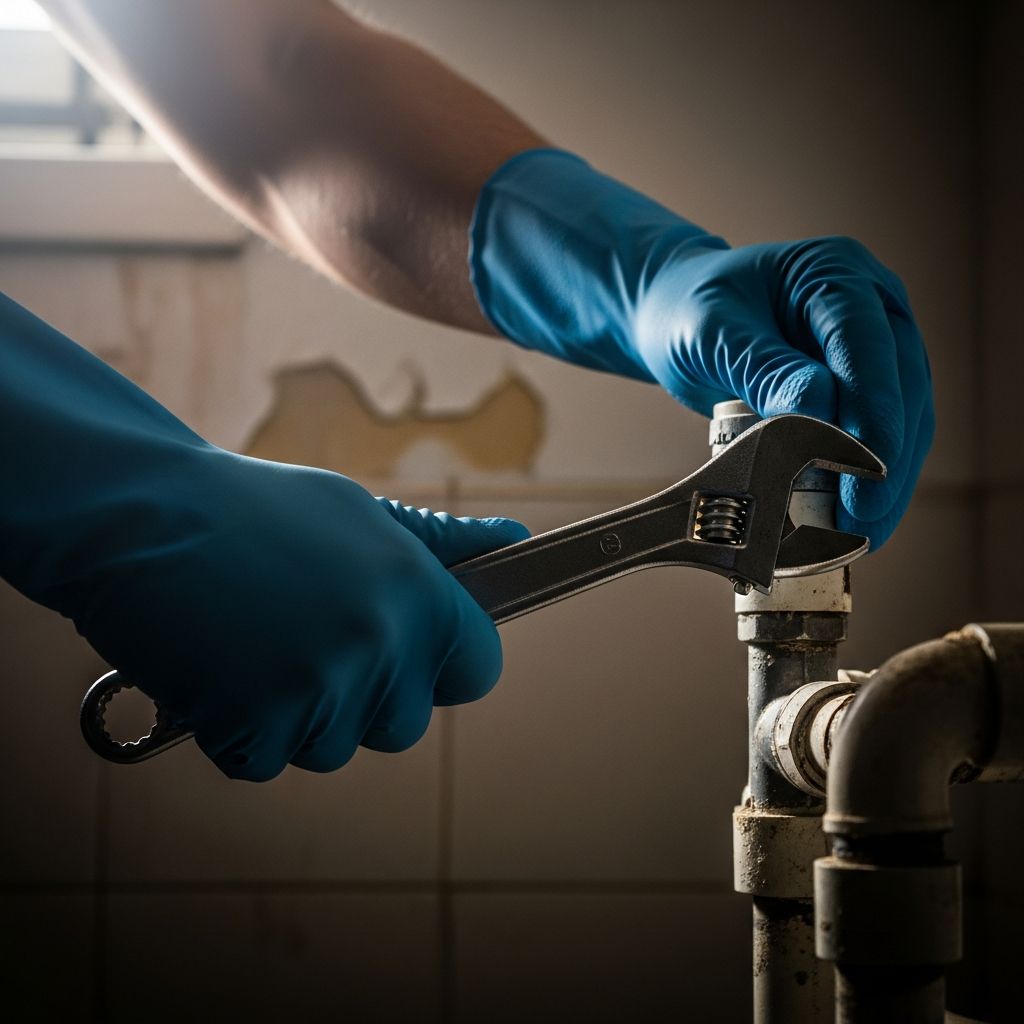
Understanding Your Rights When Landlords Neglect Property Maintenance
Renting a home comes with an expectation that the property will remain in habitable condition. Most jurisdictions recognize the warranty of habitability, which requires landlords to maintain rental units with essential utilities, structural integrity, and safety features. When landlords fail to address necessary repairs, tenants often feel powerless and frustrated. However, the law provides several avenues through which tenants can compel their landlords to fulfill maintenance obligations and restore their living spaces to acceptable standards.
The key to successfully addressing repair issues lies in understanding your specific rights, following proper procedures, and documenting every step of the process. Different states and municipalities offer varying remedies, ranging from administrative complaints to financial leverage and legal action. By learning how to navigate these systems effectively, tenants can protect their homes and hold landlords accountable without jeopardizing their tenancy or facing retaliation.
The Foundation: Establishing a Paper Trail Through Written Communication
The most critical first step when facing repair issues is to communicate your concerns in writing. Whether through formal letters, emails, or text messages, written requests create an official record that demonstrates you have notified your landlord about the problem. This documentation becomes invaluable if disputes arise later and can significantly increase the likelihood that your landlord will take your request seriously.
When crafting your written request, include specific details about the repair needed. Describe exactly what is broken, where it is located within the unit, and explain why it requires attention. If the issue affects your health, safety, or the unit’s basic functionality—such as heating, plumbing, electrical systems, or pest infestation—explicitly state these consequences in your communication. This elevates the urgency and clarifies that the repair is not merely a cosmetic preference but a legitimate maintenance concern.
Best Practices for Written Repair Requests
- Use multiple communication methods to reach your landlord, including certified mail, email, and text messages
- Include the date of your request and maintain copies of everything you send
- Be specific about the nature and location of the problem rather than using vague language
- Reference any applicable lease clauses or local housing codes that require maintenance
- State a reasonable timeframe for completing the repair based on the severity of the issue
- If your landlord responds verbally, follow up with a written summary of what was promised
- Keep all documentation organized chronologically in case you need to reference it later
Many tenants make the mistake of accepting verbal promises from their landlords. While well-intentioned landlords might genuinely plan to make repairs, verbal agreements leave no record and become impossible to enforce if circumstances change. By requiring written confirmation or by documenting verbal agreements in writing yourself, you create an undeniable record of the landlord’s acknowledgment of the problem and their commitment to fix it.
Mobilizing Collective Action: The Power of Coordinated Tenant Advocacy
If your individual requests go unanswered, consider whether other tenants in your building are experiencing similar issues. Many property owners are unresponsive across the board, affecting multiple units simultaneously. When problems are property-wide or affect common areas, collective tenant action can be remarkably effective in motivating landlords to take action.
Organizing with other tenants demonstrates that the repair issue is not isolated or exaggerated but rather a systemic problem affecting the property’s overall habitability. Landlords are more likely to prioritize repairs when they realize that multiple tenants are dissatisfied and may face legal consequences or regulatory action. Additionally, joint requests carry more weight than individual complaints, as they suggest that tenant dissatisfaction is widespread rather than the complaint of a single difficult resident.
Strategies for Effective Tenant Coordination
- Connect informally with neighbors to identify shared maintenance concerns
- Organize a group meeting to discuss the issues and determine shared priorities
- Draft a collaborative written request signed by multiple tenants stating the repairs needed
- Establish regular communication channels among tenants to track the landlord’s response
- Consider forming a tenant association if ongoing maintenance problems persist
- Document which tenants participated in the request to demonstrate community consensus
- Present the request to the landlord in a professional but firm manner
When approaching your landlord collectively, maintain a respectful but assertive tone. Clearly communicate that multiple residents have identified serious maintenance issues requiring immediate attention. This approach often succeeds because landlords understand that they face greater liability and potential regulatory scrutiny when numerous tenants report problems. The united front also makes it harder for landlords to dismiss complaints as the grievances of particular troublesome residents.
Invoking Regulatory Authority: Municipal Code Inspections and Housing Agencies
When direct communication and tenant coordination fail to produce results, regulatory agencies become your allies. Most municipalities maintain housing or building inspection departments responsible for enforcing local housing codes. These agencies have the authority to conduct inspections, cite violations, and compel landlords to correct deficiencies. Requesting an official inspection creates external pressure on landlords by introducing a government entity into the situation.
Before calling for an inspection, ensure that you have documented your repair requests in writing and given your landlord a reasonable opportunity to respond. Inspectors typically expect to see evidence that tenants have attempted to work with their landlords before escalating the matter. Additionally, having this documentation ready will help the inspector understand the timeline and severity of the issue.
How to Request a Building or Housing Inspection
- Contact your local building or housing inspection office by phone or online
- Provide specific details about the code violations and safety concerns
- Explain that you have made written requests to your landlord without resolution
- Allow inspectors access to your unit during convenient times
- Provide copies of your written repair requests to demonstrate the timeline
- Take photographs or videos of the issues before and after the inspection
- Request a copy of the inspection report for your records
Inspections serve multiple purposes beyond simply compelling repairs. The official inspection report creates an authoritative documentation of code violations, which can later support legal action if needed. Additionally, landlords who repeatedly receive complaints and fail to address violations may face fines, loss of rental licenses, or other regulatory consequences. This threat of penalties often motivates prompt compliance.
Financial Leverage Strategies: Repair-and-Deduct and Rent Withholding
When traditional approaches fail, tenants in many jurisdictions have the right to take financial action. These remedies give tenants concrete leverage by making repair inaction more costly than simply completing the work. However, these strategies must be pursued carefully and in accordance with local laws, as improper implementation could result in eviction notices.
The Repair-and-Deduct Remedy
In jurisdictions permitting repair-and-deduct, tenants may hire a qualified contractor to fix necessary repairs and subtract the cost from their next rent payment. This option is particularly useful for urgent issues that affect habitability, such as heating failures or plumbing leaks. The repair-and-deduct remedy provides tenants with immediate relief while creating financial consequences for landlord negligence.
To properly invoke repair-and-deduct rights, follow these guidelines:
- Obtain written authorization from your landlord or document that your repair requests were refused
- Give notice to your landlord that you intend to make repairs and deduct costs
- Hire a licensed, reputable contractor with insurance and bonding
- Obtain multiple estimates and choose a reasonably priced option
- Keep all receipts, invoices, and documentation of the work completed
- Deduct only the actual, reasonable cost of necessary repairs from rent
- Pay the remaining rent obligation on time to avoid eviction claims
Rent Withholding and Escrow Accounts
Some jurisdictions allow tenants to withhold rent or place it in an escrow account when landlords fail to maintain habitability standards. This remedy provides leverage while demonstrating that you intend to pay rent and are not attempting to avoid the obligation. Rent withheld in escrow is held by a neutral third party until repairs are completed, at which point the funds are released to the landlord.
Rent withholding must be exercised with caution, as improper implementation could provide grounds for eviction. Before withholding rent, verify that your state or locality permits this remedy and understand the specific procedures required. Typically, tenants must provide written notice to their landlord before withholding and may need to file documentation with a court or housing agency. The defect must also be serious enough to substantially affect habitability—minor maintenance issues do not justify rent withholding.
Breaking Free: Lease Termination Rights
In situations where repair defects are severe and make the unit substantially uninhabitable, many jurisdictions permit tenants to terminate their lease early without penalty. This remedy acknowledges that when landlords fail to maintain basic habitability standards, the rental agreement is fundamentally breached, and tenants should not be bound by its terms.
To exercise lease termination rights based on repair issues, tenants typically must:
- Document serious defects affecting habitability such as lack of heat, water, or electricity
- Provide written notice to the landlord identifying the issues and demanding repair within a specified timeframe
- Allow the landlord the opportunity to make repairs if they choose
- Provide formal notice of lease termination if repairs are not completed
- Vacate the property according to notice requirements and properly return all keys and access devices
Lease termination should be viewed as a last resort, as it requires you to find alternative housing. However, in cases where living conditions are genuinely dangerous or uninhabitable, termination may be the most practical solution. Before terminating a lease, consult local housing laws or seek legal advice to ensure you are following proper procedures and protecting yourself from potential claims of wrongful lease termination.
Legal Action: Small Claims Court and Formal Lawsuits
When all other remedies have been exhausted, tenants can pursue legal action against their landlords for breach of the warranty of habitability, breach of contract, or violations of housing codes. Small claims court provides an accessible avenue for pursuing claims within certain monetary limits, typically ranging from five hundred to ten thousand dollars depending on the jurisdiction.
Before filing a lawsuit, send your landlord a final demand letter clearly stating what repairs are needed and the consequences of continued non-compliance. This letter demonstrates good faith and provides one final opportunity for the landlord to address the issues voluntarily. If the landlord does not respond or refuses to comply, proceed with filing in small claims court.
Preparing for Small Claims Court
- Organize all documentation including written repair requests, photographs, inspection reports, and correspondence
- Calculate the actual damages suffered, including costs for repairs, temporary housing, or medical expenses related to the defect
- Prepare a clear timeline showing when issues began and what steps you took to resolve them
- Gather witness statements from other tenants who experienced similar problems
- File the claim within your local court’s time limits and procedural requirements
- Serve the landlord with notice according to court procedures
- Present your case clearly and professionally during the court hearing
Small claims court judgments can order landlords to pay damages or compel repairs. Even if monetary damages seem modest, the threat of legal judgment often motivates landlords to make repairs and avoid future lawsuits. Many landlords, once faced with a money judgment, will finally complete the necessary work to prevent additional litigation.
Frequently Asked Questions
Q: How long must I wait before taking action if my landlord hasn’t made repairs?
A: This depends on the urgency and your local laws. Emergency repairs affecting habitability may require action within days, while non-urgent repairs might warrant a longer timeframe. Typically, allowing fourteen to thirty days for initial landlord response is reasonable before escalating to regulatory agencies or legal action.
Q: Can my landlord retaliate against me for requesting repairs?
A: No. Most jurisdictions prohibit landlord retaliation against tenants who exercise legal rights, including requesting repairs, filing complaints with housing agencies, or joining tenant organizations. Retaliation can include threats of eviction, rent increases, or reduced services. If retaliation occurs, tenants typically have legal remedies available.
Q: Should I hire a lawyer for repair disputes?
A: For small claims court cases, many tenants successfully represent themselves using the documentation they have gathered. However, for complex situations involving multiple serious defects or major financial stakes, consulting an attorney can help ensure you pursue the strongest available remedies and understand your jurisdiction’s specific requirements.
Q: What if I make repairs myself without hiring a contractor?
A: While some jurisdictions allow tenant repairs, using licensed professionals is strongly recommended. Professional work ensures quality standards, proper permits, and insurance coverage. Attempting repairs yourself may result in improper corrections that don’t actually resolve the underlying issue, potentially leading to disputes about whether the repair obligation was satisfied.
Q: Can I withhold rent in any situation where repairs are needed?
A: No. Rent withholding is only permitted for serious defects substantially affecting habitability. Minor repairs or cosmetic issues do not justify withholding rent. Additionally, improper rent withholding can provide grounds for eviction, so understand your local laws before attempting this remedy.
References
- Five Ways to Get a Landlord to Make Repairs — John’s Flaherty Blog. Accessed 2026-04-03. https://www.johnsflaherty.com/blog/five-ways-to-get-a-landlord-to-make-repairs
- What to Do If the Landlord Refuses Repairs: A Guide — Azibo. Accessed 2026-04-03. https://www.azibo.com/blog/what-to-do-if-the-landlord-refuses-repairs
- My Landlord Won’t Make Repairs. What Should I do? — HELP4TN Blog. Accessed 2026-04-03. https://www.help4tn.org/page/1492/my-landlord-wont-make-repairs-what-should-i-do-help4tn-blog
- What to Do When Your Landlord Won’t Make Major Repairs — Nolo. Accessed 2026-04-03. https://www.nolo.com/legal-encyclopedia/free-books/renters-rights-book/chapter7-5.html
- How Do I Get My Landlord To Fix My Residence in Iowa? — O’Flaherty Law. Accessed 2026-04-03. https://www.oflaherty-law.com/learn-about-law/how-do-i-get-my-landlord-to-fix-my-residence-in-iowa
- A Guide to Maintenance & Repairs for Renters — Home Inc. Accessed 2026-04-03. https://www.homeincdsm.org/post/a-guide-to-maintenance-repairs-for-renters
Similar Articles








Read full bio of Sneha Tete




