
Tattoos and Immigration Hurdles: Green Card Rejections
Discover how body art can derail U.S. green card dreams, real cases, legal battles, and strategies to overcome denials.
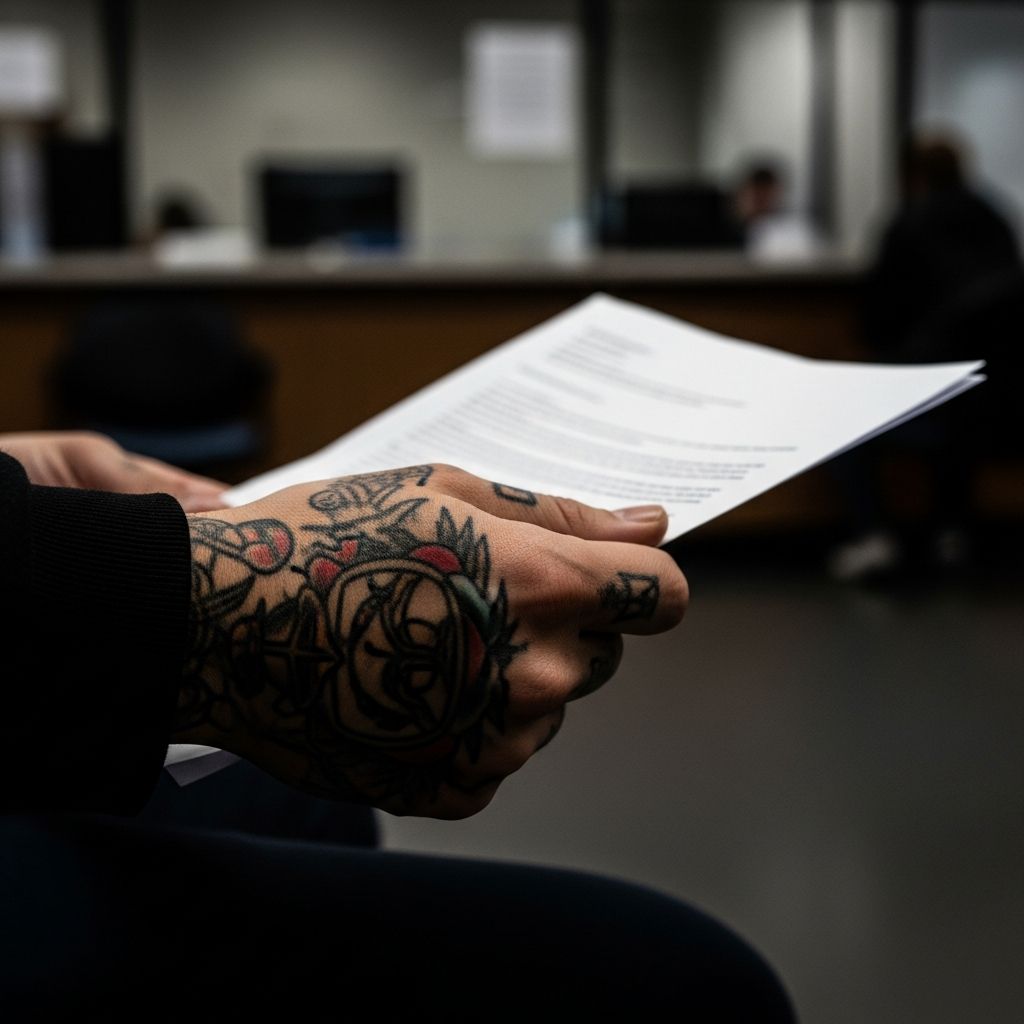
Body art, once a personal expression, now poses unexpected barriers in U.S. immigration processes. Tattoos perceived as gang-related symbols frequently result in green card denials, affecting thousands of applicants annually. This article delves into the reasons behind these decisions, landmark legal challenges, and practical advice for navigating the system.
The Rising Scrutiny of Tattoos in Visa Applications
U.S. immigration authorities, particularly consular officers abroad, conduct thorough examinations during visa interviews. Visible tattoos trigger heightened suspicion, especially those resembling symbols linked to transnational gangs like MS-13 or 18th Street. Officials rely on visual inspections, databases, and expert analyses to determine if ink indicates criminal ties.
Since the early 2010s, tattoo-related denials have surged amid crackdowns on gang activity. Consular staff are trained to identify specific motifs: skulls, crowns, three dots (‘mi vida loca’), or religious icons repurposed by gangs. Even benign designs, like dice or playing cards, can be misinterpreted without context.
Applicants from Central America, Mexico, and parts of Asia face disproportionate scrutiny due to regional gang prevalence. A single tattoo can shift an otherwise strong application into inadmissibility under INA Section 212(a)(2)(C), presuming gang membership and future unlawful conduct.
Understanding Inadmissibility Grounds Linked to Tattoos
The Immigration and Nationality Act (INA) empowers officers to deny entry if there’s ‘reasonable ground to believe’ an individual seeks to engage in illegal activities. Tattoos serve as visual evidence in this assessment, often without requiring criminal convictions.
Key factors in tattoo evaluations include:
- Location and Visibility: Tattoos on hands, neck, or face draw immediate red flags.
- Symbolism: Designs mimicking gang insignias, even if obtained innocently.
- Quantity: Extensive coverage suggests deeper involvement.
- Contextual Evidence: Combined with social media, neighborhood origins, or interview responses.
State Department guidelines instruct officers to document tattoos photographically and consult gang experts. This process lacks transparency, invoking consular nonreviewability—a doctrine shielding decisions from judicial oversight if deemed ‘facilely legitimate.’
High-Profile Case: The Muñoz-Acencio Battle
One pivotal case exemplifies the tattoo dilemma. In 2017, U.S. citizen Sandra Muñoz sued after her Salvadoran husband, Luis Acencio Cordero, was denied a green card. His tattoos—depicting La Virgen de Guadalupe, theater masks, dice, and ace cards—were flagged as MS-13 markers during a 2017 consular interview in San Salvador.
Despite no criminal record and Muñoz’s sponsorship, the visa was rejected citing likely unlawful engagement. The couple endured separation for years, with Acencio remaining in El Salvador. Their lawsuit challenged due process violations and spousal rights under the Constitution.
The 9th Circuit Court of Appeals ruled in their favor in 2022, piercing consular nonreviewability for the first time. It mandated procedural protections for U.S. citizens harmed by opaque denials. The Biden administration appealed, and by 2024, the Supreme Court weighed taking the case, highlighting national implications.
Other Notable Instances of Tattoo-Based Denials
Beyond Muñoz, numerous reports detail similar fates. A Berardi Immigration Law analysis notes tattoos alone rarely suffice for denial but amplify risks when paired with other indicators. Applicants from gang-heavy regions report routine body searches and photo mandates.
| Case Example | Tattoo Description | Outcome | Key Factor |
|---|---|---|---|
| Muñoz v. U.S. Dept. of State | Religious icons, dice, cards | 9th Circuit win; SCOTUS pending | MS-13 assumption |
| Anonymous Salvadoran Applicant | Three dots, skull | Denied; no appeal | Visible neck ink |
| Mexican Family Petitioner | Crown, horns | Overturned on waiver | Expert rebuttal |
These examples underscore patterns: misinterpretation of cultural tattoos as gang symbols leads to swift rejections, often without recourse.
Legal Doctrines at Play: Consular Nonreviewability Explained
Consular nonreviewability dates to 1950s precedents, barring courts from second-guessing visa refusals. Rooted in separation of powers, it presumes officer expertise. Exceptions emerge when decisions infringe constitutional rights, like a citizen’s marital liberty.
In tattoo cases, plaintiffs must prove harm and irrationality. The Muñoz ruling expanded this, requiring some rationale disclosure. Critics argue it invites abuse, as officers wield unchecked discretion.
Strategies to Mitigate Tattoo Risks in Applications
Proactive steps can counter assumptions:
- Pre-Interview Documentation: Compile affidavits explaining tattoo origins, with artist receipts or cultural attestations.
- Cover-Up Options: Laser removal or cosmetic concealment for visible areas.
- Expert Witnesses: Gang consultants to affirm non-affiliation.
- Waiver Requests: File Form I-601 for inadmissibility forgiveness, proving rehabilitation.
- Legal Counsel: Immigration attorneys versed in tattoo defenses.
Transparency during interviews—voluntarily discussing tattoos—can humanize the applicant and preempt suspicions.
Common Misconceptions About Tattoos and Immigration
Myths persist:
- Myth: All Tattoos Are Equal. Reality: Only gang-like ones matter; butterflies or names rarely trigger issues.
- Myth: Removal Guarantees Approval. Reality: Past photos or records can linger in databases.
- Myth: No Appeal Exists. Reality: Spousal cases offer litigation paths.
Broader Policy Shifts and Future Outlook
Post-2022 Muñoz decision, denials may decline as officers provide more reasoning. Yet, with Supreme Court review possible, clarity looms. Advocacy groups push for tattoo guidelines, emphasizing cultural sensitivity over blanket assumptions.
Statistics from USCIS reveal over 10,000 annual gang-related inadmissibilities, many tattoo-driven. Reforms could include standardized symbol databases and applicant rebuttal hearings.
Frequently Asked Questions (FAQs)
What tattoos cause the most immigration problems?
Gang-associated symbols like MS-13’s devil horns, three dots, or area codes. Cultural or religious tattoos get misread frequently.
Can I get a green card with tattoos?
Yes, if you prove no gang ties via evidence. Many succeed with proper preparation.
How do consular officers check tattoos?
They require clothing removal for photos and consult U.S. gang databases during interviews.
Is laser removal required for approval?
Not required but recommended for visible, problematic ink. Documentation of non-gang origin is key.
What if my green card is denied over tattoos?
Consult an attorney for waivers or lawsuits, especially if married to a U.S. citizen.
Expert Tips for Tattoo-Wearers Seeking Permanent Residency
1. Research symbols: Avoid new ink resembling gang motifs.
2. Build a defense file early.
3. Choose waiver-eligible categories.
4. Stay crime-free to bolster credibility.
In conclusion, while tattoos complicate green card paths, informed strategies and legal advocacy pave the way forward. Stay vigilant in an era where body art meets border control.
References
- Supreme Court might hear case of man denied green card over tattoos — Los Angeles Times. 2024-01-04. https://www.latimes.com/politics/story/2024-01-04/scotus-possible-case-tattooed-man-denied-green-card
- Will Your Tattoo Keep You Out of the U.S.? — Berardi Immigration Law. 2023-05-15. https://berardiimmigrationlaw.com/will-your-tattoo-keep-you-out-of-the-u-s/
- Immigration and Nationality Act, Section 212(a) — U.S. Department of State. 2024-01-01. https://www.uscis.gov/laws-and-policy/legislation/immigration-and-nationality-act
- Visa Ineligibility and Waiver Information — U.S. Department of State. 2025-03-20. https://travel.state.gov/content/travel/en/us-visas/visa-information-resources/visa-ineligibilities-waivers.html
- 9th Circuit Opinion: Muñoz v. U.S. Department of State — U.S. Court of Appeals for the Ninth Circuit. 2022-10-12. https://cdn.ca9.uscourts.gov/datastore/opinions/2022/10/12/20-55772.pdf
Similar Articles








Read full bio of medha deb




