
Key Elements of Swimming Pool Injury Claims
Uncover the essential factors determining success in swimming pool injury lawsuits, from negligence proof to compensation strategies.
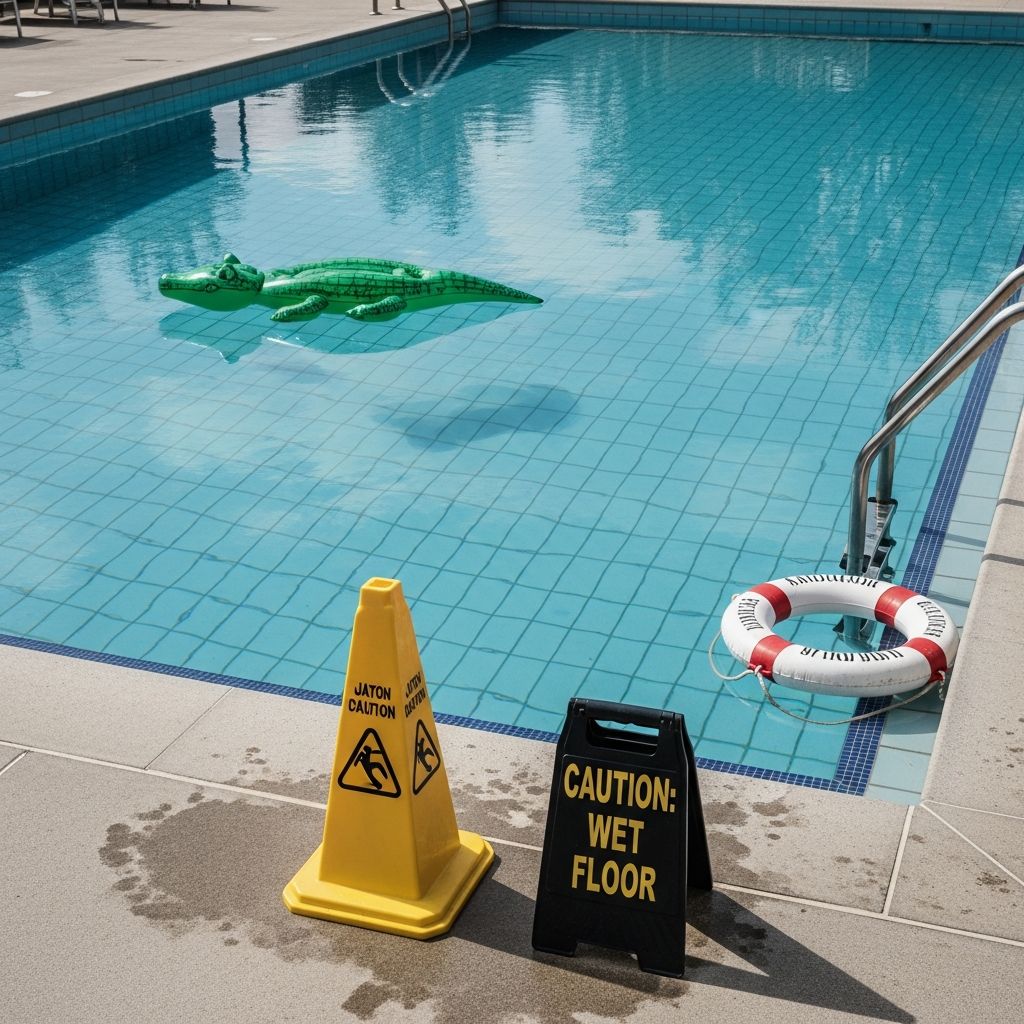
Swimming pool injuries can result in severe consequences, from minor slips to tragic drownings, often leading to legal claims under premises liability law. Property owners bear significant responsibility to maintain safe environments, and understanding the core components of these cases is crucial for victims seeking justice.
Understanding Premises Liability in Aquatic Settings
Premises liability forms the foundation of most swimming pool injury cases, holding those who control the property accountable for harms caused by unsafe conditions. Owners must exercise reasonable care to prevent foreseeable risks, a duty that applies to residential backyard pools, hotel facilities, and public recreation centers alike.
This principle requires proving that the owner knew or should have known about a hazard and failed to address it. For instance, slippery decks from poor drainage or broken gates allowing unauthorized access exemplify breaches of this duty. Courts evaluate the reasonableness of safety measures based on factors like pool location, expected visitors, injury foreseeability, and remediation feasibility.
Common Hazards Leading to Pool-Related Accidents
Numerous defects contribute to pool injuries, each potentially establishing owner negligence. Key risks include:
- Structural flaws: Cracked tiles, uneven surfaces, or missing non-slip materials around decks increase slip-and-fall incidents.
- Equipment malfunctions: Faulty drains, jets, or pumps can cause entrapment, suction injuries, or electrocution from damaged wiring.
- Chemical imbalances: Improperly managed chlorine or pH levels lead to burns, respiratory issues, or eye irritation.
- Inadequate barriers: Absent or broken fences, unlatched gates, or insufficient covers fail to prevent child access, invoking the ‘attractive nuisance’ doctrine for trespassing minors.
- Supervision lapses: Lack of lifeguards, rescue gear, or emergency protocols in commercial settings heightens drowning risks.
These hazards underscore the need for routine inspections and adherence to building codes, which vary by jurisdiction but often mandate specific fence heights and gate latches.
Proving Negligence: Building a Strong Case
To succeed, plaintiffs must demonstrate four elements: duty of care, breach, causation, and damages. Property owners owe invitees (guests) the highest duty, licensees a warning of known dangers, and trespassers minimal protection—though children often receive enhanced safeguards.
A breach occurs when owners neglect maintenance, like ignoring reported leaks causing standing water or failing to repair frayed electrical components. Causation links the breach directly to the injury, such as a slip on algae-covered steps due to uncleaned filtration systems. Damages encompass medical bills, lost wages, pain, and long-term effects like traumatic brain injuries from near-drownings.
| Negligence Element | Example in Pool Context | Evidence Needed |
|---|---|---|
| Duty | Owner must maintain safe pool for guests | Invitation records, property rules |
| Breach | No fence repair after notice | Maintenance logs, witness statements |
| Causation | Child drowns via open gate | Photos, autopsy reports |
| Damages | Hospitalization costs | Bills, expert medical testimony |
Potential Liable Parties Beyond Property Owners
Liability extends to multiple entities, complicating claims but broadening recovery options. Homeowners face suits for residential lapses, while HOAs or managers share responsibility in communal pools.
- Commercial operators: Hotels, camps, and public pools must provide lifeguards and superior oversight.
- Maintenance firms: Companies handling cleaning or repairs are accountable for chemical mishandling or faulty installations.
- Manufacturers: Defective products like suction drains trigger strict product liability, no negligence proof required.
- Government entities: Public facilities involve sovereign immunity limits, often requiring notice filings.
Short-term rentals like Airbnbs introduce contested control, with platforms sometimes named if they fail to enforce safety listings.
Gathering Essential Evidence Post-Incident
Immediate action preserves your claim. Document the scene with photos of hazards, injuries, and surroundings before changes occur. Secure witness contacts for corroborative accounts, and obtain the incident report from management.
Medical records prove injury extent, while expert inspections reveal code violations or defect origins. Preserve clothing or gear exposed to chemicals as evidence. Avoid social media posts that could imply exaggeration, and refrain from signing statements without counsel.
Defenses and Challenges in Pool Injury Litigation
Defendants often invoke comparative or contributory negligence, reducing awards by the plaintiff’s fault percentage. In pure comparative states, any fault lessens recovery; modified versions bar claims over 50% plaintiff fault. Contributory negligence fully bars minor contributions in select areas.
Assumption of risk applies to known dangers, like ignoring ‘no diving’ signs, while trespasser status limits duties. Statutes of limitations—typically 2-3 years—demand prompt filing. Open and obvious hazards may negate liability if reasonably avoidable.
Types of Compensation Available to Victims
Successful claimants recover economic damages (medical, wages) and non-economic (pain, emotional distress). Punitive awards punish egregious negligence, like ignoring repeated complaints. Wrongful death suits for fatalities cover funeral costs and family loss.
Commercial cases yield higher settlements due to insurance, averaging tens to hundreds of thousands, depending on severity.
Legal Timelines and Filing Requirements
Timeliness is critical; most states grant 2-3 years from injury, shorter for minors or deaths. Government claims need prior notices. Consult attorneys early to meet discovery deadlines and negotiate settlements, which resolve most cases pre-trial.
Frequently Asked Questions
What should I do immediately after a pool injury?
Seek medical care, document everything, report to management, and contact a premises liability attorney to protect your rights.
Can I sue if I was trespassing?
Possibly, especially children under attractive nuisance rules, but duties are lower than for invited guests.
Who pays if multiple parties are at fault?
Courts apportion liability proportionally among defendants like owners, maintainers, and manufacturers.
Does homeowner insurance cover pool claims?
Often yes via liability portions, but exclusions apply; commercial policies suit businesses.
How much are pool injury settlements worth?
Varies widely; minor slips settle low, while drownings or entrapments reach six figures with strong evidence.
Preventive Measures for Pool Owners
To mitigate risks, install compliant fencing (4+ feet, self-closing gates), conduct weekly inspections, balance chemicals daily, provide depth markers and rescue tools, and train supervisors. Post warning signs and secure ladders/slides when unattended. Compliance reduces lawsuits and ensures safer enjoyment.
In summary, robust claims hinge on swift evidence collection, clear negligence proof, and navigating multi-party liabilities. Victims deserve compensation for owner failures; professional guidance maximizes outcomes.
References
- Swimming Pool Injuries: Important Things You Must Know — Newland & Uhl, LLP. 2023. https://www.newlandlaw.com/arlington-heights-injury-attorney/swimming-pool-injuries-important-things-you-must-know
- 3 Parties Who May Be Responsible for Your Swimming Pool Injuries — Brown & Crouppen. 2024. https://www.bpbclaw.com/3-parties-who-may-be-responsible-for-your-swimming-pool-injuries
- Swimming Pool Accident Attorney Los Angeles | Drowning Lawsuits — Athena Law. 2025-03-15. https://www.athealaw.com/practice-areas/premises-liability/swimming-pool-accidents/
- Swimming Pool Accidents Leading to Premises Liability Lawsuits — Justia. 2024-06-01. https://www.justia.com/injury/premises-liability/swimming-pool-injury/
- Common Causes of Swimming Pool Accidents — Horn Wright, LLP. 2023-11-20. https://www.hornwright.com/personal-injury/swimming-pool-accidents/common-causes-of-swimming-pool-accidents/
- Common Swimming Pool Injuries and Who May Be Liable for Them — Walsh & Brewer, P.L.L.C. 2024. https://www.walshlawok.com/blog/common-swimming-pool-injuries-and-who-may-be-liable-for-them/
Similar Articles








Read full bio of Sneha Tete




