
Summer Legal Pitfalls: Navigate Warm Weather Activities Safely
Discover common legal mistakes during summer and practical strategies to protect yourself.
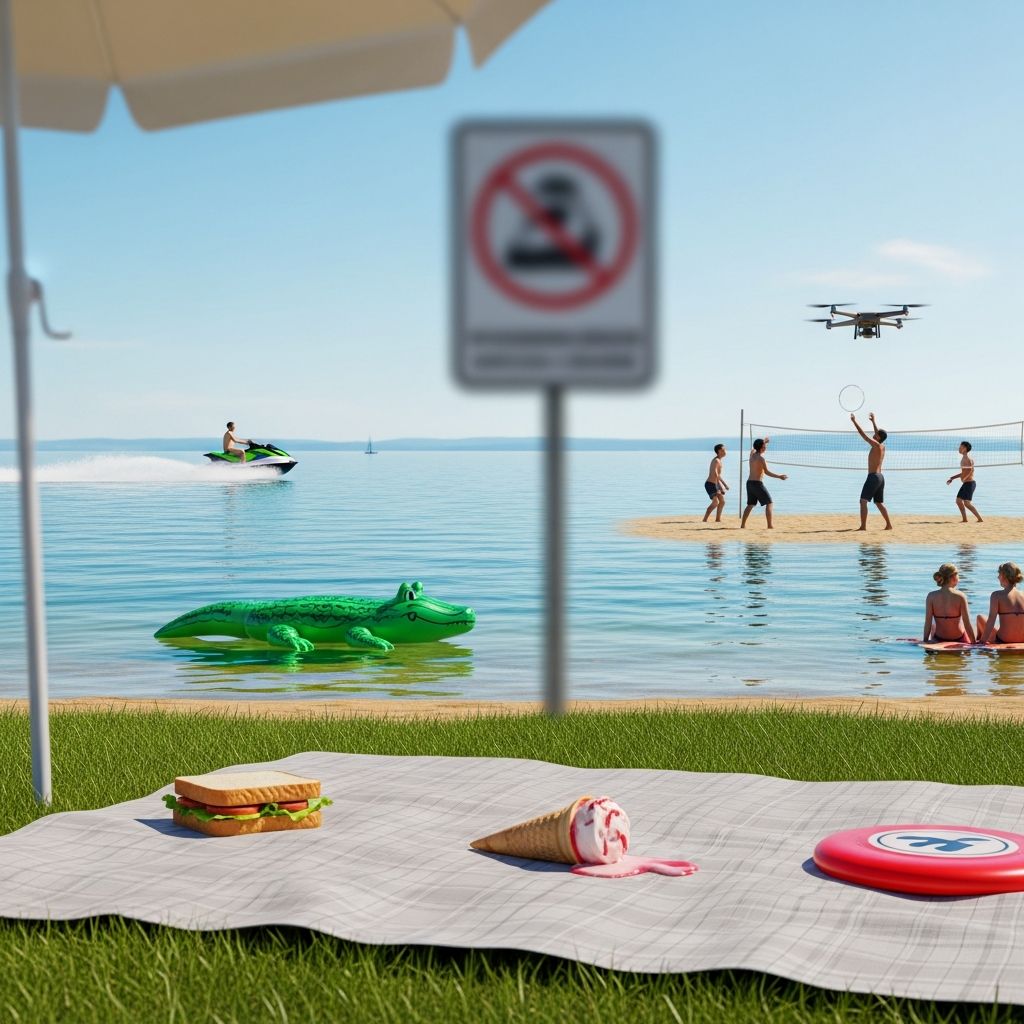
Summer brings opportunity for outdoor celebration, travel, and relaxation, yet this season coincides with a notable increase in law enforcement activity and arrests. High temperatures, large gatherings, and the consumption of alcohol create an environment where legal violations can occur unexpectedly. Understanding which activities carry legal consequences and how to participate responsibly can help you enjoy summer festivities without facing serious criminal charges or financial penalties.
The Summer Season and Increased Law Enforcement Activity
Law enforcement agencies across the country recognize summer as a period of heightened criminal activity. Multiple factors contribute to this trend. Large outdoor gatherings, particularly during holiday weekends, concentrate many people in single locations. Alcohol consumption increases during summer celebrations, which impairs judgment and increases the likelihood of disorderly conduct. Extended daylight hours and warm weather also facilitate outdoor activities where violations may occur more readily than during other seasons.
The combination of vacation mindsets, celebration atmospheres, and reduced inhibition creates conditions where individuals who would ordinarily avoid legal trouble may find themselves making poor decisions. Understanding the specific activities most frequently resulting in summer arrests allows you to make informed choices about your participation and behavior.
Holiday Celebrations and Fireworks-Related Violations
Independence Day and similar patriotic holidays generate the highest volume of summer arrests. Operating a vehicle under the influence (DUI) and boating while intoxicated (BWI) represent the most common charges during holiday weekends. However, many celebrants face arrest for less obvious violations they did not anticipate.
Fireworks represent a particular concern during summer holidays. While fireworks symbolize patriotic celebration, personal fireworks use remains illegal in many municipalities. Individuals who launch fireworks can face substantial fines—in some jurisdictions exceeding $5,000—and potential jail sentences. The distinction between legal and illegal fireworks varies significantly by location, with some areas permitting specific types while banning others entirely. Additionally, fireworks pose documented safety risks; sparklers alone reach temperatures of 1,200 degrees and represent a leading cause of Fourth of July injuries.
Strategies to avoid holiday arrest:
- Arrange transportation in advance by designating a sober driver or using ride-sharing services
- Attend professional fireworks displays rather than creating personal shows
- Research local noise ordinances and fire codes before hosting celebrations
- Understand that some jurisdictions prohibit alcohol consumption in certain public spaces, even if intoxication itself is not criminalized
- Monitor your consumption carefully, recognizing that impaired judgment may lead to other violations beyond intoxication charges
Alcohol-Related Offenses Beyond Driving
While driving under the influence receives substantial legal attention, summer alcohol violations extend far beyond vehicle operation. Open container laws prohibit displaying or consuming alcohol in public spaces in most jurisdictions, regardless of your intoxication level. Underage possession, contribution to the delinquency of minors, and furnishing alcohol to individuals under the legal drinking age represent serious felony charges in many states.
House parties and backyard gatherings create particular legal exposure. Property owners may face criminal liability for violations occurring on their premises. If you host a gathering where underage drinking occurs, guests become intoxicated and drive away, or property damage results from the event, you could face charges as the responsible party. This legal responsibility continues even if you did not directly furnish alcohol or witness the violation.
Music festivals and outdoor concerts attract large crowds where alcohol consumption is common. The combination of significant crowds, heightened emotions, and impaired judgment frequently results in disorderly conduct arrests, physical altercations, and drug possession charges. The environments that make festivals enjoyable—packed crowds, loud music, and freedom from normal social constraints—simultaneously create conditions where violations escalate quickly.
Water-Based Activities and Boating Violations
Summer water recreation introduces legal risks that many participants underestimate. Operating a boat under the influence of alcohol (BUI/BWI) is illegal in all fifty states and can constitute a federal crime. The legal blood alcohol limit for boat operation matches driving standards at 0.08% in most jurisdictions, yet many boaters approach intoxicated boating more casually than driving.
The physiological effects of alcohol intensify on water compared to land. Sun exposure, wind, engine noise, and motion compound alcohol’s impacts on judgment, balance, and coordination. Approximately one-third of recreational boating fatalities involve alcohol consumption. Beyond the safety implications, penalties for boating under the influence include substantial fines, jail sentences, loss of boating privileges, completion of mandatory safety courses, and potential felony convictions depending on prior offenses or resulting injuries.
Additional boating violations during summer include failure to maintain required safety equipment, exceeding posted speed limits, violating open container laws, and operating in restricted areas. Many water bodies enforce access restrictions during specific hours or designate certain zones for particular uses. Operators must understand these regulations before launching.
Safe boating practices that prevent legal violations:
- Designate a sober operator before any water outing begins
- Verify that all required safety equipment is present and functional
- Review speed limits, access zones, and operating hours for the specific water body
- Understand that open container laws typically apply on water just as they do on land
- Recognize that life jackets are legally required in most jurisdictions and their use may mitigate liability if violations occur
- Avoid operating boats during peak activity hours when enforcement is most visible
Motor Vehicle Violations During Extended Travel
Summer vacation patterns involve increased road travel as families and groups embark on extended trips. Extended time driving increases exposure to traffic enforcement. License plate checks identify expired registrations and outstanding warrants. Traffic stops initiated for minor violations such as speeding or improper lane changes frequently result in discovery of more serious issues.
Traveling across state and county lines introduces complexity because traffic laws vary significantly by jurisdiction. Speed limits, seatbelt requirements, and equipment standards differ between locations. Actions legal in your home state may violate regulations where you are traveling. Research specific requirements before departing.
Road trips increase the likelihood of police contact through routine traffic stops. During these encounters, officers may request vehicle searches, question vehicle occupants, and pursue investigations beyond the initial stop reason. Understanding your rights during traffic stops protects you legally. You have the right to decline vehicle searches without police consent, and police require probable cause or reasonable suspicion to conduct searches. However, exercising this right while being disrespectful to law enforcement may escalate situations unnecessarily.
If you are traveling with passengers, understand that shared vehicles can create legal liability. If a passenger possesses illegal items or controlled substances, all vehicle occupants may face possession charges even if the items belong exclusively to one person. Before allowing passengers to occupy your vehicle, understand what items they are transporting.
Substance-Related Violations at Social Gatherings
Beyond alcohol, summer gatherings frequently involve controlled substance use. Marijuana possession, while legal in some jurisdictions, remains a federal crime and illegal in many states. Possession of other drugs carries substantial criminal penalties including felony charges, mandatory prison sentences, and permanent criminal records affecting future employment and educational opportunities.
Drug violations at social gatherings extend beyond personal use. Manufacturing, distributing, or possessing drugs with intent to distribute carry dramatically enhanced penalties. Sharing marijuana cigarettes or other substances with friends, particularly if monetary exchange occurs or if recipients are minors, transforms simple possession into distribution charges. The legal distinction between personal use and distribution depends on factors such as quantity possessed, packaging, presence of scales or cash, and circumstantial evidence of sales activity.
Underage alcohol and drug possession represent serious violations. Minors charged with alcohol possession, purchase, or consumption face criminal charges, mandatory counseling, driver’s license suspension, and permanent records affecting college admissions and employment. Providing alcohol or drugs to minors creates serious criminal liability for adults. These charges are treated as felonies and can result in years of incarceration.
Disorderly Conduct and Public Nuisance Violations
Disorderly conduct represents a broad charge encompassing behaviors that disturb public order. This includes excessive noise, public fighting, threatening language, indecent exposure, and other conduct offensive to ordinary sensibilities. During summer gatherings, particularly those involving alcohol consumption, disorderly conduct arrests frequently result from escalating situations that begin with minor complaints.
Noise ordinances establish specific limitations on volume levels, times of day when noise is restricted, and procedures for neighbors to lodge complaints. These ordinances vary dramatically between jurisdictions. Urban areas typically enforce stricter standards than rural locations. Understanding your area’s specific noise regulations allows you to host gatherings within legal parameters.
Public intoxication laws exist in most jurisdictions. Appearing in public spaces in such an intoxicated state that you cannot care for yourself or pose a threat to others can result in arrest, overnight detention, and criminal charges. Some jurisdictions also criminalize assisting intoxicated persons who then become liabilities, creating potential charges for friends or hosts who allow severely intoxicated individuals to depart.
Trespassing and Unauthorized Property Access
Summer activities sometimes involve accessing properties without explicit permission. Attempting to enter exclusive events or venues without tickets constitutes trespassing. Swimming in private pools or natural areas with restricted access creates trespassing liability. Parking in unauthorized locations, even temporarily, can result in citations and vehicle impounds.
Festivals and outdoor events sometimes involve unofficial areas or locations near official venues. While these adjacent areas may appear accessible, they frequently remain private property where unauthorized presence constitutes criminal trespass. Property owners can pursue both criminal charges and civil lawsuits against trespassers. Criminal trespass charges create permanent records affecting future background checks and employment opportunities.
Practical Strategies for Legal Summer Recreation
Protecting yourself legally during summer requires understanding applicable laws, planning ahead, and making deliberate choices about your activities.
| Activity Category | Primary Legal Risks | Prevention Strategies |
|---|---|---|
| Holiday Celebrations | DUI, fireworks violations, disorderly conduct | Designate sober driver, research fireworks laws, monitor noise levels |
| Water Recreation | BWI, equipment violations, open containers | Designate sober operator, verify safety equipment, understand local regulations |
| Road Trips | Traffic violations, DUI, vehicle inspection failures | Verify registration, drive sober, research state-specific regulations |
| Social Gatherings | Underage drinking, drug possession, noise complaints | Check guests’ identification, establish ground rules, host responsibly |
| Music Events | Drug possession, underage drinking, altercations | Avoid carrying questionable items, stay hydrated, maintain personal awareness |
Essential Prevention Steps
- Know local laws: Research the specific regulations in your destination or event location, including open container laws, noise ordinances, fireworks restrictions, and driving regulations
- Plan transportation: Arrange designated drivers or ride-sharing services before consuming alcohol
- Avoid substances: Do not carry or use controlled substances, recognizing that marijuana legality varies by jurisdiction despite state-level authorization
- Verify ages: If hosting gatherings, check identification and maintain records that you took reasonable precautions against underage drinking
- Monitor guests: As a host, you bear legal responsibility for activities occurring on your property; intervene in situations approaching illegal conduct
- Document sobriety: Maintain evidence of your sobriety if questioned by law enforcement, including refusal of breath tests (recognizing that refusal may have separate consequences)
- Understand consent: Police require proper authorization to search your property or vehicle; understand when you can legally refuse consent
Frequently Asked Questions About Summer Legal Issues
Q: Is public intoxication always illegal?
A: Public intoxication laws vary by jurisdiction. However, even in areas where public intoxication itself is not criminalized, intoxicated persons who disturb public order, endanger others, or cannot care for themselves may face disorderly conduct charges or other violations.
Q: Can I face criminal charges for a friend’s actions at my house party?
A: Yes, property owners can face criminal liability for certain activities occurring on their premises. If underage drinking happens at your home, if guests become intoxicated and then drive away, or if significant property damage occurs, you may face charges as the responsible party.
Q: What blood alcohol level constitutes legal intoxication for boating?
A: The legal limit for boat operation matches the driving standard of 0.08% blood alcohol content in most states. However, impairment at lower levels can result in arrest, and environmental factors on water intensify alcohol’s effects.
Q: Are fireworks legal everywhere during summer holidays?
A: No. Many municipalities prohibit personal fireworks use entirely. Always research your specific city or county regulations before purchasing or using fireworks, as violations can result in substantial fines and jail time.
Q: Can I be charged with drug possession if items belong to a passenger?
A: Yes. Constructive possession laws mean you can face possession charges even if controlled substances technically belong to another person. If a passenger in your vehicle possesses illegal items, you may be charged as well.
Q: What should I do if police request to search my vehicle during a traffic stop?
A: You have the right to refuse vehicle searches without police consent. However, exercise this right respectfully and clearly state your refusal. Police require probable cause or reasonable suspicion to conduct searches, and argumentative behavior may escalate situations unnecessarily.
Q: Are there specific hours when noise ordinance violations occur?
A: Noise ordinance restrictions typically increase during nighttime hours, though specific regulations vary by jurisdiction. Research your location’s specific ordinance to understand permissible noise levels and timeframes.
Q: What constitutes disorderly conduct during summer events?
A: Disorderly conduct includes excessive noise, public fighting, threatening language, indecent exposure, and other behavior that disturbs public order. During large events with alcohol, minor incidents can escalate into arrest situations.
Conclusion: Enjoying Summer Responsibly and Legally
Summer offers valuable opportunities for recreation, travel, celebration, and social connection. However, these activities require awareness of applicable legal requirements and deliberate decision-making about participation. Understanding which activities carry legal risks, researching jurisdiction-specific regulations, and planning ahead allows you to enjoy summer fully while protecting yourself from criminal charges and associated consequences. The combination of awareness, responsibility, and advance planning creates conditions for summer enjoyment without legal complications.
References
- Summer Events That Can Land You in Jail (and How to Avoid It!) — AAA Bail Bonds Minnesota. Accessed April 2026. https://aaabailbondsmn.com/summer-events-that-can-land-you-in-jail-and-how-to-avoid-it/
- 7 Summer Boating Safety Tips You Need to Know — Arag Legal. Accessed April 2026. https://www.araglegal.com/member/learning-center/topics/home-and-property/summer-boating-safety-tips
- 10 Tips for Students to Avoid Legal Trouble — Saupe Law. Accessed April 2026. https://www.saupelaw.com/criminal-law/10-tips-for-students-to-avoid-legal-trouble/
- 5 Summer Things We Did As Kids That Are Now Illegal — Seattle’s Child. Accessed April 2026. https://www.seattleschild.com/5-summer-things-we-did-as-kids-that-are-now-illegal/
- Top 10 Tips for Students on How to Stay Out of Trouble — Reaves Legal. Accessed April 2026. https://www.reaveslegal.com/library/top-10-tips-for-students-on-how-to-stay-out-of-trouble.cfm
Similar Articles








Read full bio of medha deb




