
Strange Laws Abroad That Trip Up U.S. Travelers
Discover unusual international laws that can lead to fines, arrests, or deportation for American tourists—stay informed and travel safely.
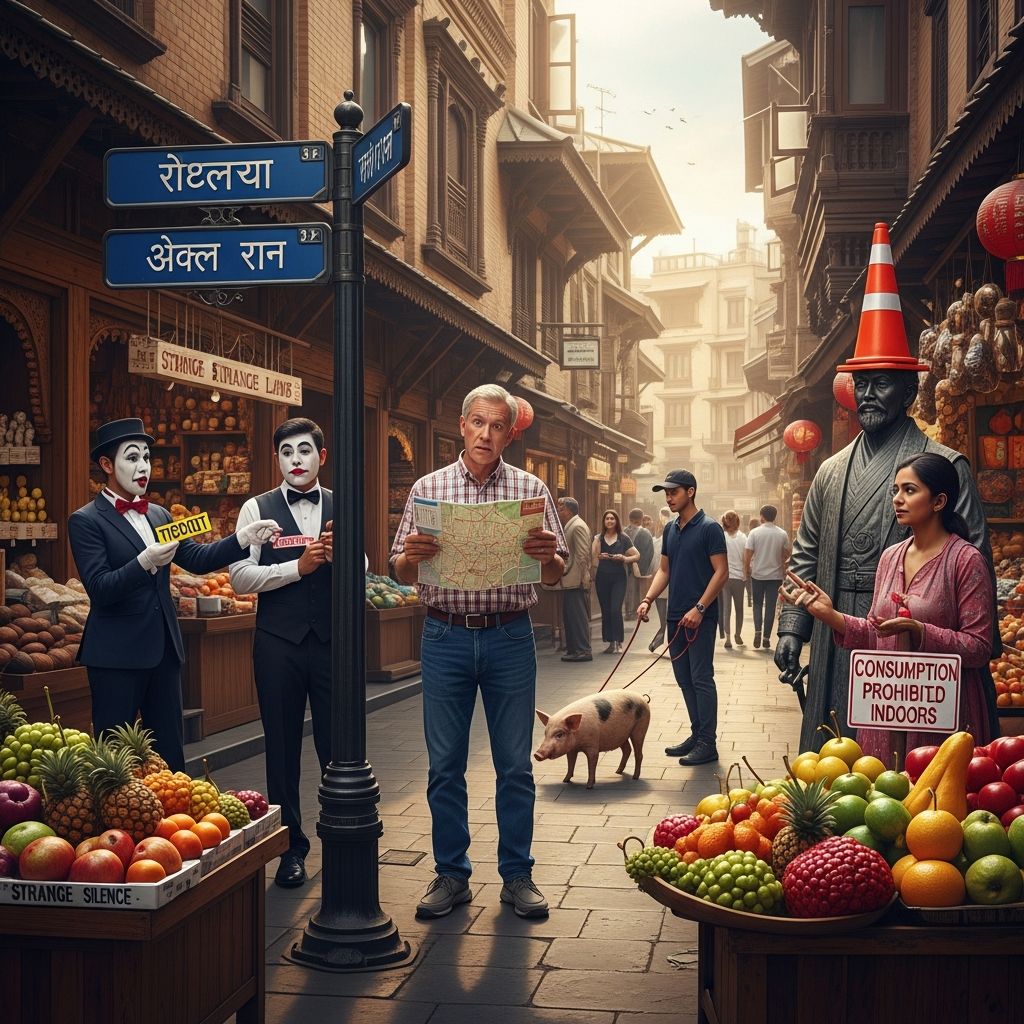
International travel offers excitement and adventure, but unfamiliar legal landscapes can turn a dream vacation into a nightmare. U.S. citizens must adhere to local laws, which differ significantly from American norms and can lead to severe penalties like fines, imprisonment, or deportation. This article explores unusual regulations that frequently catch tourists off guard, drawing from official advisories and real traveler experiences to help you prepare.
Why Local Laws Matter for American Tourists
Laws abroad are not mere suggestions; violations can result in immediate consequences regardless of intent or ignorance. The U.S. Department of State emphasizes that Americans traveling internationally must respect host country rules, as even minor infractions can escalate. Factors like cultural norms, environmental protection, and public order shape these statutes. For instance, what seems like a harmless habit at home—chewing gum or jaywalking—might be a criminal offense elsewhere. Proactive research via government travel advisories prevents mishaps and ensures smoother journeys.
Biosecurity and Customs Pitfalls
Many nations enforce strict entry rules to safeguard agriculture and ecosystems. Australia’s biosecurity regime requires declaring all food, plant materials, animal products, and even soiled hiking gear upon arrival. Failure to comply incurs fines up to AUD 420,000 for individuals, with spot checks at airports leading to confiscations. Travelers often overlook snacks or camping equipment, assuming they’re innocuous.
- Declare items like fresh fruits, nuts, or wooden souvenirs.
- Clean outdoor gear thoroughly before departure.
- Check the Australian Border Force website for the full prohibited list.
Similarly, Japan’s customs scrutinize medications. Common over-the-counter remedies containing codeine, such as certain cough syrups or painkillers, are illegal without prior approval. Vicks inhalers and pseudoephedrine products like Sudafed fall under narcotics laws, potentially leading to arrest and detention. Obtain a “Yunyu Kakunin-sho” certificate from Japanese customs in advance for permitted quantities.
Public Behavior and Decency Rules
Cultural expectations heavily influence public conduct laws. In Singapore, chewing gum is banned entirely, except for therapeutic types prescribed by dentists. Possession or import can result in fines up to SGD 1,000 or jail time, stemming from efforts to curb littering. Tourists smuggling gum in luggage have faced prosecution.
Dubai enforces conservative standards: swearing in public, even in frustration, carries penalties including fines and up to three months imprisonment. A British tourist learned this the hard way during an airport dispute. Unmarried couples sharing hotel rooms risk arrest unless related, and LGBTQ+ travelers face heightened risks in the UAE.
| Country | Restricted Behavior | Potential Penalty |
|---|---|---|
| Singapore | Chewing or importing gum | Fine SGD 1,000 or jail |
| Dubai (UAE) | Public swearing | Fine + 3 months prison |
| Thailand | Driving shirtless | Fine up to 500 THB |
Driving and Traffic Quirks
Road rules vary dramatically. Most countries prohibit right turns on red lights, unlike many U.S. states—a common shock for American drivers in Europe and Asia. Germany’s anti-jaywalking law mandates waiting for pedestrian signals, even on empty streets, with fines from €5-10 escalating for repeat offenses.
In Thailand, driving shirtless or in flip-flops is illegal, viewed as indecent or unsafe, attracting fines up to 500 baht (about $15 USD). Renting scooters without proper attire has led to police stops and impoundments.
Respecting Sacred and Historic Sites
Monuments demand reverence. Italy bans eating, drinking, or sitting on sites like the Colosseum and Pantheon to combat litter and damage, with fines up to €250 in Rome. Venice prohibits feeding pigeons in St. Mark’s Square, a measure against filth accumulation, punishable by on-the-spot fines.
Thailand and Costa Rica view feet as unclean; placing shod feet on furniture or pointing them at people/Buddhas is taboo and can provoke legal action in temples. Always remove shoes indoors and avoid soles-up gestures.
Medication and Personal Items Surprises
Beyond Japan, Greece restricts pseudoephedrine decongestants, treating them as controlled substances. Travelers must declare and dispose of them or risk seizure. In the UAE, certain antidepressants require medical certification.
- Research prescription needs via embassy lists.
- Carry doctor’s notes for all meds.
- Avoid OTC drugs with stimulants or opioids.
Social and Privacy Norms
Privacy laws protect against intrusive photography. Locals in many Middle Eastern and Asian countries can charge for unauthorized photos, especially in rural areas. Public nudity, even on beaches, is fined heavily in places like Thailand.
Impersonation is serious: Dressing as police for costumes violates laws in the UK and similar nations.
Preparation Strategies for Savvy Travelers
To sidestep these traps:
- Consult U.S. State Department country pages for “Local Laws & Customs.”
- Review airline and destination customs forms pre-flight.
- Enroll in STEP for alerts.
- Purchase comprehensive travel insurance covering legal aid.
- Avoid assuming “tourist leniency”—Singapore and Japan enforce equally.
Real cases abound: Australians have paid thousands for undeclared cheese; Americans detained over allergy meds in Asia. Knowledge empowers safe exploration.
Frequently Asked Questions (FAQs)
What happens if a U.S. citizen breaks a law abroad?
Consequences include fines, arrest, deportation, or U.S. prosecution for certain crimes. Embassies offer limited help.
Are over-the-counter meds safe to pack internationally?
No—check restrictions. Japan bans codeine products; declare everything.
Can tourists get leniency for cultural ignorance?
Rarely. Strict nations like Singapore apply laws universally.
Is right-on-red allowed abroad?
Generally no, except specific locales—verify local rules.
How to research laws before travel?
Use State.gov, Smartraveller.gov.au, or equivalent official sites.
Conclusion: Travel Smart, Stay Legal
Embracing global diversity means respecting diverse legal frameworks. By anticipating these oddities, U.S. travelers protect their adventures from unexpected interruptions. Safe journeys!
References
- 11 Local Laws Abroad That Are Catching American Tourists Off Guard — Backroad Planet. 2023. https://backroadplanet.com/11-local-laws-abroad-that-are-catching-american-tourists-off-guard/
- Travelers should be aware of unusual laws before heading abroad — Atlanta Journal-Constitution. 2023. https://www.ajc.com/travel/know-before-you-go-travelers-should-be-aware-of-unusual-laws-before-heading-abroad/YUSHRYSIM5ELZJZLBNH2YCPAAA/
- 10 cultural norms and legal rules too risky to ignore when traveling internationally — Travelers United. 2023. https://www.travelersunited.org/10-cultural-norms-and-legal-rules-too-risky-to-ignore-when-traveling-internationally/
- Laws Abroad — U.S. Department of State. 2026-04-01. https://travel.state.gov/en/international-travel/planning/guidance/laws.html
- 10 Strange Laws Around The World You Need to Know — Trtl Travel UK. 2025-02-19. https://uk.trtltravel.com/blogs/news/10-unusual-holiday-laws-you-might-not-realise-youre-breaking-abroad
Similar Articles








Read full bio of medha deb




