
Stop Debt Collector Harassment: Essential Strategies
Empower yourself against aggressive debt collection tactics with proven legal steps to protect your rights and end harassment today.
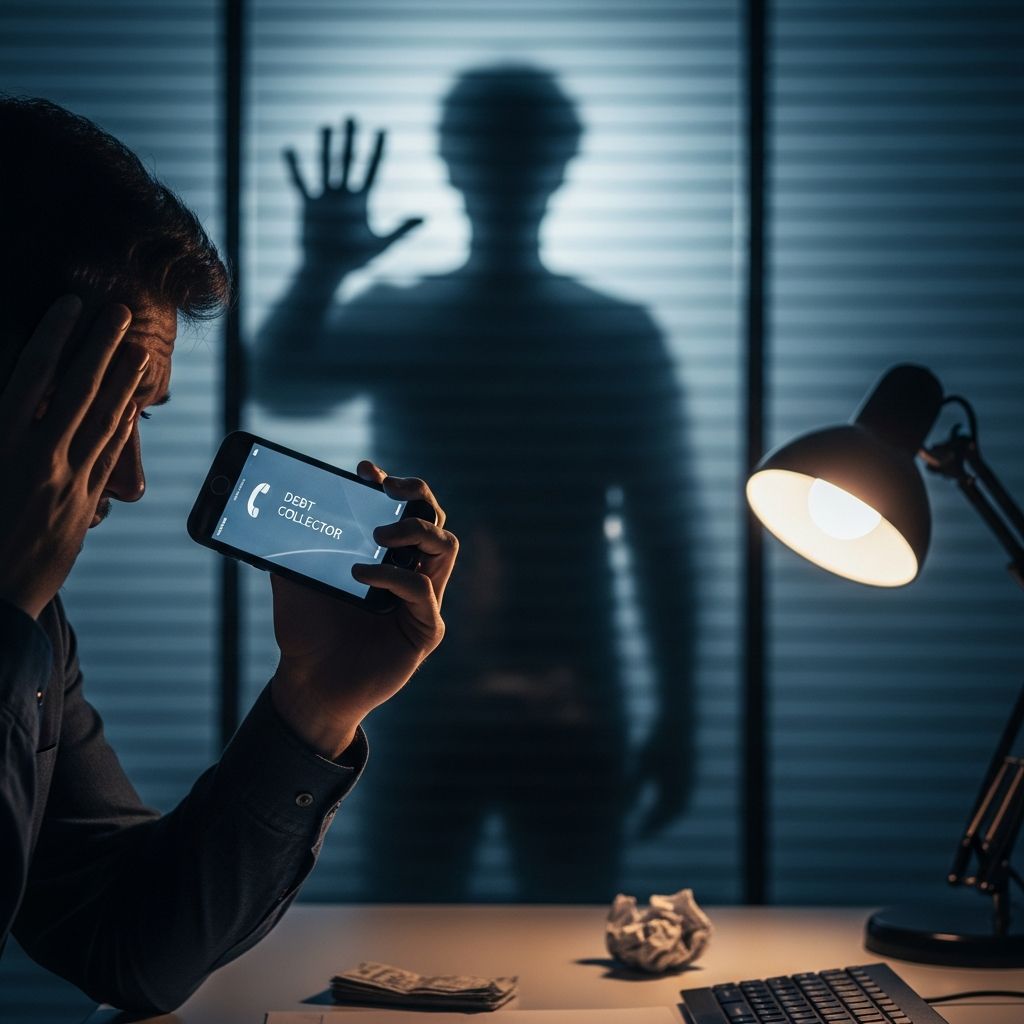
Persistent calls, threats, and intimidation from debt collectors can disrupt daily life and cause significant stress. Federal laws like the Fair Debt Collection Practices Act (FDCPA) provide strong protections against abusive tactics, empowering consumers to regain control. This guide outlines actionable steps to identify violations, halt unwanted contact, and pursue remedies if needed.
Recognizing Illegal Debt Collection Tactics
Debt collectors often employ aggressive methods to pressure payments, but many cross legal boundaries. Understanding prohibited actions is the first line of defense.
- Excessive contacting: Repeated calls intended to annoy, such as multiple daily attempts or calls before 8 a.m. or after 9 p.m. local time.
- Abusive language: Profanity, insults, or threats of violence, which qualify as harassment under federal law.
- False threats: Claims of arrest, lawsuits, or asset seizure without intent or ability to follow through.
- Privacy invasions: Discussing your debt with employers, family, or neighbors, except to locate you.
- Deceptive practices: Impersonating officials, misrepresenting debt amounts, or failing to identify themselves.
These violations not only violate the FDCPA but can lead to penalties for collectors. Recognizing them allows you to respond effectively rather than react emotionally.
Initial Steps to Protect Yourself During Contact
When a collector reaches out, stay composed and gather information without admitting liability. Here’s how to handle the first interaction:
- Ask for details: Request their name, company, phone number, address, and the creditor’s name. Legitimate collectors must provide this.
- Do not confirm the debt: Avoid saying “yes” to owing money; this can reset statutes of limitations in some states.
- Specify communication preferences: Direct them to contact you only in writing or at certain times to minimize disruption.
- Hang up if abusive: You are not obligated to endure threats or profanity—end the call immediately.
These steps verify legitimacy and set boundaries early, reducing harassment opportunities.
Powerful Tool: Demanding Debt Verification
Under the FDCPA, you have 30 days from initial contact to request written verification. This forces the collector to prove the debt’s validity, pausing collection until they comply.
How to request verification:
- Send a certified letter stating: “I dispute this debt and request verification including the original creditor, amount owed, and your authority to collect.”
- Include a copy of their notice if received.
- Keep records of sending and any response.
Without verification, they cannot continue collection activities. If they fail to provide it or resume anyway, it’s a violation you can leverage for complaints or lawsuits. This step alone stops many invalid claims, as collectors often pursue unverified or time-barred debts.
Ending Contact: The Cease and Desist Letter
The most direct way to stop calls is a cease and desist (C&D) letter. Once received, collectors must halt all communication except to confirm cessation, notify of lawsuits, or report to credit bureaus.
Sample C&D letter structure:
| Element | Details |
|---|---|
| Your contact info | Full name, address, account number |
| Collector’s info | Their name, company, address |
| Clear demand | “Cease all communication with me regarding this debt immediately.” |
| Send method | Certified mail, return receipt requested |
| Keep copy | For your records and potential legal action |
Even original creditors may honor this, though FDCPA applies strictly to third-party collectors. If they persist post-letter, document it as evidence of willful violation.
Building an Ironclad Record of Interactions
Documentation is crucial for enforcement. Treat every interaction as potential court evidence.
- Phone logs: Date, time, duration, caller’s name, summary of what was said.
- Messages: Save voicemails, noting threats or frequency.
- Letters/emails: Store originals and copies.
- Third-party contacts: Get witness statements from anyone they approached.
- Personal impact: Note stress, missed work, or health effects for damage claims.
A detailed log strengthens complaints to regulators or lawsuits, often leading to quick resolutions as collectors avoid litigation.
Reporting Violations to Authorities
If harassment continues, escalate to oversight bodies. They investigate patterns and can impose fines.
- Consumer Financial Protection Bureau (CFPB): File online at consumerfinance.gov; tracks nationwide complaints.
- Federal Trade Commission (FTC): Reports patterns of abuse under FDCPA.
- State Attorney General: Handles local violations; some states have stronger laws.
Provide your log and copies of letters. Agencies often forward complaints to collectors, prompting compliance without further action from you.
Leveraging Legal Representation
Consumer protection attorneys specialize in FDCPA cases, offering free consultations and working on contingency—no upfront fees.
Benefits include:
- Professional cease letters and negotiations.
- Filing suits for violations.
- Recovering damages: up to $1,000 statutory, plus emotional distress, fees.
Many collectors settle to avoid court. Search for FDCPA specialists in your area.
Potential Outcomes: Suing for Violations
Private lawsuits under FDCPA allow recovery without proving financial loss. Courts award statutory damages, actual harms, and attorney fees.
Common awards:
- $1,000 per violation (up to action limits).
- Compensatory for stress or lost wages.
- Full legal costs covered by defendant.
Statute of limitations is typically one year from violation. With strong records, success rates are high.
Long-Term Financial Strategies
Stopping harassment addresses symptoms; resolving debt prevents recurrence.
- Negotiate settlements: Offer lump sums for less than owed post-verification.
- Check statutes of limitations: Debts expire; collectors can’t sue beyond.
- Debt management plans: Nonprofit credit counseling for structured repayment.
- Bankruptcy as last resort: Stops all collection instantly via automatic stay.
Prioritize based on your situation, consulting professionals.
Frequently Asked Questions (FAQs)
Can debt collectors call my workplace?
They can once to locate you but not to discuss the debt if it risks your job. Further calls may violate FDCPA.
What if I can’t pay the debt?
They can’t threaten jail or harass. Dispute if invalid, negotiate, or seek relief options.
Do cease letters work on original creditors?
FDCPA doesn’t require it, but many stop. For persistent cases, state laws or lawsuits apply.
How soon must verification be provided?
Collectors must mail it before resuming collection; no fixed timeline, but delays are violations if they proceed.
Can I sue for emotional distress?
Yes, if documented, alongside statutory damages.
References
- How to Handle Rude and Abusive Debt Collectors — AARP. 2023. https://www.aarp.org/money/personal-finance/handle-rude-debt-collectors/
- Stop Debt Collector Harassment: 7 Legal Steps — Consumer Justice Lawyer. 2024. https://consumerjusticelawyer.com/how-to-stop-debt-collector-harassment-7-powerful-legal-steps-that-actually-work/
- 10 Tips for How to Effectively Deal With Debt Collectors — Debtor Protectors. 2015-12. https://www.debtorprotectors.com/blog/2015/december/10-tips-for-how-to-effectively-deal-with-debt-co/
- Stopping Debt Collection Harassment — NCLC Digital Library. 2024. https://library.nclc.org/article/stopping-debt-collection-harassment-consumer-debt-advice-nclc
- 5 Tips to Stop Abusive Debt Collection Practices — National Center on Law & Elder Rights (ACL.gov). 2023. https://pfs2.acl.gov/strapib/assets/5_Tips_Abusive_Debt_Collection_Practice_Tip_5583ed593d.pdf
- Disputing the Debt — LawHelpNY.org. 2024. https://www.lawhelpny.org/resource/disputing-the-debt
- What should I do when a debt collector contacts me? — Consumer Financial Protection Bureau (CFPB). 2024-04-03. https://www.consumerfinance.gov/ask-cfpb/what-should-i-do-when-a-debt-collector-contacts-me-en-1695/
Similar Articles








Read full bio of medha deb




