
States with Weakest Animal Cruelty Protections
Discover U.S. states lagging in animal welfare laws, from felony gaps to reporting bans, and paths to reform.
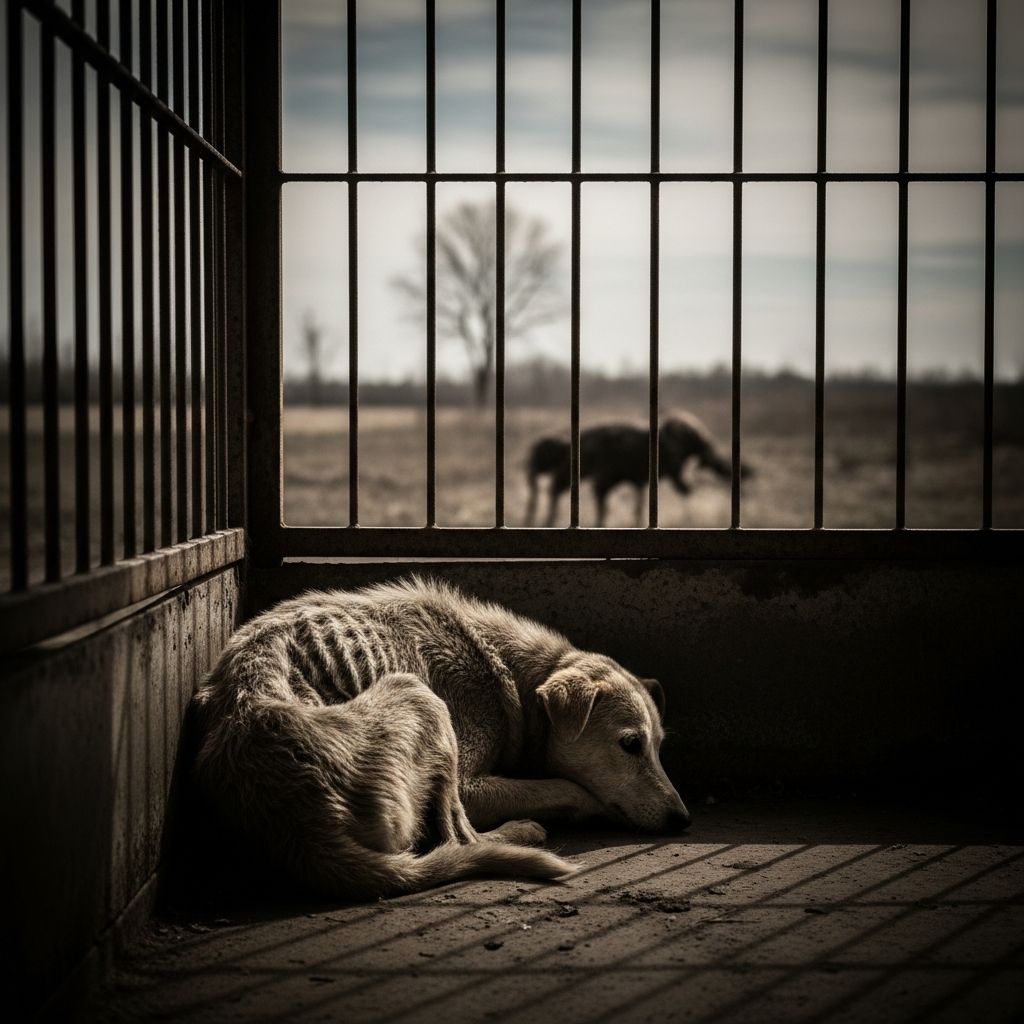
Animal cruelty laws vary significantly across the United States, with some states offering robust protections while others maintain outdated statutes that fail to deter abuse effectively. Recent evaluations by the Animal Legal Defense Fund (ALDF) reveal persistent weaknesses in several jurisdictions, where misdemeanor classifications dominate, veterinary reporting is restricted, and critical safeguards like post-conviction bans are absent. This article examines the current landscape, focusing on bottom-ranked states, common legal shortcomings, and potential reforms to strengthen animal welfare nationwide.
Understanding State Rankings on Animal Protection
The ALDF’s annual U.S. State Animal Protection Laws Rankings assess 50 states across 19 categories, including anti-cruelty statutes, fighting prohibitions, and enforcement mechanisms. These reports, now in their 18th edition as of 2023, highlight how laws evolve—or stagnate—over time. For instance, top performers like Oregon and Massachusetts enforce felony-level penalties for severe abuse, mandatory mental health evaluations for offenders, and comprehensive seizure provisions. In contrast, bottom-tier states often treat even egregious acts as misdemeanors, limiting penalties and failing to protect companion animals adequately.
Rankings shift yearly due to legislative changes. Kentucky held the #50 spot for over a decade until 2019, when it criminalized bestiality, climbing slightly but remaining problematic due to unique veterinarian reporting prohibitions. By 2023, North Dakota claimed the lowest rank, with Alabama, Idaho, South Carolina, and Kentucky trailing. The 2025 report lists Alaska at the bottom of the lower tier, followed by Montana, Arkansas, and others like Mississippi and Kentucky. These fluctuations underscore the need for ongoing advocacy.
Key Deficiencies in Low-Ranking States
States with weak laws share recurring flaws that undermine enforcement and deterrence. Misdemeanor caps on penalties, even for torture, reduce incentives for prosecution. Lack of felony provisions for repeat or aggravated offenses allows abusers to evade serious consequences. Additionally, no mandates for psychological evaluations or pet ownership bans post-conviction enable recidivism.
- Misdemeanor-Only Penalties: Many low-ranked states classify all cruelty as misdemeanors, capping jail time and fines.
- No Felony Thresholds: Absent clear escalations to felonies for severe cases like intentional torture.
- Reporting Barriers: Prohibitions or lacks of immunity for vets reporting suspicions.
- Missing Post-Conviction Measures: No required therapy, evaluations, or bans from owning animals.
- Limited Coverage: Laws often exclude farm animals or vaguely define “cruelty.”
These gaps contrast sharply with high-ranking states, where laws mandate asset forfeiture, civil remedies, and inter-agency cooperation.
Spotlight on Persistent Bottom Performers
North Dakota: Recent Drop to the Bottom
North Dakota fell to #50 in 2023, reflecting stagnant laws that treat most cruelty as misdemeanors without felony upgrades for malice or repetition. There are no provisions for mandatory reporting by professionals, and post-conviction restrictions like ownership bans are absent. This leaves pets vulnerable, as offenders face minimal deterrence.
Kentucky: Longtime Leader in Leniency
Kentucky dominated low rankings for 11 straight years through 2017, and remains near the bottom into 2025. Uniquely, it prohibits veterinarians from reporting suspected abuse, shielding potential cases from authorities—the only state with this restriction. While 2019 bestiality bans offered minor improvement, core issues like misdemeanor caps persist.
Mississippi: Meager General Statutes
Mississippi hit #50 in 2019 and lingers low in 2025. General cruelty laws are vague, capping all acts—even torture—as misdemeanors. Dog and cat protections are slightly better but still start as misdemeanors for first offenses. Vets can report suspicions, a step above Kentucky, but enforcement remains weak.
Iowa and New Mexico: Familiar Low-Rankers
Iowa ranks #49 in older reports and low in 2025, lacking felony cruelty laws and post-conviction bans. New Mexico fares marginally better with mandatory forfeiture and evaluations but no felony charges for many abuses and vague livestock protections. Both states highlight rural influences prioritizing agriculture over pets.
Comparative Analysis: Weak vs. Strong Laws
To illustrate disparities, consider this table comparing select weak and strong states across key metrics (based on ALDF 2023-2025 data):
| State | Rank (2023/2025) | Felony Cruelty | Vet Reporting | Post-Conviction Ban | Mental Eval |
|---|---|---|---|---|---|
| North Dakota | 50 / Bottom | No | No Mandate | No | No |
| Kentucky | 46 / 12th Bottom | Limited | Prohibited | No | No |
| Mississippi | Low / 11th Bottom | No (Dogs/Cats Limited) | Allowed | No | No |
| Oregon | 1 / 1 | Yes | Mandated/Immune | Yes | Yes |
| Massachusetts | 4 / 2 | Yes | Mandated/Immune | Yes | Yes |
This table reveals how top states provide layered protections absent in laggards, enhancing victim recovery and offender accountability.
Recent Legislative Progress and Roadblocks
Some bottom states show glimmers of change. Kentucky’s 2019 bestiality law bumped it from dead last. Connecticut surged 20 spots in 2023 via comprehensive reforms. Pennsylvania advanced with felony provisions and vet immunity. Yet, rural economies often resist strengthening laws, fearing impacts on farming or hunting. Advocacy groups push for model legislation including felony thresholds and reporting mandates.
Implications for Animals and Society
Weak laws correlate with higher abuse rates and unprosecuted cases, as misdemeanors rarely lead to jail. The “link” between animal abuse and human violence—supported by FBI data—makes reform urgent for public safety. Stronger statutes could reduce recidivism via evaluations and bans. Pet owners in low-rank states must rely on local humane societies, as state enforcement lags.
Advocacy Strategies for Stronger Protections
Citizens can drive change by contacting legislators, supporting ALDF campaigns, and volunteering with shelters. Model bills from leading states offer blueprints. Public awareness of rankings pressures lawmakers—Connecticut’s rise proves it.
Frequently Asked Questions (FAQs)
What makes a state’s animal cruelty laws ‘weak’?
Laws are weak if they lack felony penalties for severe abuse, fail to mandate reporting or evaluations, and omit ownership bans post-conviction.
Has Kentucky improved its ranking?
Slightly, after 2019 bestiality bans, but it remains low due to vet reporting prohibitions and misdemeanor dominance.
Which state ranks #1 for animal protection?
Oregon holds the top spot in 2023 and 2025 reports, with comprehensive felony laws and enforcement tools.
Why do rankings change yearly?
Legislative updates, like new seizure laws or immunity provisions, cause shifts, as tracked by ALDF.
How can I help improve laws in my state?
Contact representatives, join advocacy groups, and share rankings to build public support for reforms.
Conclusion: Toward Nationwide Safeguards
While progress occurs, too many states cling to inadequate frameworks. Emulating top performers could unify protections, ensuring no animal suffers due to jurisdictional lottery. Ongoing vigilance is essential.
References
- 2019 Animal Protection U.S. State Laws Rankings Report — Animal Legal Defense Fund. 2020-02. https://aldf.org/wp-content/uploads/2020/02/2019-Animal-Protection-US-State-Laws-Rankings-Report.pdf
- State Animal Protection Laws Ranked: Oregon is #1, North Dakota #50 — Animal Legal Defense Fund. 2023. https://aldf.org/article/state-animal-protection-laws-ranked-2023/
- States With the Best and Worst Animal Protection Laws — Stacker (using ALDF data). Recent. https://stacker.com/stories/your-state/states-best-and-worst-animal-protection-laws
- 2025 US Animal Protection Laws Ranking Report — Animal Legal Defense Fund. 2025. https://aldf.org/project/us-state-rankings/
- The Best and Worst States for Animal Safety — dvm360 (using ALDF data). Recent. https://www.dvm360.com/view/the-best-and-worst-states-for-animal-safety
Similar Articles








Read full bio of Sneha Tete




