
Spring Break Risks: Injuries and Legal Protections
Discover frequent spring break injuries, prevention strategies, and your legal options for compensation after accidents.
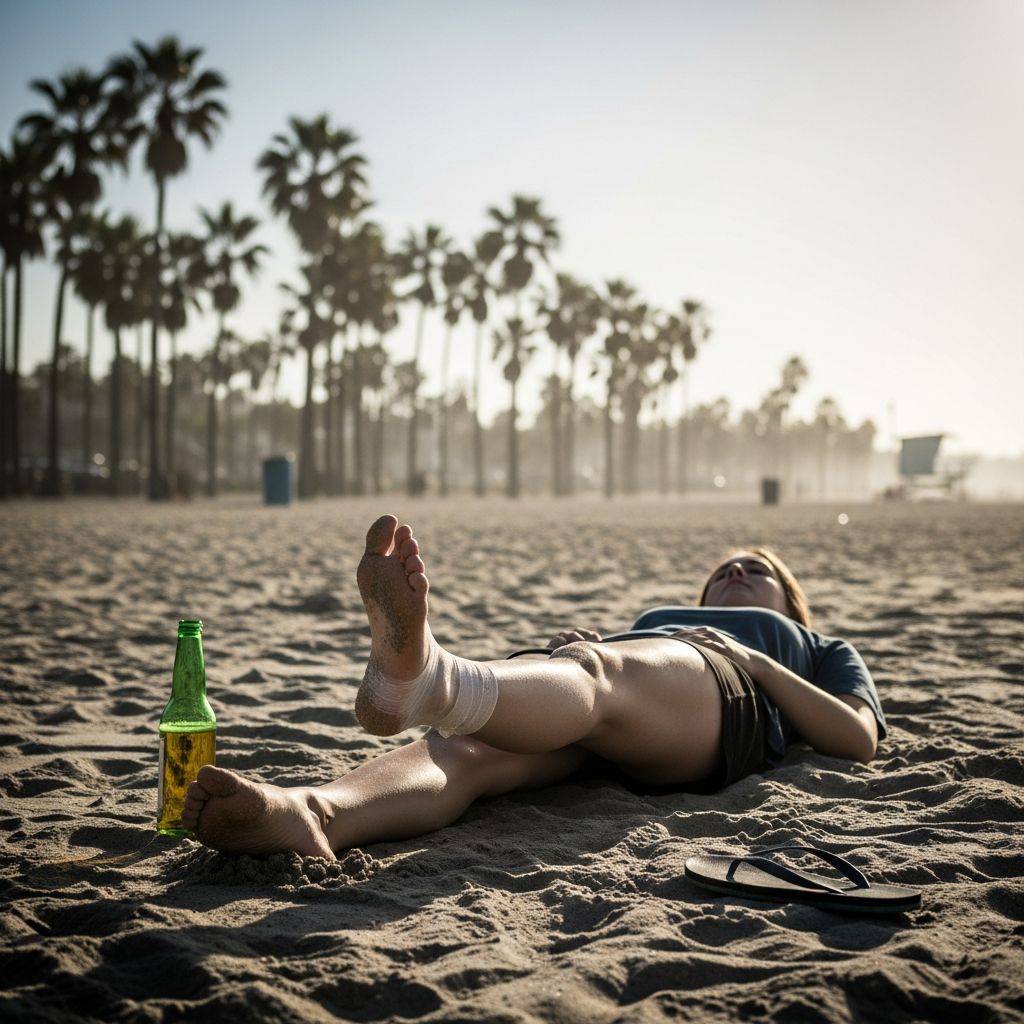
Spring break draws millions to sunny destinations for relaxation and adventure, but heightened crowds, alcohol use, and risky activities elevate injury chances. Understanding prevalent dangers and legal safeguards empowers travelers to enjoy safely and seek justice if harmed.
Why Spring Break Heightens Accident Risks
Peak travel in March fills beaches, resorts, and roads with college students and families. Warmer climates encourage water sports, nightlife, and road trips, amplifying hazards. Statistics from the U.S. Coast Guard show boating incidents spike during holidays, while CDC data links alcohol to over 30% of emergency visits in tourist areas. Negligence by venues, operators, or drivers often underlies these events, opening doors to compensation claims.
Top Hazards in Aquatic Environments
Beaches, pools, and hot tubs attract thrill-seekers, yet they host drownings and near-drownings. Alcohol impairs judgment, leading to overestimation of swimming skills or rough play. Insufficient lifeguards or unmaintained equipment at resorts contributes to tragedies.
- Ocean currents trap unaware swimmers.
- Pool depths surprise inexperienced divers.
- Jet skis collide due to operator error.
Prevention includes checking rip current flags, avoiding solo swims, and selecting lifeguard-patrolled spots. Parents should supervise children closely.
Vehicle Crashes on Vacation Roads
Rental cars navigating unfamiliar tourist routes see frequent collisions. Distracted driving, speeding, and DUI incidents surge with party atmospheres. Pedestrians crossing busy strips face risks from impaired motorists.
Florida Highway Safety data indicates spring spikes in crashes, often tied to fatigue or substances. Renters must verify insurance coverage, as standard policies may fall short abroad or on watercraft.
| Crash Type | Common Causes | Prevention Tips |
|---|---|---|
| Head-on Collisions | Speeding, DUI | Use designated drivers, obey limits |
| Pedestrian Strikes | Dark streets, crowds | Walk facing traffic, use crosswalks |
| Rental Vehicle Rolls | Unfamiliar handling | Inspect tires, brakes before driving |
Falls and Trips in Hospitality Settings
Wet decks, cluttered lobbies, and dim pathways at hotels cause sprains, fractures, and concussions. Spilled drinks, uneven pavers, or missing warnings signal premises liability. Overcrowded bars exacerbate slips amid revelry.
Owners must maintain safe conditions; failure invites lawsuits. Document hazards with photos post-fall to prove negligence.
Alcohol-Fueled Assaults and Fights
Nightlife venues overflow, breeding brawls, stabbings, or robberies. Overserved patrons lash out, while poor security leaves guests vulnerable. Dram shop statutes in many states hold bars accountable for serving intoxicated individuals who harm others.
Travelers should stick to groups, alert staff to threats, and avoid escalating disputes. Victims can claim against negligent hosts failing to provide guards or monitor crowds.
Thrills Gone Wrong: Rides and Watercraft Mishaps
Amusement parks and boat rentals promise excitement but deliver injuries from faulty harnesses, mechanical failures, or unlicensed captains. Crowds push boundaries, ignoring safety briefings.
Operators bear duty to inspect gear and train staff. Cruise lines face maritime rules, requiring prompt injury reports under strict timelines.
Navigating Out-of-State or International Claims
Injuries abroad invoke foreign laws or cruise contracts with arbitration clauses. Domestic out-of-state cases follow local statutes of limitations, varying from one to three years. Jurisdiction hinges on incident location, complicating insurance battles.
Consult attorneys versed in multi-state practice or admiralty law early to preserve evidence and meet deadlines.
Potential Compensation for Victims
Successful claims recover tangible and intangible losses:
- Medical bills, including ER visits and therapy.
- Lost income from missed classes or jobs.
- Pain, scarring, and psychological trauma.
- Future care if disabilities persist.
Average settlements range from $20,000 for minor slips to over $500,000 for spinal injuries, per jury verdict databases.
Critical Steps Post-Injury
- Prioritize health: Get evaluated, even for minor pain.
- Report to authorities or managers for official records.
- Collect evidence: Photos, witness names, receipts.
- Refuse hasty settlements; they undervalue long-term effects.
- Secure legal counsel before insurer statements.
These actions build robust cases, countering defenses blaming victim conduct.
Safety Blueprint for Uninterrupted Fun
Proactive habits minimize risks:
- Hydrate and use sunscreen hourly.
- Buddy system for all adventures.
- Research venue reviews for security and maintenance.
- Limit alcohol; eat before drinking.
- Carry emergency contacts and travel insurance.
Families should discuss rules pre-trip, emphasizing vigilance without paranoia.
Frequently Asked Questions
What if a cruise injury occurs?
Cruise cases fall under federal maritime law. Notify the line within days and retain tickets/contracts. Specialists handle forum non conveniens challenges.
Can bars be sued for overserving?
Yes, under dram shop laws in 43 states, if they serve visibly drunk patrons causing harm.
How soon must I file a claim?
Statutes vary: 2 years in California, 4 in some others. Act fast to gather fading evidence.
Does travel insurance cover injuries?
Often yes for medical evacuations, but not liability. Review policies for gaps.
Who pays if a resort employee causes harm?
Resorts vicariously liable for staff negligence, plus direct claims for premises defects.
References
- Recreational Boating Statistics — U.S. Coast Guard. 2024. https://www.uscgboating.org/library/accident-statistics.php
- Injury Facts: Drowning — National Safety Council. 2025-03-15. https://injuryfacts.nsc.org/home-and-community/safety-topics/water-safety/drowning/
- Traffic Crash Facts — Florida Department of Highway Safety and Motor Vehicles. 2025. https://www.flhsmv.gov/safety-center/crash-reports-and-statistics/
- Dram Shop Liability State Statutes — National Conference of State Legislatures. 2024-06-01. https://www.ncsl.org/liability-and-insurance/dram-shop-liability-state-statutes
- Cruise Ship Passenger Bill of Rights — Federal Trade Commission / CLIA. 2023-11-20. https://www.ftc.gov/legal-library/browse/cruise-ship-passenger-rights
- Jury Verdict Research: Personal Injury Awards — Jury Verdict Research. 2025. https://www.juryverdictresearch.com/
Similar Articles








Read full bio of medha deb




