
Spotting Identity Theft: Key Warning Signals
Discover critical indicators of identity theft to safeguard your finances and personal data from fraudsters.
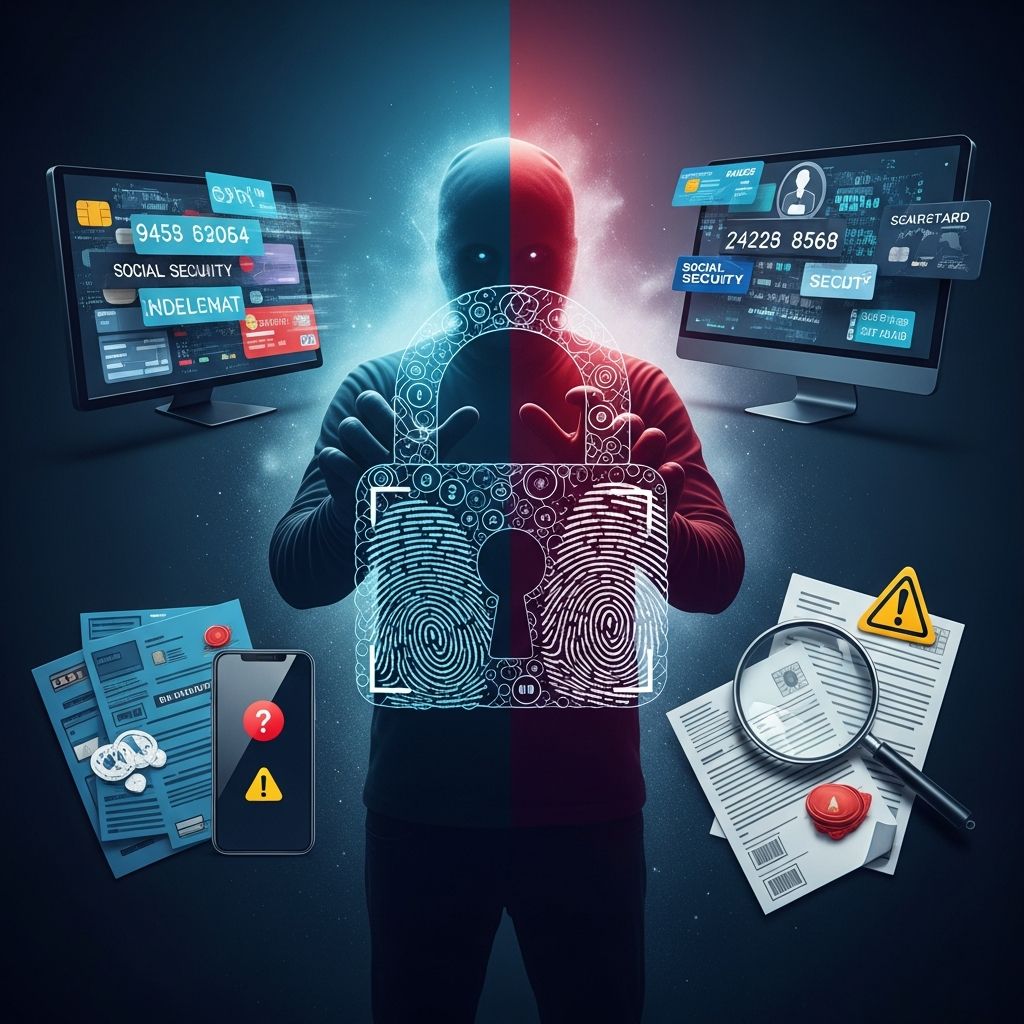
Identity theft occurs when criminals unlawfully acquire and misuse personal or financial details such as names, addresses, Social Security numbers, or bank account information without permission. This crime can lead to severe consequences, including drained bank accounts, damaged credit scores, and legal complications. In 2023, the Federal Trade Commission documented over 1 million identity theft reports, underscoring its prevalence. Early detection is crucial for minimizing harm, as thieves often exploit stolen data silently before victims notice. This article explores prominent indicators, protective strategies, and recovery actions, drawing from authoritative insights to empower you against these threats.
Understanding the Nature of Identity Theft
Thieves obtain sensitive information through diverse channels, including data breaches, phishing schemes, physical theft of wallets or mail, and oversharing on social media. Once armed with details like credit card numbers or Social Security identifiers, perpetrators impersonate victims to commit fraud. Common tactics involve opening unauthorized credit lines, filing fake tax returns, or accessing medical services under false pretenses. Victims might remain unaware for weeks or months, only discovering issues when financial irregularities surface. Vigilance over personal accounts and credit activity forms the first line of defense.
Primary Indicators of Compromised Identity
Recognizing subtle cues can prevent escalation. Here are the most reliable warning signals based on expert analyses:
- Unfamiliar Transactions on Statements: Spotting charges on credit card or bank statements for purchases you didn’t authorize is a top red flag. Thieves often start with small ‘test’ transactions to verify card viability before larger fraud.
- Unexpected Account Inquiries or New Accounts: Credit reports showing inquiries from lenders for applications you never submitted signal fraudulent credit-seeking.
- Sudden Credit Score Decline: An unexplained drop, often from missed payments on bogus debts, impacts FICO scores significantly since payment history weighs heavily.
These signs frequently appear first, prompting immediate investigation.
Detailed Examination of Common Red Flags
1. Irregular Financial Activity
Review monthly statements meticulously. Unrecognized debit card swipes, credit charges, or bank withdrawals demand scrutiny. Criminals hijack pre-saved card details in retail apps or engineer direct fraudulent payments. Enable transaction alerts via SMS or email for real-time notifications to catch issues promptly.
2. Credit Report Anomalies
Regular credit checks reveal unfamiliar inquiries, new accounts, or derogatory marks. If a thief applies for loans using your data, these entries appear, potentially leading to denied legitimate applications or collections calls for unknown debts. Free weekly reports from AnnualCreditReport.com aid in early spotting.
3. Account Access Disruptions
Sudden lockouts from phone, email, or online banking suggest password changes by intruders. SIM swapping, where fraudsters convince carriers to transfer your number, enables two-factor authentication bypass via intercepted codes. If services become inaccessible without your action, act swiftly.
4. Mail and Bill Irregularities
Missing statements or bills redirected indicate address changes filed by thieves to intercept sensitive mail. Conversely, receiving bills for unknown services or cards you didn’t request points to new account openings. Contact issuers immediately if mail patterns shift.
5. Tax and Government Correspondence Issues
Problems e-filing taxes, often due to early fraudulent filings claiming refunds, are telling. Thieves use stolen Social Security numbers for this scam, blocking legitimate submissions.
6. Medical Billing Surprises
Bills for treatments or prescriptions you never received suggest medical identity theft, where imposters use your insurance. This can corrupt health records, affecting future care.
7. Debt Collection Contacts
Calls from collectors about unfamiliar debts mean accounts opened in your name have defaulted.
Comparative Overview of Warning Signs
| Warning Sign | Description | Potential Impact | Action Priority |
|---|---|---|---|
| Unfamiliar Charges | Unknown transactions on statements | Immediate financial loss | High |
| Credit Inquiries | New hard inquiries on report | Credit score damage | High |
| Account Lockouts | Loss of access to own accounts | Full takeover risk | Critical |
| Missing Mail | Bills not arriving | Ongoing fraud undetected | Medium |
| Tax Filing Blocks | Cannot submit returns | Lost refunds, IRS issues | High |
| Medical Bills | Charges for unused services | Health record errors | Medium |
This table summarizes key signs, their implications, and urgency levels for response.
Immediate Response Protocols
Upon suspecting theft:
- Contact affected institutions to freeze accounts and dispute charges.
- Place a fraud alert or credit freeze with Equifax, Experian, and TransUnion.
- File an Identity Theft Report at IdentityTheft.gov and an FTC complaint.
- Change all passwords and enable multi-factor authentication.
- Monitor accounts daily and consider identity theft protection services.
Proactive Prevention Measures
Prevent breaches by shredding documents, using strong unique passwords, avoiding phishing links, and limiting social media disclosures. Regularly monitor credit, use virtual card numbers for online shopping, and opt into account alerts. Government resources like USAGov recommend these habits to fortify defenses.
Real-World Implications and Statistics
Identity theft inflicts billions in annual losses. FTC data shows credit card fraud as a leading type, with victims facing prolonged recovery. Early intervention via monitoring curtails damage, restoring control faster.
Frequently Asked Questions (FAQs)
What should I do first if I spot unauthorized charges?
Report to your bank or card issuer immediately to dispute and potentially reverse transactions, then check for broader compromise.
How often should I check my credit report?
Weekly via AnnualCreditReport.com, especially post-breach notifications, to catch issues early.
Can identity theft affect my health insurance?
Yes, thieves may use it for services, leading to erroneous bills and record contamination.
Is SIM swapping common?
It’s rising, allowing bypass of SMS-based security; use app-based authenticators instead.
What if my mail stops coming?
Verify with senders for unauthorized address changes and initiate fraud probes.
Long-Term Recovery Strategies
Post-incident, update all credentials, notify the IRS if taxes involved, and track credit for residual effects. Professional restoration services can assist, but self-monitoring suffices for many. Persistence ensures full remediation.
In summary, staying alert to these signals empowers proactive protection against identity theft’s pervasive threats. Routine vigilance transforms potential victims into resilient guardians of their financial health.
References
- 5 warning signs your identity has been stolen — WeLiveSecurity (ESET). 2021-12-14. https://www.welivesecurity.com/2021/12/14/5-warning-signs-your-identity-has-been-stolen/
- Identity theft — USAGov (.gov). Accessed 2026. https://www.usa.gov/identity-theft
- 10 Warning Signs of Identity Theft — Experian. Accessed 2026. https://www.experian.com/blogs/ask-experian/warning-signs-of-identity-theft/
- Identity Theft Warning Signs — State of Michigan (.gov). Accessed 2026. https://www.michigan.gov/consumerprotection/protect-yourself/consumer-alerts/id-theft-telemarketing/identity-theft-warning-signs
- Are You a Victim of Identity Theft? Five Signs to Watch For — Sophos. 2022. https://home.sophos.com/en-us/security-news/2022/identity-theft
- 10 Signs Your Identity May Have Been Stolen — American Express. Accessed 2026. https://www.americanexpress.com/en-us/credit-cards/credit-intel/stolen-identity/
Similar Articles








Read full bio of Sneha Tete




