
Social Media And Personal Injury Claims: 5 Protective Steps Now
Discover how everyday social media posts can derail your personal injury compensation and learn strategies to protect your case effectively.
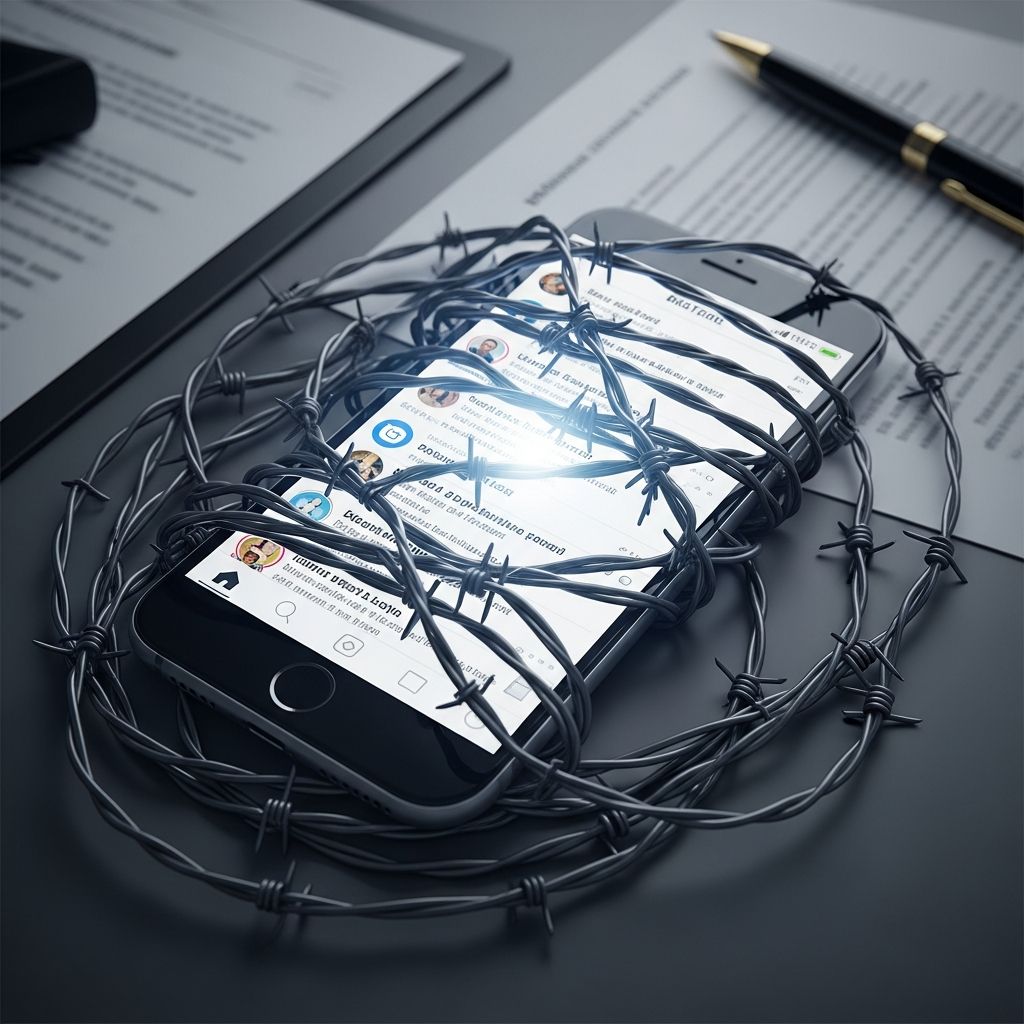
In the digital age, sharing moments on platforms like Facebook, Instagram, and TikTok has become routine. However, for those pursuing personal injury compensation, these posts can transform from harmless updates into powerful weapons against your case. Insurance companies and defense attorneys routinely monitor online activity to find inconsistencies that undermine your claims of pain, limitation, or emotional trauma. This article explores the pitfalls, real-world implications, and protective measures to ensure your social media habits do not jeopardize your financial recovery.
The Surveillance Reality: Why Insurers Watch Your Every Post
Insurance providers employ dedicated teams, often using sophisticated software, to scan claimants’ social profiles from the moment a claim is filed. This practice stems from their incentive to minimize payouts; any digital footprint suggesting normalcy or recovery can reduce settlement values significantly. Posts are not private opinions but admissible evidence in court, as they fall outside protected communications.
Defendants can request access through legal discovery processes, compelling production of profiles, messages, and tagged content. Even private accounts are vulnerable if friends or family share material. Deleting posts often backfires, signaling an attempt to conceal information, which erodes credibility with judges and juries.
Key Dangers: How Posts Undermine Physical Injury Narratives
One of the most common sabotage tactics involves visuals that clash with reported physical limitations. Claimants describing chronic back pain or mobility issues may post images of standing at events, lifting objects, or engaging in light exercise. These snapshots, stripped of context, paint a picture of full functionality.
- Gym or fitness content: A selfie mid-workout implies strength and endurance inconsistent with injury complaints.
- Event attendance: Photos dancing at parties or hiking trails contradict claims of severe restrictions.
- Family interactions: Holding children or participating in sports events suggests capabilities beyond medical reports.
In one documented instance, a claimant alleging spinal damage from a vehicle collision saw their case weakened by a video of pool play, despite needing surgery. Such evidence shifts juror perceptions, making plaintiffs appear exaggerated or dishonest.
Emotional and Mental Health Claims Under Attack
Beyond physical proof, social media challenges non-economic damages like pain, suffering, and psychological distress. Posts depicting joy—laughing at gatherings, vacation check-ins, or celebratory updates—can be weaponized to argue against depression or trauma narratives. Insurers portray these as evidence of a thriving life, ignoring the temporary nature of such moments.
| Claim Type | Risky Post Example | Potential Defense Argument |
|---|---|---|
| Chronic Pain | Standing photo at concert | “If they can enjoy events, pain is minimal.” |
| Emotional Distress | Video laughing with friends | “No signs of ongoing suffering.” |
| Lost Enjoyment of Life | Travel location tag | “Active lifestyle contradicts limitations.” |
This table illustrates how isolated positives are amplified to dismiss holistic suffering. Mental health claims are particularly fragile, as outward cheer does not negate internal struggles.
Admissions of Fault: The Venting Trap
Impulsive status updates or comments often reveal unintended confessions. Phrases like “I wasn’t paying attention” or apologetic remarks can be interpreted as liability admissions. Even neutral reflections, such as “It happened so fast,” fuel arguments of negligence or distraction.
Friends’ posts pose additional risks; tagged rants or shared opinions become discoverable. Avoiding case discussions entirely is crucial, as any online dialogue invites misinterpretation.
Legal Mechanisms: Discovery and Admissibility
Social media content is routinely subpoenaed in litigation. Courts have upheld broad discovery requests, granting access to historical data unless privileged. Federal Rules of Civil Procedure allow relevance-based demands, and plaintiffs must comply or risk sanctions.
Strategy tip: Set accounts to private immediately post-incident, but recognize surveillance persists via public shares or investigators. Consult attorneys before alterations to avoid spoliation claims.
Real-World Case Studies: Lessons from the Courtroom
Consider a motor vehicle accident victim claiming whiplash and limited neck mobility. A tagged beach video showing carefree swimming led to a sharply reduced settlement, as the defense highlighted apparent vigor. In another, a slip-and-fall plaintiff alleging ankle immobility posted lifting weights; the case settled for pennies on the dollar.
These examples, drawn from legal precedents, underscore that context rarely matters—optics dominate. A 2024 Virginia case saw dismissal motions granted over gym selfies contradicting medical testimony.
Protective Strategies: Safeguarding Your Claim
- Pause Posting: Take an indefinite break from public sharing during litigation.
- Privacy Audit: Review and lock profiles, remove tags, and instruct contacts to avoid mentions.
- Attorney Guidance: Route all case-related communication through legal counsel.
- Monitor Networks: Politely ask family and friends to refrain from tagging or posting about you.
- Digital Hygiene: Archive old content privately; never delete actively.
Proactive steps preserve narrative integrity. Many firms recommend total abstinence for optimal outcomes.
Frequently Asked Questions (FAQs)
Can insurance companies access private social media accounts?
Direct access is limited, but discovery subpoenas often compel disclosure. Public posts and tagged content are immediately scannable.
Is deleting old posts safe?
No—deletions can imply evidence tampering, harming credibility more than the original post.
What if friends post about me?
Request they untags or privatize; such content remains usable if discovered.
Do likes or comments count as evidence?
Yes, they can indicate opinions or associations contradicting claims.
How long should I avoid social media?
Until case resolution, including appeals, to eliminate risks.
Long-Term Implications and Best Practices
Beyond immediate settlements, damaged credibility affects future claims or employment. Cultivate offline habits: journals for venting, in-person support networks. Post-resolution, gradually resume with heightened caution.
Education empowers; understanding these dynamics equips claimants to prioritize recovery over shares. Personal injury law evolves with technology, but core principle endures: consistency wins compensation.
References
- Social Media, Your Case: Why One Post Can Ruin Your Settlement — Elk and Elk. 2023. https://www.elkandelk.com/social-media-and-your-case-why-one-post-can-ruin-your-settlement/
- How Innocent Social Media Posts Can Sabotage Your Personal Injury Claim — Gentry Locke Attorneys. 2024-10-31. https://www.gentrylocke.com/article/picture-perfect-how-innocent-social-media-posts-can-sabotage-your-personal-injury-claim/
- How Social Media Can Destroy Your Personal Injury Case — The Wilson PC. 2024. https://www.thewilsonpc.com/blog/how-social-media-can-destroy-your-personal-injury-case/
- How Social Media Investigations Can Ruin a Personal Injury Case — Pendergast Law. 2024. https://www.pendergastlaw.com/blog/how-social-media-investigations-can-ruin-a-personal-injury-case/
- Federal Rules of Civil Procedure, Rule 34 — United States Courts (gov). 2023-12-01. https://www.uscourts.gov/rules-policies/current-rules-practice-procedure/federal-rules-civil-procedure/2023-12-01/rules-civil-procedure-plaintiffs-and-defendants
Similar Articles








Read full bio of medha deb




