
Social Media For Attorneys: 4 Platforms, Ethics, 2025 Guide.
Discover how lawyers leverage social platforms for client growth, networking, and ethical marketing in the digital age.
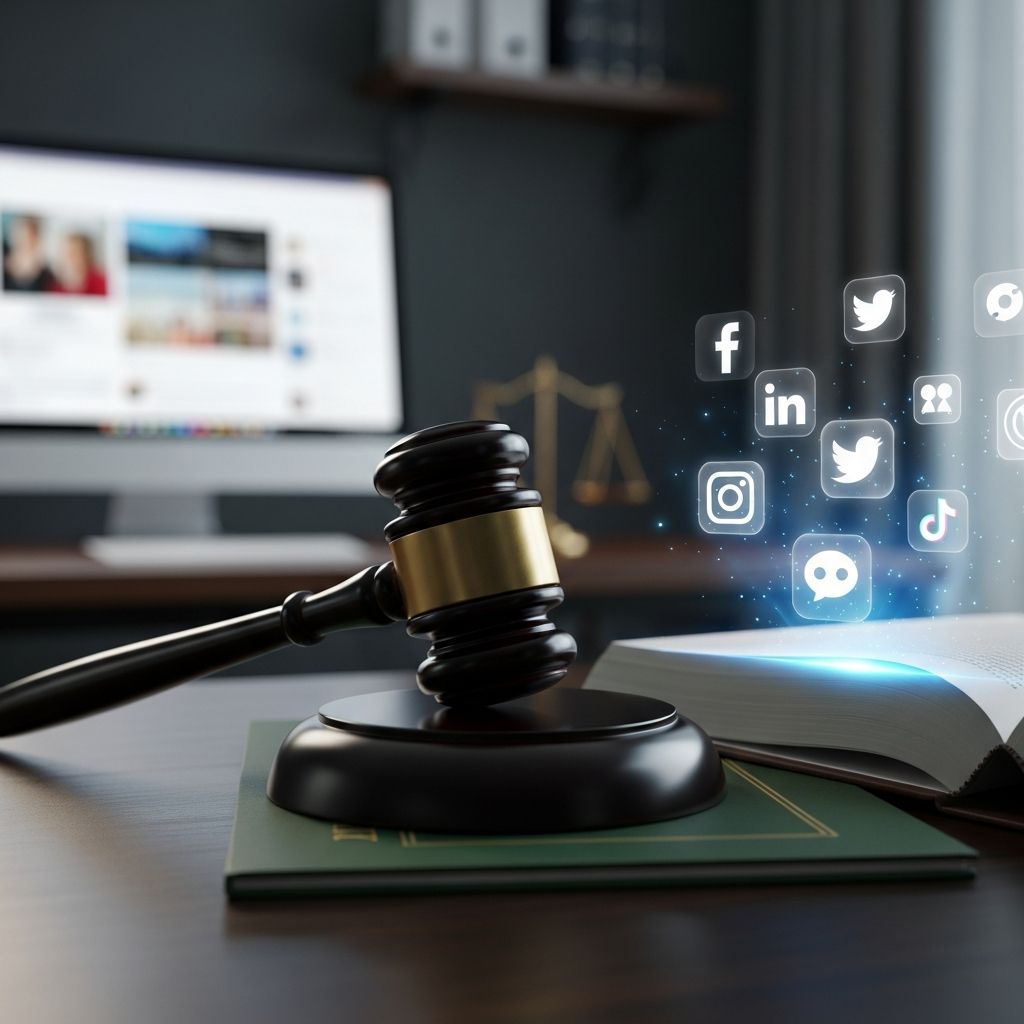
Attorneys today operate in a digital landscape where social media serves as a vital tool for professional advancement. With billions of users worldwide, platforms like LinkedIn, Facebook, and Instagram offer unprecedented opportunities to connect with potential clients, peers, and communities. According to recent surveys, a significant majority of law firms—84%—actively employ social media for marketing their services. This shift reflects not just technological evolution but a strategic recognition of social networks’ power in client acquisition and brand building.
Why Attorneys Are Embracing Digital Platforms
The legal profession has long relied on traditional networking, but social media expands these efforts exponentially. It transcends physical boundaries, enabling lawyers to engage global audiences and share expertise instantaneously. Key drivers include heightened visibility, lead generation, and thought leadership establishment. For instance, platforms facilitate direct interaction with prospective clients through educational content, fostering trust before formal consultations.
Statistics underscore this trend: 81% of lawyers use social media, with 31% reporting new client acquisitions directly from their online presence. Facebook stands out as a lead-generation powerhouse, utilized by 57% of firms and boasting over 2 billion daily users. These figures highlight social media’s role in democratizing access to legal services, particularly for solo practitioners and small firms competing with larger entities.
Choosing the Right Platforms for Legal Practices
Not all social networks suit every attorney. Selection depends on target demographics, practice areas, and content goals. Here’s a breakdown:
- LinkedIn: Ideal for professional networking and B2B connections. With 96% of attorneys maintaining profiles, it’s the go-to for sharing articles, joining groups, and positioning as industry experts.
- Facebook: Perfect for community engagement and broad reach, especially among 25-34-year-old males. Firms use it for updates, events, and targeted ads.
- Instagram: Humanizes practices through visuals of community work and firm culture, appealing to younger audiences seeking relatable legal guidance.
- X (formerly Twitter): Suited for real-time discussions on legal trends and quick insights, building thought leadership via concise posts.
Table comparing platform suitability:
| Platform | Best For | Audience | Lead Potential |
|---|---|---|---|
| Networking, Thought Leadership | Professionals | High | |
| Community Engagement, Ads | General Public (25-34 males) | Very High | |
| Brand Humanization | Younger Demographics | Medium | |
| X | Trend Discussions | Legal Community | Medium |
Content Creation Essentials for Lawyers
Effective content educates without soliciting. Attorneys should prioritize value-driven posts: legal tips, case studies (anonymized), industry news, and firm milestones. Short written pieces with engaging hooks perform well across platforms. Videos and infographics boost interaction, humanizing the attorney while showcasing expertise.
A strategic example: Post a LinkedIn article on personal injury claims with a call-to-action linking to a consultation form. This drives traffic and converts viewers into clients. Maintain professionalism—avoid hype, ensure accuracy, and use disclaimers for general advice.
Networking and Community Building Online
Social media redefines legal networking by offering diverse perspectives and knowledge exchange. Attorneys connect globally, discuss case law, and collaborate on trends. Joining LinkedIn groups or participating in X threads elevates profiles, positioning lawyers as go-to resources.
Benefits include:
- Exposure to international legal approaches.
- Real-time updates on regulatory changes.
- Fostering referral partnerships.
Navigating Ethical Boundaries in Digital Spaces
Ethical use is paramount. ABA Model Rules guide conduct: Rule 7.3 prohibits coercive solicitation via direct messages or comments unless pre-existing relationships exist. Confidentiality under Rule 1.6 demands caution—never share case details, even anonymized if identifiable.
Judges and attorneys must avoid ex parte communications or impartiality breaches, like friending case participants. The ABA Commission on Ethics 20/20 provides frameworks for technology’s impact, clarifying when online activity forms attorney-client relationships. State bars echo this: General posts are fine, but targeted outreach risks violations.
Best practices:
- Include disclaimers: “This is not legal advice.”
- Refrain from commenting on active cases.
- Maintain professionalism; avoid disparagement.
Monetizing Social Presence Through Advertising
Paid campaigns amplify reach ethically. Facebook’s targeting tools allow precise demographics, boosting engagement and leads. Compliance requires clear disclosures and non-misleading claims. Track ROI via analytics to refine strategies.
Measuring Success and ROI
Success metrics include engagement rates, website traffic, and client inquiries. Tools like platform insights help attorneys gauge post performance and adjust tactics. Firms reporting leads from social media validate its efficacy.
Frequently Asked Questions (FAQs)
Can lawyers use social media to solicit clients?
Yes, but ethically: Provide informational content, avoid direct real-time solicitations unless exceptions apply under ABA Rule 7.3.
What content should attorneys avoid posting?
Avoid case specifics, client identifiers, misleading claims, or anything compromising confidentiality or impartiality.
Which platform generates the most leads for law firms?
Facebook tops the list, with high lead generation reported by firms per 2023 benchmarks.
How often should lawyers post on social media?
Consistency matters: 3-5 times weekly, balancing quality and frequency to maintain engagement without overwhelming audiences.
Do I need disclaimers on every post?
Recommended for advice-like content to prevent unintended attorney-client relationships.
Future Trends in Legal Social Media
Emerging video platforms like TikTok see ‘lawfluencers’ gaining traction, with millions following legal tips. AI tools for content scheduling and analytics will streamline efforts. As adoption grows—projected to near 100%—ethical guidelines will evolve, emphasizing transparency and value.
In summary, social media empowers attorneys to thrive digitally when used strategically and ethically. By focusing on education, networking, and compliance, lawyers not only attract clients but elevate the profession’s public image.
References
- The Complete Guide to Social Media for Lawyers and Law Firms — Clio. 2024. https://www.clio.com/resources/digital-marketing-lawyers/social-media-lawyers/
- How Attorneys Can Use Social Media Marketing Effectively and Ethically — New York City Bar Association. 2024. https://www.nycbar.org/reports/how-attorneys-can-use-social-media-marketing-effectively-and-ethically/
- Social Media for Law Firms: The Strategic Guide — MyCase. 2024. https://www.mycase.com/blog/law-firm-marketing/social-media-for-law-firms/
- Social Media Marketing for Law Firms — North Carolina Bar Association. 2024-11. https://www.ncbar.org/nc-lawyer/2024-11/social-media-marketing-for-law-firms-who-what-why-when-where-how/
- Legal Ethics and Social Media — UNC School of Government. 2016. https://www.sog.unc.edu/sites/www.sog.unc.edu/files/course_materials/ncbarjournal_fall2016_mclaughlin_ethics_article.pdf. Note: Retained for authoritative ABA survey data.
- Social Media Use by Legal Professionals — Georgetown Law. 2024. https://www.law.georgetown.edu/legal-ethics-journal/blog/social-media-use-by-legal-professionals/
- Social Media Compliance for Attorneys & Law Firms — HCH Lawyers. 2024. https://www.hchlawyers.com/social-media-law/compliance-for-legal-influencers/
Similar Articles








Read full bio of Sneha Tete




