
Skiing Injuries: Legal Options for Recovery
Understand when you can pursue compensation after a skiing mishap and the key factors that determine liability on the slopes.
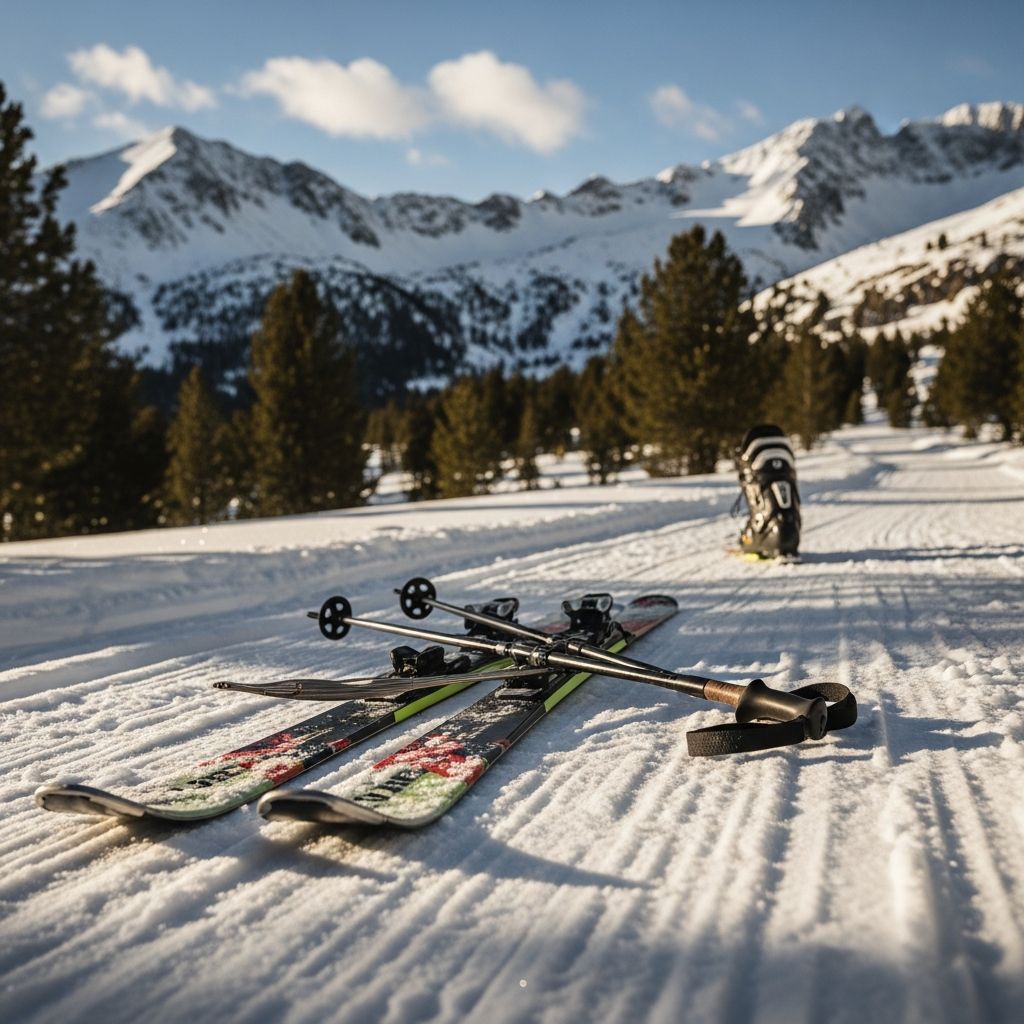
Skiing offers thrilling experiences on snow-covered mountains, but accidents can lead to serious injuries. While many incidents fall under inherent risks of the sport, certain circumstances allow injured individuals to seek compensation through legal action. This article examines the boundaries of liability in skiing mishaps, helping you determine viable paths to recovery.
Understanding Risks in Snow Sports
Snow sports like skiing and snowboarding carry unavoidable dangers. Participants accept these when strapping on skis. Legal doctrines such as assumption of risk protect operators from claims arising from typical hazards.
In many jurisdictions, statutes define inherent risks. For instance, New York’s Safety in Skiing Code outlines dangers like variable snow conditions and natural obstacles that skiers assume. Courts often dismiss cases where injuries stem from these expected elements, emphasizing personal responsibility.
- Collisions with trees or rocks on marked trails.
- Falls due to icy patches or changing weather.
- Basic errors in technique by inexperienced skiers.
However, this protection has limits. If a hazard exceeds normal expectations or results from poor maintenance, liability may shift.
When Resorts Face Accountability
Ski resorts must uphold safety standards. Neglecting these duties can open doors to lawsuits. Key failures include inadequate slope grooming, unmarked obstacles, or malfunctioning lifts.
Consider lift operations: operators are required to halt chairs promptly if a rider falls or becomes entangled. A New York case highlighted liability when this protocol failed, injuring a passenger. Similarly, resorts cannot ignore artificial hazards like exposed equipment or poorly secured boundaries.
| Resort Duty | Example Breach | Potential Liability |
|---|---|---|
| Slope Inspection | Unmarked icy spot from grooming machine | Yes, if not open and obvious |
| Lift Maintenance | Failure to stop lift during entanglement | High, violates safety codes |
| Hazard Signage | No warning for snowmaking piles | Possible, per European precedents |
Proving negligence requires showing the resort owed a duty, breached it, caused the harm, and resulted in damages. Resorts owe paying guests a reasonable standard of care, akin to other public venues.
Collisions Between Participants
Skier-on-skier impacts are common. While inherent, reckless conduct elevates them to negligence claims. A snowboarder skiing out of control or ignoring speed limits can be sued directly.
In Colorado, reckless skiers bear responsibility for damages they cause. Resorts may share fault if overcrowding or lax enforcement contributed. For novices, instructors hold heightened duties; advancing a fearful beginner to risky terrain without proper skills led to liability in one appellate ruling.
- Report the incident immediately to ski patrol.
- Exchange contact details with the other party.
- Document speed, visibility, and behavior.
The Role of Waivers and Agreements
Tickets and rentals often include waivers. These bar ordinary negligence claims but falter against gross negligence or statutory violations. A Colorado ruling invalidated a waiver when a resort breached lift safety laws.
European contexts differ slightly; Italian courts require plaintiffs to prove causation, but operators cannot evade if slopes are negligently prepared. Always read fine print, but know its limits.
Immediate Steps After an Incident
Post-accident actions preserve claims. Prioritize medical care, then gather evidence.
- Alert ski patrol and seek treatment.
- Photograph injuries, scene, and hazards.
- Secure witness contacts and operator reports.
- Avoid signing statements without counsel.
- Contact a lawyer promptly.
Delays erode evidence; snow melts, memories fade.
Navigating Time Limits for Claims
Statutes of limitations vary. Some states mandate notice within 90 days, suits within one year. Others allow two years. International trips complicate matters, often requiring local or package-tour operators as defendants.
Missing deadlines bars recovery. Act swiftly to investigate and file.
Proving Your Case: Evidence Essentials
Success hinges on documentation. Expert reconstructions, medical records, and patrol logs build causation. In Italy, witness statements and dynamics reports are crucial.
Damages cover medical bills, lost wages, pain, and long-term impairment. Resorts defend vigorously, citing inherent risks.
Potential Defendants Beyond Resorts
Liability extends widely:
- Instructors: For inadequate training or risky decisions.
- Equipment Providers: Faulty rentals or bindings.
- Tour Operators: Poor organization abroad.
- Fellow Skiers: Reckless collisions.
Multiple parties may contribute, allowing shared fault recovery.
International Skiing Complications
Vacation injuries abroad involve foreign laws. EU directives hold operators accountable for negligence, like unsecured slopes. Package deals implicate tour firms under consumer protections. Seek specialists in cross-border claims.
Frequently Asked Questions
Can I sue for a simple fall on a slope?
No, if due to inherent risks like ice or terrain. Yes, if from negligence like poor grooming.
Do waivers always protect resorts?
No, not for gross negligence or safety law breaches.
What if another skier hits me?
Sue them for recklessness; resort if they enabled it.
How soon must I file a claim?
Check local statutes; often 1-2 years, some shorter.
Are novice lessons risk-free?
Instructors liable for mismatches in skill and terrain.
Choosing Legal Representation
Experienced attorneys assess viability, negotiate settlements, or litigate. Many work on contingency, paid only if you win. Evaluate track records in snow sports cases.
In summary, while skiing’s dangers limit claims, negligence creates opportunities for justice. Thorough evidence and timely action maximize outcomes.
References
- Skiing Accidents To Sue Or Not To Sue — Dorazio & Peterson. 2021-12. https://www.doraziopeterson.com/skiing-accidents-to-sue-or-not-to-sue/
- Can You Sue a Ski Resort for an Accident: Top 3 Facts — Williams & Caputo. N/A. https://www.williamscaputo.com/blog/can-you-sue-a-ski-resort-for-an-accident/
- Ski Resort Accidents: Can You Sue for Injuries on the Slopes? — Jensen Bagnato Law. N/A. https://www.yourphiladelphialawyers.com/blog/ski-resort-accidents-can-you-sue-for-injuries-on-the-slopes/
- Accident Abroad Solicitors: Skiing Accident Claim — Hudgell Solicitors. N/A. https://www.hudgellsolicitors.co.uk/accidents-and-injury-abroad/skiing-accident-claim
- Skiing Accident in Italy: Who is Civilly Liable? — Kanzlei Brenner. N/A. https://kanzlei-brenner.it/en/legal-tips/skiing-accident-in-italy-who-is-civilly-liable/
- Ski Law Resources — Chalat Hatten & Banker. N/A. https://skilaw.com/resources/
Similar Articles








Read full bio of Sneha Tete




