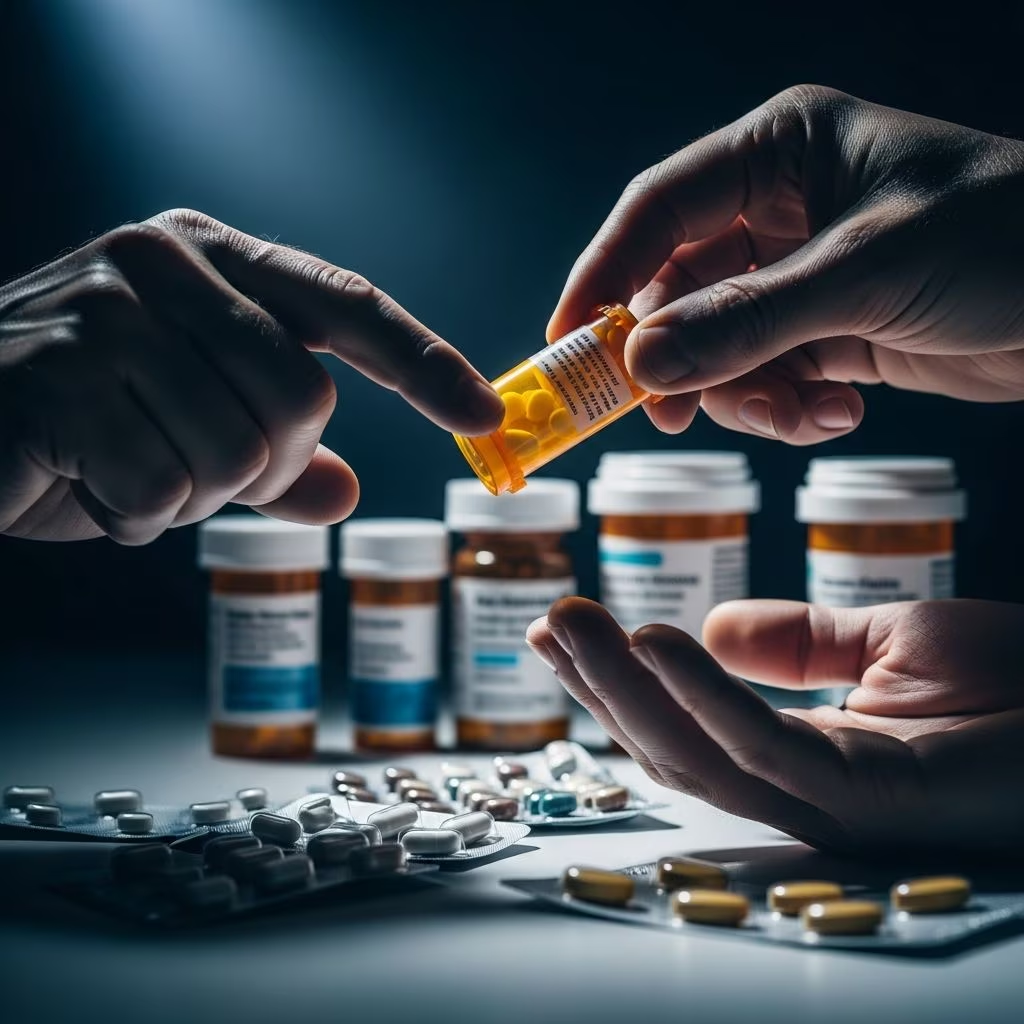
Prescription medications are tightly regulated for good reason—they treat specific conditions for individual patients under medical supervision. Yet, many people casually offer their pills to friends or family, thinking it’s a simple act of kindness. In reality, this practice violates federal and state laws, exposes others to serious health dangers, and can result in criminal prosecution. This comprehensive guide explores the legal framework, potential penalties, health implications, common misconceptions, and proper ways to handle unused drugs.
Why Prescription Drugs Are Strictly Controlled
Controlled substances, including opioids like hydrocodone, stimulants like Adderall, and benzodiazepines like Xanax, fall under schedules defined by the Drug Enforcement Administration (DEA). These schedules classify drugs based on their potential for abuse and medical value. Sharing them bypasses the prescription process, which ensures the drug is appropriate for the recipient’s health profile, dosage needs, and interactions with other conditions or medications.
Doctors prescribe these drugs after evaluating a patient’s history, weight, age, and allergies. What works safely for one person might cause overdose, allergic reactions, or worsened conditions in another. Federal law mandates that prescriptions bear the patient’s name, making transfer to anyone else illegal.
The Legal Definition of Sharing and Distribution
Under U.S. law, sharing prescription drugs constitutes distribution of a controlled substance. Even giving a single pill to a friend qualifies, regardless of intent or lack of payment. The Controlled Substances Act (CSA) prohibits anyone other than the prescribed individual from possessing or transferring these drugs without authorization.
State laws align with federal statutes but vary in severity. For instance, in Maryland, handing one Xanax pill to a friend is distribution—a misdemeanor—but escalating to multiple recipients or sales becomes trafficking, a felony. Intent to help doesn’t excuse the act; prosecutors view it as undermining public safety and contributing to diversion into illegal markets.
Criminal Penalties: From Fines to Felony Prison Time
Consequences depend on the drug’s schedule, quantity, recipient’s status, and jurisdiction. Here’s a breakdown:
| Offense Type | Typical Penalties | Examples |
|---|---|---|
| Simple Possession (No Prescription) | Misdemeanor: Up to 1 year jail, fines up to $1,000 | One Adderall pill without Rx |
| Distribution (Sharing Small Amount) | Misdemeanor/Felony: 1-5 years prison, fines $5,000-$25,000 | Giving hydrocodone to a friend |
| Trafficking (Large Quantities/Sales) | Felony: 5-20 years prison, fines up to $1M | Selling prescription opioids repeatedly |
Additional repercussions include probation, mandatory drug education, loss of driving privileges, and a permanent criminal record affecting employment, housing, and professional licenses. Both the giver and receiver can face charges.
Health Hazards of Unauthorized Medication Use
Beyond legality, sharing poses grave risks. Medications aren’t one-size-fits-all:
- Dosage Mismatch: An adult dose can overdose a child or elderly person.
- Allergic Reactions: Hidden allergies lead to anaphylaxis or organ damage.
- Drug Interactions: Combining with the recipient’s meds causes heart issues or respiratory failure.
- Expired or Improperly Stored Drugs: Lose potency or become toxic in heat/humidity.
- Addiction Potential: Contributes to the opioid crisis; over 11 million misused prescriptions in 2017 alone.
Antibiotics shared improperly foster antibiotic-resistant bacteria, a global health threat. ADHD stimulants abused by teens cause heart attacks or psychosis.
Common Scenarios Where Sharing Occurs
People share for convenience, cost-saving, or urgency:
- Painkillers after surgery offered to a friend with headaches.
- Antibiotics for someone avoiding a doctor visit.
- Anxiety meds lent during stressful times.
- Allergy or asthma inhalers in emergencies.
Studies show painkillers, antibiotics, antidepressants, and sleep aids are most shared, often to dodge doctor fees or access issues. Even identical symptoms don’t justify it—each prescription is personalized.
Exceptions and Special Cases
Rare allowances exist. In 38 states, unused, unexpired prescriptions can be donated to approved programs for the needy, under strict protocols like secure drop-offs. Marijuana sharing (no sale) is legal for adults 21+ in some states, but not other controlled drugs.
Parents administering a child’s prescription in emergencies isn’t sharing, but transferring to unrelated parties is prohibited. Over-the-counter drugs like ibuprofen remain legal to share.
What to Do If You’re Facing Charges
If accused of sharing:
- Contact a Lawyer Immediately: A criminal defense attorney can challenge evidence, negotiate pleas, or argue defenses like lack of intent.
- Gather Evidence: Prescriptions, medical records, witness statements.
- Avoid Self-Incrimination: Invoke your rights; don’t discuss with police without counsel.
- Explore Diversion Programs: First-time offenders may qualify for probation or rehab instead of jail.
Outcomes improve with early legal intervention.
Safe Alternatives for Unused Medications
Don’t share—dispose properly:
- Drug Take-Back Programs: DEA events or pharmacies accept controlled substances.
- At-Home Disposal: Mix with unpalatable substances (coffee grounds), seal in bags, trash.
- Donation Where Allowed: Check state laws for eligible meds.
Educate friends: Suggest they see a doctor. Report suspicious requests to authorities if needed.
Frequently Asked Questions (FAQs)
Is it ever okay to give my prescription painkiller to a family member?
No, it’s illegal and dangerous, even for relatives. Each person needs their own evaluation and prescription.
What if I just give one pill—will I get arrested?
Yes, even a single pill is distribution. Penalties start as misdemeanors but can escalate.
Can I be charged if I receive shared drugs?
Absolutely—possession without a prescription is illegal for the recipient too.
Are there programs to donate my extra pills?
Yes, in 38 states, but only unopened, unexpired drugs at designated sites.
Why is sharing antibiotics a problem?
It promotes resistance and improper treatment, worsening infections.
Preventing Accidental Violations
Store meds securely, out of reach. Educate household members on laws. Use pill organizers labeled with your name. If a friend asks, firmly decline and urge professional care.
Public awareness campaigns emphasize: “Your meds, your prescription—keep it that way.” Reducing sharing curbs addiction, overdoses, and crime.
References
- Is it legal to share prescription medications? — Salvado Law Offices. 2023. https://www.salvadolaw.com/blog/is-it-legal-to-share-prescription-medications
- Could I Go to Jail for Sharing Prescription Drugs? — Maryland Criminal Defense Lawyer. 2025-03-26. https://www.mdcriminaldefenselawyer.com/blog/could-i-go-to-jail-for-sharing-prescription-drugs
- What is the Penalty for Sharing Prescriptions? — Primrose Lodge. 2023. https://www.primroselodge.com/blog/health-and-wellbeing/what-is-the-penalty-for-sharing-prescriptions/
- The Dangers of Sharing Prescription Medications — Valleywise Health. 2023. https://valleywisehealth.org/blog/the-dangers-of-sharing-prescription-medications/
- Don’t Share Prescription Drugs — PAStop.org (Pennsylvania Department of Drug and Alcohol Programs). 2023. https://pastop.org/prevention-professionals/initiatives/care/
- Can Unused Prescription Drugs Be Donated? — The Recovery Village. 2023. https://www.therecoveryvillage.com/prescription-drug-addiction/can-unused-drugs-be-donated/