
Senior Pranks: 7 Safe Alternatives To Avoid Arrests And Fines
Discover how innocent senior pranks can escalate to arrests, fines, and lifelong records—learn safe alternatives and legal pitfalls.
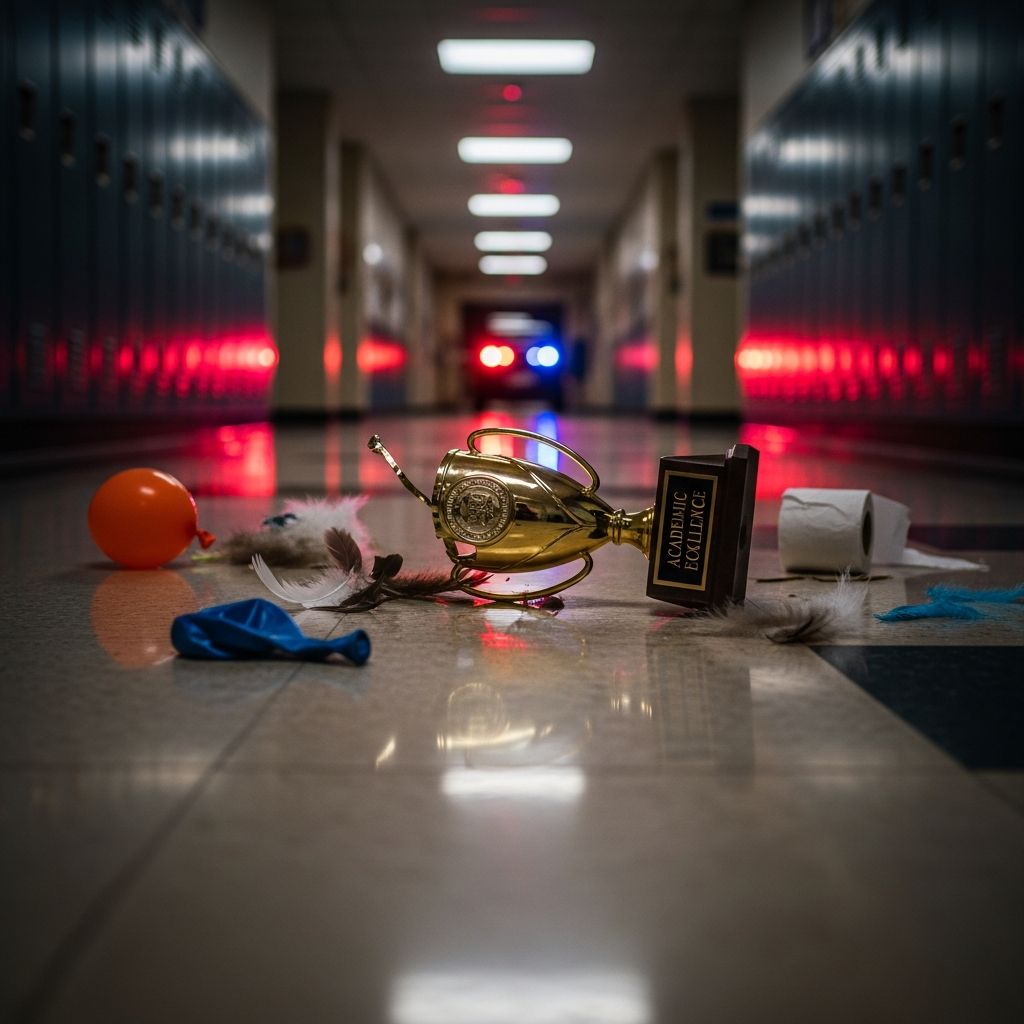
High school graduation marks a thrilling milestone, and for many seniors, it’s tradition to cap off their years with memorable pranks. These antics range from playful surprises to outright chaos, but what starts as harmless fun can quickly spiral into legal nightmares. Vandalism charges, trespassing violations, and even assault allegations have derailed promising futures for countless teens. This article delves into the hidden dangers, shares real-world examples, offers safe alternatives, and provides essential guidance to keep celebrations on the right side of the law.
The Allure and Hidden Risks of Senior Pranks
Senior pranks symbolize the culmination of teenage rebellion and camaraderie. Groups of friends sneak out late at night, fueled by excitement and the promise of legendary status. However, the line between mischief and crime blurs easily. School administrators, local police, and even federal laws draw strict boundaries around school property and public safety.
Consider the psychological pull: pranks foster a sense of belonging and create stories for years to come. Yet, statistics from school districts nationwide reveal a darker side. Disruptive actions lead to suspensions, missed graduations, and criminal records that haunt college applications and job interviews. In one documented case, a group of seniors faced felony charges for a prank involving property damage exceeding $1,000, turning their cap-and-gown dreams into court appearances.
- Psychological Factors: Peer pressure and end-of-year adrenaline often override judgment.
- Escalation Potential: What seems minor—like filling hallways with balloons—can cause slips, injuries, or cleanup costs billed to participants.
- Long-Term Impact: Juvenile records may seal, but misdemeanors follow into adulthood.
Common Pranks That Trigger Police Involvement
Not all pranks are equal. Some stay lighthearted, while others invite handcuffs. Here’s a breakdown of frequent offenders:
| Prank Type | Potential Crime | Real-World Consequence |
|---|---|---|
| Property Defacement (e.g., graffiti, slime dumps) | Vandalism | Fines up to $10,000, restitution, community service |
| Unauthorized Entry After Hours | Trespassing | Arrest, misdemeanor charges, school expulsion |
| Fake Weapons or Disguises in Public | Disorderly Conduct/Threats | Police detention, weapons charges if realistic |
| Releasing Animals or Substances | Cruelty/Public Health Hazard | Animal control involvement, health code violations |
| Tech Disruptions (hacking announcements) | Cyber Vandalism | Federal investigation under CFAA |
These examples highlight how intent rarely matters—perceived harm does. Courts focus on damage, disruption, and danger, not ‘just kidding’ defenses.
Case Studies: When Pranks Turned into Criminal Cases
Real stories underscore the stakes. In a New York high school, the ‘Senior Assassin’ game—where players stalk each other with water guns or fake weapons—led to multiple police detentions. Students lurking in disguises mimicked suspicious behavior in a post-9/11 world, prompting 911 calls and interventions by sheriffs. One participant faced adult fines for carrying a realistic prop gun, despite no intent to harm.
Another incident involved seniors flooding school bathrooms with dyed water. Cleanup costs topped $5,000, resulting in vandalism charges and revoked diplomas. In California, a prank hacking the PA system to blast alarms triggered a lockdown, exposing teens to felony computer fraud accusations. These cases, drawn from school reports and news archives, show patterns: night-time access equals trespassing, any mess equals vandalism, and public fright equals disorderly conduct.
Legal experts note that schools classify disruptions under zero-tolerance policies. Board rules often mirror state penal codes, amplifying consequences. A single night’s fun can mean missing prom, graduation, or scholarships.
Legal Boundaries: What Crosses the Line?
Understanding statutes prevents disaster. Trespassing occurs upon unauthorized entry, even for alumni nostalgia. Vandalism kicks in at any property alteration without permission—paint, tape, or relocated furniture counts. Assault charges arise from pranks causing fear, like jump scares with props.
Juvenile justice varies by state, but common outcomes include:
- Probation and counseling for first offenses.
- Restitution payments from personal or family funds.
- Expungement possible post-18, but not guaranteed.
Federal laws apply if pranks involve interstate tech or schools receiving public funds. Always check local codes—apps like state judiciary sites offer free access.
Safe and Creative Prank Alternatives
Fun doesn’t require risk. Opt for admin-approved ideas that build memories without mugshots. These have succeeded in schools nationwide:
- Sticky Note Art: Blanket a teacher’s door or hallway wall in colorful notes forming class mottos. Easy cleanup, zero damage.
- Class Year Mosaics: Arrange safe items like toothpicks or cups on floors to spell ‘Class of 2026.’ Sweep away post-photo.
- Inverted Furniture: Flip chairs in common areas overnight. Quick reset, big laughs.
- Bubble Wrap Surprises: Line floors or wrap desks—popping pleasure without residue.
- Ceiling Decor: Suspend lightweight, school-themed items like paper cutouts (with ladder safety).
- Balloon Barrages: Fill non-slip areas; volunteer for deflation.
- Legacy Cards: Hide printed cards declaring senior pride in vents or bookshelves for future discoveries.
Pro Tip: Pitch ideas to principals weeks ahead. Gain blessings, assign cleanup crews, and document consent. This transforms potential trouble into celebrated tradition.
Preventing Pranks from Going Wrong: A Parent and Student Guide
Parents, talk early. Discuss boundaries, consequences, and alternatives. Monitor social media for prank planning. Schools, communicate policies via assemblies.
Students, appoint a ‘safety captain’ per group. Scout locations daytime, calculate costs, and have exit plans. If police arrive, comply silently—lawyers later.
Communities benefit from awareness. Games like Senior Assassin thrive on campuses but alarm neighborhoods. Opt for private venues or virtual versions to sidestep patrols.
Frequently Asked Questions (FAQs)
Can any senior prank lead to arrest?
Yes, if it involves damage, trespass, or threats. Even ‘harmless’ acts like blocking doors can charge endangerment. Always prioritize safety and permission.
What should I do if caught mid-prank?
Stop immediately, identify yourselves, and cooperate. Do not run or argue—request parents and legal counsel.
Do juvenile records affect college?
Potentially yes, via background checks. Expungement helps, but prevention is best.
Are there prank insurance policies?
No formal ones, but schools may cover minor fixes if pre-approved. Otherwise, personal liability applies.
How to make pranks inclusive?
Involve diverse groups, avoid allergens or phobias, and ensure accessibility.
Building Positive Senior Legacies
Beyond pranks, channel energy into service. Organize cleanups, talent shows, or time capsules. These forge pride without peril. Advisors from groups like Future Business Leaders of America offer structured fun.
Graduation is a launchpad—protect it. By choosing wisely, seniors craft tales of triumph, not trials. Share your safe prank stories in comments below!
References
- The Dangers Of A “Senior Prank” — RCS High School. 2023-05-01. https://www.rcscsd.org/o/rcs-high/article/1606002
- Harmless Senior Pranks that Won’t Get You in Trouble — Fastweb. 2024-03-15. https://www.fastweb.com/student-life/articles/harmless-senior-pranks-that-won-t-get-you-in-trouble
- Legal Analyst: Concerns over senior pranks — Queen City News (YouTube). 2023-11-10. https://www.youtube.com/watch?v=HnFwLhej6g0
Similar Articles








Read full bio of medha deb




