
Essential Guide to Selecting Law Firm Office Space
Discover key factors for choosing the perfect office space to boost your law firm's productivity, client satisfaction, and long-term growth.
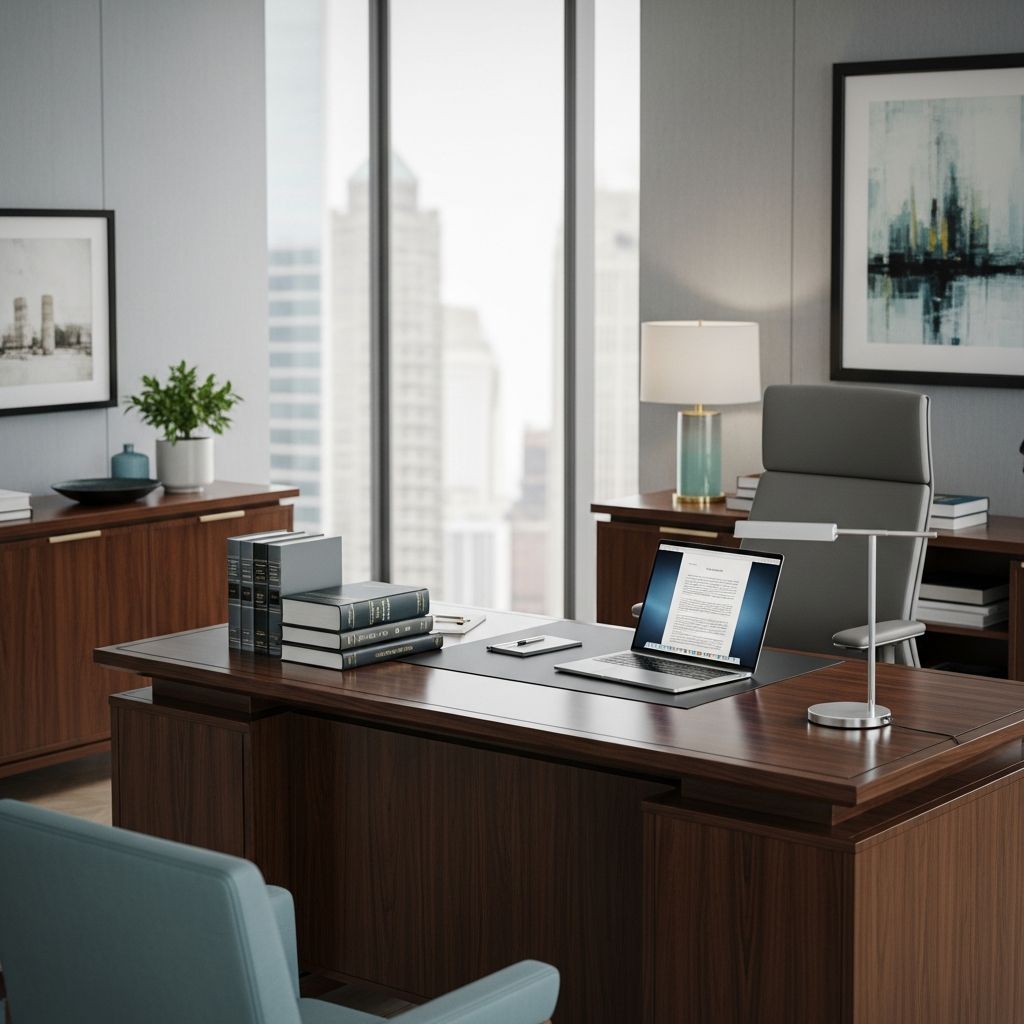
Choosing the right office space is a pivotal decision for any law firm, directly impacting daily operations, client perceptions, and professional growth. A thoughtfully selected workspace balances functionality, accessibility, and cost while projecting credibility and supporting team efficiency.
Evaluating Your Firm’s Core Requirements
Before exploring properties, conduct a thorough assessment of your firm’s unique needs. Start by analyzing current staff size, projected expansion, and practice areas. Solo practitioners may prioritize compact, flexible setups, while larger firms require multiple private rooms and collaborative areas. Consider client meeting frequency and confidentiality demands, as legal work often involves sensitive discussions that necessitate soundproofed spaces.
Budgeting forms the foundation of this evaluation. Experts recommend allocating no more than 10% of gross revenue to rent to maintain financial health. Factor in ancillary costs like utilities, maintenance, and potential build-out expenses. Growth projections over the next 3-5 years are crucial, as most commercial leases span this duration, avoiding the pitfalls of outgrowing a space prematurely.
- Staff count and roles (attorneys, paralegals, admins)
- Practice focus (litigation vs. transactional)
- Client volume and interaction style
- Remote vs. in-office work hybrid models
Strategic Location Choices for Maximum Impact
Location remains the top priority for law offices, influencing everything from staff retention to client convenience. Proximity to courthouses, government buildings, banks, and law libraries streamlines workflows, reducing travel time for court appearances and filings. Central business districts often signal prestige, attracting high-value clients who associate prime addresses with established practices.
Accessibility extends beyond geography. Ensure easy public transit links, ample parking, and ADA-compliant entrances to accommodate diverse clients. For firms with multiple locations or traveling attorneys, multi-site providers offer flexibility, allowing use of the nearest branch as needed. Urban cores provide networking opportunities, while suburban spots may offer lower costs and less congestion for family law or estate planning practices.
| Location Type | Pros | Cons | Best For |
|---|---|---|---|
| Downtown/Courthouse Adjacent | Quick court access, prestige, networking | High rent, traffic | Litigators, established firms |
| Business Districts | Client convenience, amenities | Competition, parking issues | Corporate, transactional law |
| Suburban | Affordable, spacious, quiet | Longer commutes | Solo/small firms, family law |
Optimizing Layout and Space Allocation
An effective layout enhances productivity and client experience. Prioritize private offices for confidential consultations, conference rooms for depositions or team meetings, and open areas for support staff. Reception zones should project professionalism with comfortable seating and clear signage. Storage solutions for files and evidence are non-negotiable, ideally featuring secure, locked cabinets or rooms.
Scalability matters: seek modular designs allowing reconfiguration as your firm evolves. Natural light, ergonomic furnishings, and quiet zones combat burnout in high-stress legal environments. Client-facing areas must feel welcoming yet authoritative, with amenities like beverages and Wi-Fi to encourage longer visits and repeat business.
- Private offices: 1 per attorney
- Conference rooms: 1 per 4-6 attorneys
- Reception/waiting: 200+ sq ft
- Storage/file rooms: Secure and climate-controlled
Technology Infrastructure Essentials
Modern law firms demand robust tech setups. High-speed internet (1 Gbps+), secure VPNs, and VoIP phone systems enable seamless remote collaboration. Video conferencing in every meeting room supports virtual client intakes and hybrid hearings. Integrated practice management software, printers, scanners, and cloud storage streamline case handling.
Power backups and IT support prevent disruptions during critical deadlines. Many shared legal spaces provide on-site paralegals, receptionists, and billing tools, reducing overhead. Evaluate infrastructure for scalability, ensuring it supports AI-driven research tools and e-filing systems increasingly mandated by courts.
Lease Terms and Financial Considerations
Scrutinize lease agreements meticulously. Understand triple net (NNN) structures where tenants cover taxes, insurance, and maintenance beyond base rent. Common Area Maintenance (CAM) fees can inflate costs; negotiate caps or exclusions. Seek flexible terms like month-to-month options, early termination clauses, or expansion rights for growing practices.
Compare total costs: base rent, escalations, utilities, and build-out allowances. Negotiate as an attorney—secure rent abatement during fit-outs, renewal options, and subletting permissions. Shared or virtual offices offer low-commitment entry points, ideal for startups testing physical presence without long-term locks.
| Lease Type | Duration | Flexibility | Cost Predictability |
|---|---|---|---|
| Full-Service Gross | 3-5 years | Low | High (all-inclusive) |
| Triple Net (NNN) | 5+ years | Medium | Low (variable extras) |
| Shared/Flex | Month-to-month | High | Medium |
Prioritizing Client Comfort and Accessibility
Clients form first impressions in your space. Designate welcoming lobbies with privacy-respecting seating, reading materials, and refreshments. ADA compliance—elevators, wide doorways, adjustable-height furniture—ensures inclusivity. Restrooms, lactation rooms, and quiet waiting zones elevate the experience, fostering trust and referrals.
Security features like keycard access, surveillance, and visitor logs protect sensitive interactions. Professional aesthetics—muted colors, quality furnishings—convey competence without ostentation.
Health, Safety, and Sustainability Features
Post-pandemic, air quality, touchless entry, and sanitization stations are standard. Wellness amenities like standing desks and break areas support mental health. Energy-efficient lighting and LEED-certified buildings appeal to eco-conscious clients and cut utility bills. Verify compliance with local health codes and insurance requirements.
Shared and Virtual Space Alternatives
For cost-conscious or hybrid firms, shared legal coworking provides private offices, networking, and support services without full leases. Virtual offices offer prestigious addresses, mail handling, and on-demand meeting rooms. These models suit boutiques or multi-jurisdictional practices, blending flexibility with professionalism.
- Pros: Low overhead, scalability, community
- Cons: Less customization, shared resources
- Ideal for: Startups, remote-heavy teams
Frequently Asked Questions (FAQs)
What square footage do I need per attorney?
Typically 150-250 sq ft per attorney, plus 50-100 sq ft for support spaces. Adjust for conference needs.
How do I negotiate a favorable lease?
Review CAM fees, add termination clauses, and secure tenant improvement allowances. Consult a real estate attorney.
Is shared space professional enough for clients?
Yes, legal-specific shared spaces offer private offices and reception, maintaining confidentiality and prestige.
What tech must-haves support modern practices?
High-speed internet, secure video, cloud integration, and on-site IT for e-filing and virtual courts.
Should I prioritize location over cost?
Balance both: prime spots boost revenue but monitor total occupancy costs under 10% of gross.
Final Steps to Secure Your Ideal Space
Compile a checklist, tour multiple options with your team, and project 3-year scenarios. Engage commercial brokers specializing in legal properties for insider insights. A strategic office investment pays dividends in efficiency, retention, and client acquisition.
References
- 10 Features To Look for in a Legal Office Space Rental — Coastal Compass Suites. 2023. https://www.coastalcompasssuites.com/10-features-to-look-for-in-a-legal-office-space-rental
- Choosing Office Space — Tennessee Bar Association. 2024-01-15. https://www.tba.org/?pg=LPMChoosingOfficeSpace
- 5 Tips on Finding The Perfect Law Office Space — Law Firm Suites. 2019-09-11. https://lawfirmsuites.com/2019/09/11/5-tips-on-finding-the-perfect-law-office-space/
- 5 Things Law Firms Should Consider When Choosing Office Space — Amata Corp. 2023. https://amatacorp.com/blog/5-things-law-firms-should-consider-when-choosing-office-space/
- 7 Things Attorneys Need When Renting Law Office Space — Legal Edge Services. 2022. https://legaledgeservices.com/7-things-attorneys-need-when-renting-law-office-space/
- Five Things to Look for in Shared Office Space — Attorney at Work. 2023-05-20. https://www.attorneyatwork.com/legal-shared-office-space/
- 5 Keys to Finding Law Office Space for Rent — SquareFoot. 2024. https://www.squarefoot.com/leasopedia/finding-law-office-space-for-rent/
Similar Articles








Read full bio of medha deb




