
Schools Skipping Halloween: Reasons and Alternatives
Uncover why numerous schools are ditching Halloween celebrations and explore inclusive alternatives that keep the fun alive for all students.
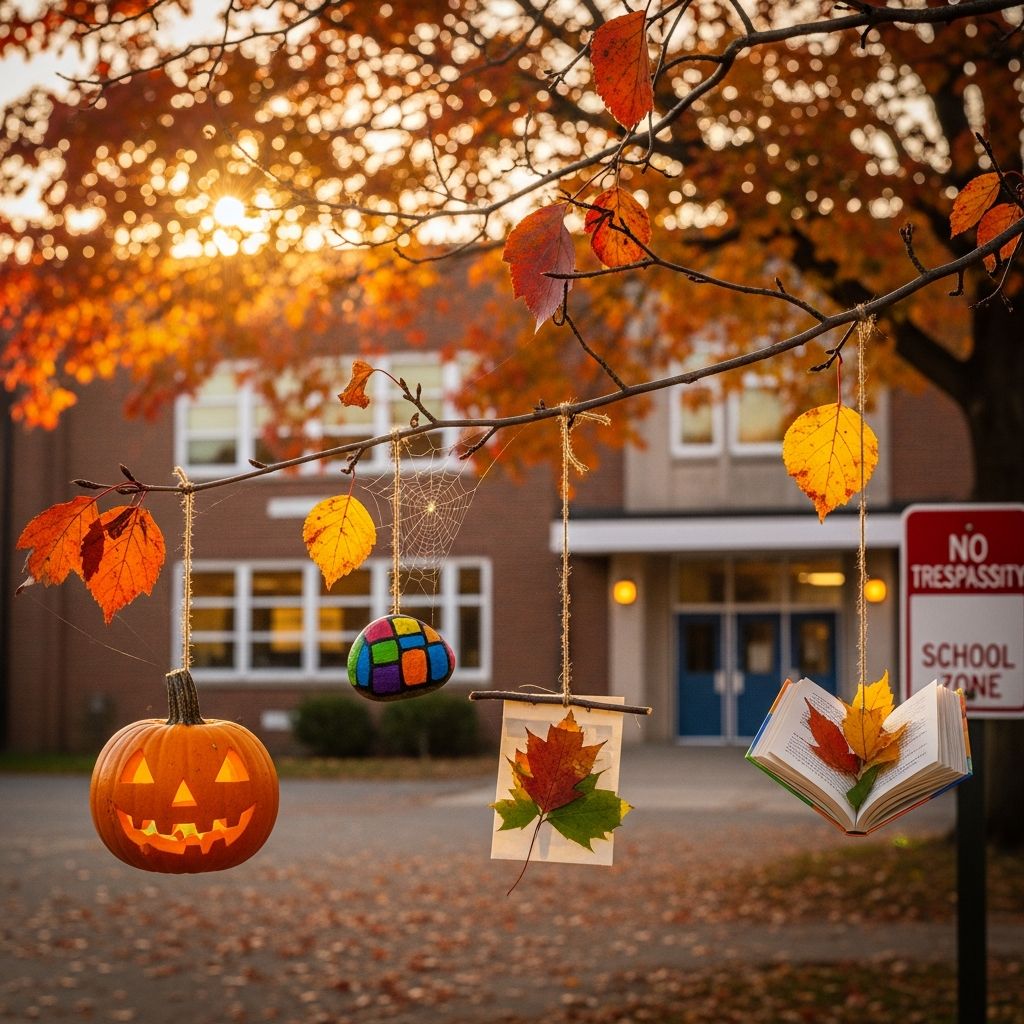
Halloween, with its costumes, parades, and spooky festivities, has long been a highlight for many schoolchildren. However, an increasing number of educational institutions are opting out of on-campus celebrations. This shift stems from a commitment to equity, cultural respect, and safety, reflecting broader changes in diverse school environments.
The Push for Inclusivity in Diverse Classrooms
Modern schools serve student bodies from varied cultural and socioeconomic backgrounds. Administrators recognize that Halloween activities can unintentionally exclude certain groups. Families who do not observe the holiday due to religious convictions may feel marginalized if school events center on it. For instance, some districts have moved celebrations to after-school hours to avoid pressuring non-participating students.
In one New Jersey district, officials weighed whether school-sanctioned events created hardships for families unable to afford costumes, leading to a policy emphasizing respect for all. Similarly, principals in Michigan have proposed eliminating not just Halloween but other holidays like Valentine’s Day to curb bullying of non-participants.
- Religious diversity: Holidays like Halloween, rooted in Christian traditions as All Hallows’ Eve, may conflict with other faiths.
- Socioeconomic gaps: Costumes and supplies highlight financial disparities among students.
- Cultural neutrality: Public schools must avoid endorsing any single tradition under the First Amendment.
Financial Pressures and Equity Concerns
Costume expectations often exacerbate inequities. Children without new outfits risk feeling embarrassed or teased, prompting some to stay home. Superintendents have noted anxious students who compare their homemade or absent costumes to peers’ elaborate ones.
To address this, schools evaluate if festivities impose unintended burdens. A Wisconsin elementary replaced costume parades with ‘favorite hat day’ to maintain excitement without expense. Donation drives for costumes have been suggested, though not universally adopted.
| Issue | Impact on Students | School Response |
|---|---|---|
| Cost of Costumes | Teasing or exclusion | Caps or no-costume policies |
| Family Budgets | Financial strain | Alternative activities like sock days |
| Social Pressure | Anxiety and absenteeism | Inclusive, low-cost events |
Religious and Constitutional Considerations
Halloween’s origins as a Catholic vigil for All Saints’ Day raise Establishment Clause issues in public schools. Celebrating it could be seen as favoring one religion, akin to endorsing Rosh Hashanah or Ramadan. Conservative groups viewing it as satanic further complicate matters, leading some schools to eliminate it entirely to sidestep legal challenges.
Private schools face similar pressures amid diverse enrollments. Parents have enlisted civil rights attorneys to advocate for bans, citing cultural sensitivity in areas like South Florida.
Safety and Distraction Factors
Beyond inclusivity, practical concerns drive decisions. Costumes with masks, props, or loose fabrics pose tripping hazards and impede emergency evacuations. An informal poll of 336 leaders found 41% prohibit costumes, often for safety and focus on learning.
Administrators worry about disruptions: parades halt classes, and excitement diverts attention from academics. Some restrict scary themes or accessories like fake weapons.
Innovative Alternatives to Traditional Halloween
Rather than voiding fun, schools pivot to neutral, engaging options. These maintain community spirit while aligning with equity goals.
- Fall Festivals: Harvest themes with games, crafts, and treats avoid religious ties.
- Book Character Days: Students dress as literary figures, tying into curriculum and sparking reading interest.
- Crazy Sock or Hat Days: Low-cost, creative expression without pressure.
- Escape Room Challenges: Team-building puzzles replace parades, fostering skills like critical thinking.
- Nursery Rhyme Parades: Educational shows for younger grades emphasize learning.
These substitutes often receive positive feedback, balancing fun with purpose. One Oregon school has used ‘Crazy Sock Day’ since 2017 successfully.
Community Reactions and Policy Reversals
Not all bans stick. Pushback from parents and students prompts reconsiderations. A New Jersey district reversed its 2023 no-Halloween stance after outcry, restoring parades. Virginia schools like Glasgow Middle allow costumes sans masks.
Debate persists: proponents argue Halloween nurtures creativity and joy, while critics highlight exclusion. Principals like those in Massachusetts canceled events after noting absenteeism from non-celebrating families.
Legal Framework Guiding School Decisions
Public schools navigate First Amendment constraints carefully. Neutrality prevents endorsement of religion, justifying secular alternatives. Private institutions have more leeway but prioritize harmony.
Courts generally defer to administrators on such matters if policies are viewpoint-neutral and serve educational interests. This legal backdrop encourages broad inclusivity.
Broader Implications for School Holidays
The Halloween trend signals evolving holiday policies. Schools increasingly scrutinize all celebrations for equity. Community events fill gaps, allowing traditional fun off-campus.
Educators emphasize school as a learning space, not party venue. Yet, occasional festivities boost morale, prompting balanced approaches.
Frequently Asked Questions (FAQs)
Why are schools banning Halloween costumes?
Primarily for inclusivity, to avoid excluding students based on religion, culture, or finances, and to maintain focus on education and safety.
What alternatives do schools offer?
Options include fall festivals, book character days, hat or sock themes, and educational games like classroom escapes.
Can parents challenge a school’s Halloween ban?
Yes, through community feedback or legal channels if it infringes rights, though courts uphold reasonable inclusivity policies.
Do private schools face the same issues?
Yes, diversity pressures affect them too, leading to similar cautious approaches.
Has any district reversed a ban?
Yes, like South Orange-Maplewood in New Jersey, after parental pushback.
Navigating the Future of School Celebrations
As demographics shift, schools will refine policies. Collaboration with parents ensures buy-in. The goal: joyful, equitable environments where every child thrives.
References
- Why Do Some Schools Ban Halloween? — Weinstein & Cohen. 2016-10-28. https://fairnessforall.com/weinstein-and-cohen-blog/item/99-why-do-some-schools-ban-halloween.html
- Why some schools are halting Halloween celebrations — Route Fifty. 2023-10-31. https://www.route-fifty.com/management/2023/10/why-some-schools-are-halting-halloween-celebrations/391630/
- The Debate Over Schools Banning Students From Wearing Halloween Costumes Rises Again — Education World. 2019-10-25. https://www.educationworld.com/a_news/debate-over-schools-banning-students-wearing-halloween-costumes-rises-again-1190443975
- Halloween parties were removed from schools. Why did we do that again? — East Lansing Portrait. 2024-10-30. https://eastlansingportrait.com/4103/opinion/halloween-parties-were-removed-from-schools-why-did-we-do-that-again/
- Spooked by Halloween, Some Schools Ban Costumes—But Not Without Pushback — Education Week. 2024-10-23. https://www.edweek.org/leadership/spooked-by-halloween-some-schools-ban-costumes-but-not-without-pushback/2024/10
Similar Articles








Read full bio of medha deb




