
School Pranks: Expulsion Risks and Legal Fallout
Discover when innocent school pranks cross into expulsion territory and trigger serious legal consequences for students.
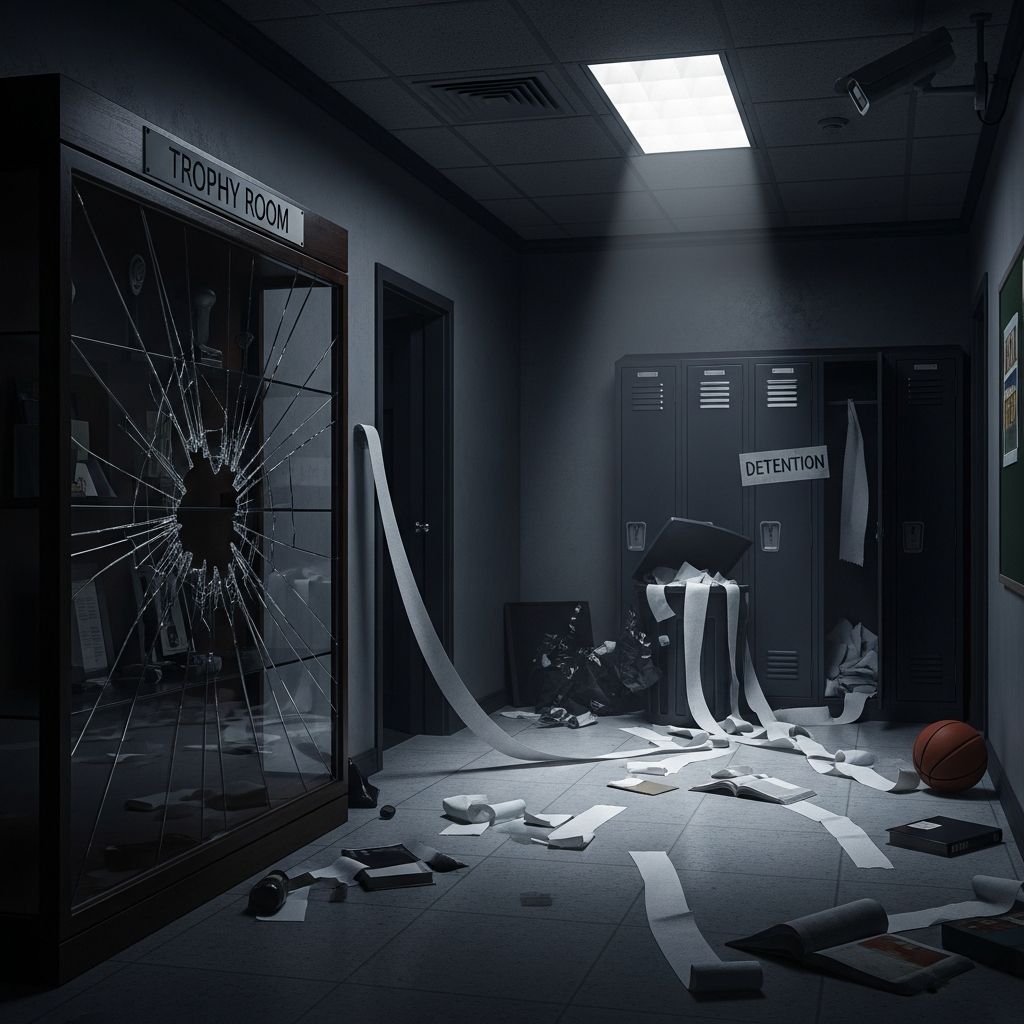
School pranks often start as lighthearted fun among students, but they can quickly escalate into major disciplinary actions, including expulsion. Understanding the legal and school policy boundaries is crucial for avoiding irreversible consequences.
The Blurry Line Between Fun and Discipline
Adolescents frequently engage in pranks to bond or relieve stress, such as hiding a classmate’s belongings or setting off harmless alarms. However, school administrators view these through codes of conduct that prioritize safety and order. What one student sees as a joke, another might report as harassment, prompting investigations that lead to suspensions or worse.
Disciplinary measures vary by institution but typically escalate based on severity. Minor infractions might result in warnings, while repeated or harmful acts trigger harsher penalties. Expulsion, the most severe, removes a student entirely, often requiring transfer or alternative schooling.
When Pranks Violate School Codes of Conduct
Most schools maintain detailed handbooks outlining prohibited behaviors. Common violations include:
- Disrupting classes or school events.
- Causing property damage, even unintentionally.
- Targeting individuals in ways that create fear or humiliation.
- Involving technology, like unauthorized videos or posts.
Upon detection, processes involve fact-finding, hearings, and appeals. Parents play a key role, often needing legal advice to challenge decisions. Data from educational reports shows expulsion rates rising for conduct-related issues, emphasizing zero-tolerance approaches in many districts.
Criminal Charges: From Prank to Prosecution
Beyond school sanctions, pranks can attract law enforcement if they breach statutes. For instance, false fire alarms or vandalism constitute misdemeanors, potentially leading to juvenile court. In serious cases, like those causing injury, felony charges apply.
| Prank Type | Possible Charge | Typical Penalty |
|---|---|---|
| Fire alarm activation | Misdemeanor disorderly conduct | Fines, community service |
| Property defacement | Vandalism | Restitution, probation |
| Threatening messages | Harassment | Detention, counseling |
Juvenile systems focus on rehabilitation, but records persist, influencing future opportunities. Legal representation early can mitigate outcomes through diversion programs.
The Rise of Digital Pranks and Cyber Risks
Social media amplifies pranks, turning them into cyberbullying or harassment. Posting embarrassing content or fake threats violates laws like Texas’s David’s Law, which mandates school reporting of off-campus incidents affecting learning environments. Penalties mirror traditional harassment: fines up to $2,000 and up to 180 days detention for juveniles.
Victims suffer emotionally, with studies linking cyber incidents to increased self-harm risks among youth. Schools now monitor online activity, integrating it into conduct reviews, often resulting in immediate suspensions.
Long-Term Repercussions on Education and Careers
A disciplinary record shadows students beyond high school. Colleges scrutinize applications, where expulsions signal risk, potentially barring admission. Scholarships and financial aid hinge on clean conduct, with many revoked post-incident.
Professionally, fields like healthcare or law demand background checks. Even sealed juvenile records surface in licensing, complicating paths. One study notes that early convictions correlate with 20-30% reduced employment rates in regulated industries.
Parental Guidance: Preventing Escalation
Parents should discuss prank risks openly, reviewing school policies annually. Monitoring online activity without invading privacy fosters responsibility. If issues arise, consulting attorneys specializing in education law preserves rights during hearings.
Building positive outlets like clubs or sports channels energy constructively, reducing prank temptations.
Case Studies: Lessons from Real Incidents
- Alarm Prank Gone Wrong: A group of teens pulled campus alarms, leading to evacuations and police response. Charged with disorderly conduct, they faced expulsion and community service, derailing college plans.
- Social Media Hoax: A fake injury post alarmed peers, ruled cyber-harassment. The student endured suspension and mandatory counseling, with lasting social fallout.
- Vandalism Jest: Graffiti as a ‘joke’ incurred repair costs; restitution and probation followed, impacting family finances.
These examples, drawn from legal precedents, highlight how quickly fun sours without foresight.
Navigating the Appeals Process
Expulsion isn’t final; appeals involve district boards or courts. Gather evidence like witness statements and policy interpretations. Timelines are strict—often 10 days—demanding swift action. Success rates improve with legal aid, overturning 15-25% of decisions per educational stats.
Frequently Asked Questions (FAQs)
Can a single prank lead to expulsion?
Yes, if it endangers safety or heavily disrupts operations, zero-tolerance policies apply regardless of intent.
What if the prank happens off-campus?
Schools can act if it impacts the learning environment, especially online pranks targeting peers.
Do juvenile records affect college admissions?
Often yes; disclosures are required, and unchecked records may emerge via background checks.
How can parents help during investigations?
Attend meetings, request documentation, and secure counsel to ensure fair proceedings.
Are there alternatives to expulsion?
Options like transfer programs, counseling, or probation exist, depending on district policies.
Strategies for Safer School Fun
Encourage organized events over spontaneous antics. Peer education on laws builds awareness. Schools benefit from clear, consistent policies communicated yearly.
Technology tools for monitoring foster accountability without overreach.
References
- Youthful Pranks Can Result in Serious – and Long Term – Consequences — The Law Office of Andrea D. Smith, LLC. 2023-05-15. https://law-stl.com/youthful-pranks-can-result-in-serious-and-long-term-consequences/
- Can My Child Be Charged Over a Social Media Prank? — Bruck Law, PC. 2024-02-20. https://brckdefense.com/blog/atascosa-frio-wilson-county-defense/can-my-child-be-charged-over-a-social-media-prank/
- Teenage Pranks Can Have Serious Consequences — Thomas & Associates, P.C. 2014-07-10. https://www.virginiabeachcriminallawfirm.com/legal-blog/2014/july/teenage-pranks-can-have-serious-consequences/
- Family Educational Rights and Privacy Act (FERPA) — U.S. Department of Education. 2023-01-01. https://www2.ed.gov/policy/gen/guid/fpco/ferpa/index.html
- Individuals with Disabilities Education Act (IDEA) — U.S. Department of Education. 2024-06-15. https://sites.ed.gov/idea/
- Zero Tolerance Policies in Schools — U.S. Department of Justice. 2022-11-30. https://www.justice.gov/crt/about/edu/zerotolerance.php
Similar Articles








Read full bio of medha deb




