
School Lunch Policies: Rights and Regulations
Exploring the legal boundaries of school authority over student lunches, parental rights, and nutritional mandates in public education.
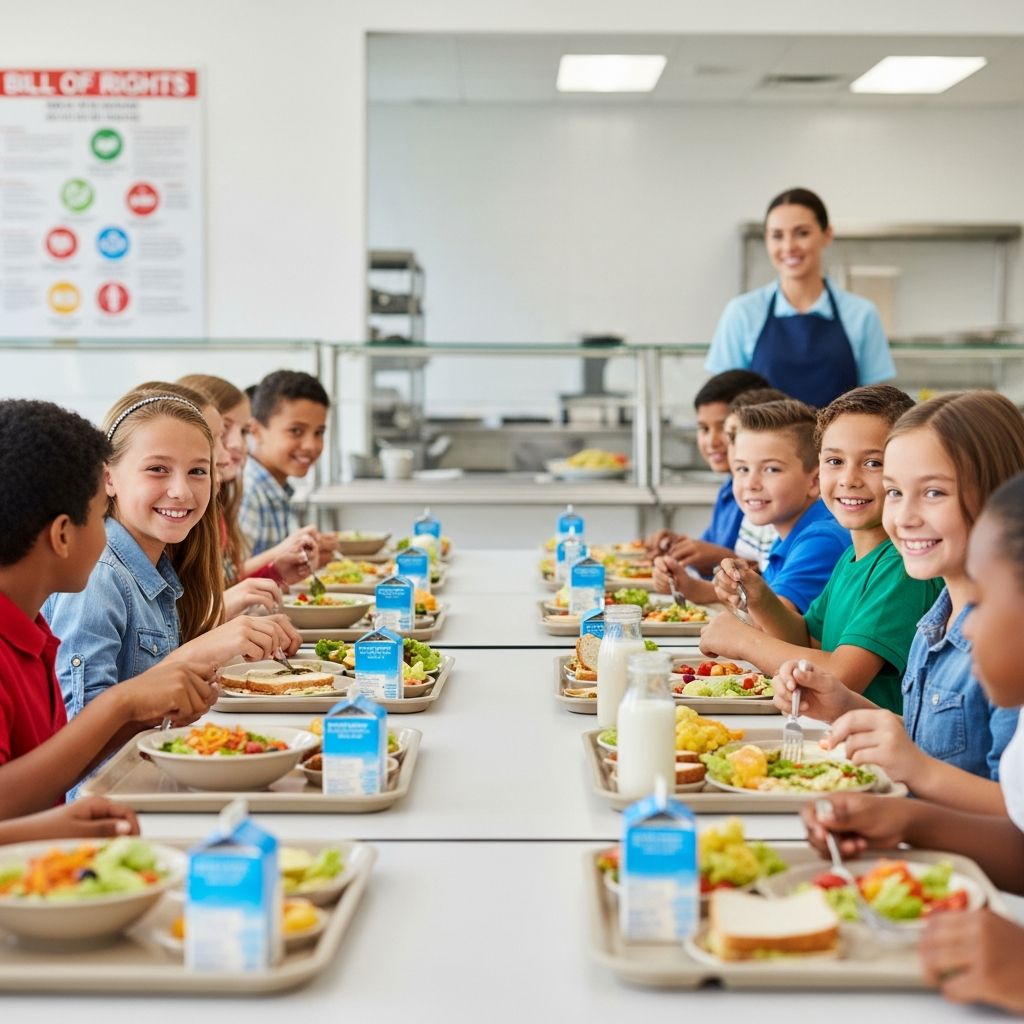
Public schools across the United States play a pivotal role in shaping children’s eating habits through structured meal programs. These initiatives aim to combat obesity, ensure nutritional balance, and promote equitable access to healthy food. However, tensions arise when school policies extend to restricting what students bring from home, sparking debates over authority, parental rights, and child welfare. This article dissects the legal landscape, historical context, and practical implications of such regulations.
The Evolution of School Nutrition Guidelines
Federal involvement in school meals began with the National School Lunch Program (NSLP) in 1946, designed to support agriculture and address child hunger post-World War II. Over decades, standards have tightened to emphasize fruits, vegetables, whole grains, and reduced sodium and sugars. The Healthy, Hunger-Free Kids Act of 2010, under the Obama administration, set rigorous calorie limits and required half of grains to be whole grain-rich by 2014.
These rules apply to meals schools provide but do not directly govern home-packed lunches. Yet, some districts have interpreted broad wellness policies to limit outside food, citing concerns like allergens, waste, and uneven nutrition. For instance, certain Chicago elementary schools once mandated cafeteria meals unless a medical note excused a child, arguing it ensured all students received balanced nutrition.
Legal Foundations: Federal vs. State Authority
The U.S. Constitution grants states primary control over education, with federal guidelines serving as minimum standards for funded programs. Schools must comply with NSLP to receive reimbursements, but banning home lunches raises First Amendment and Fourteenth Amendment questions regarding parental rights and substantive due process.
Courts have generally upheld school authority in in loco parentis roles during school hours, allowing regulation of disruptive or unhealthy items like soda. However, outright bans on all home food face scrutiny. In a notable 2011 case involving a Chicago policy, parents challenged the restriction, but no landmark ruling emerged; instead, local practices varied by principal discretion.
| Aspect | Federal Role (NSLP) | State/Local Flexibility |
|---|---|---|
| Meal Standards | Mandatory for reimbursed meals: fruits/veggies, low-fat milk, protein | Allows whole grains flexibility post-2017 |
| Home-Packed Food | No direct regulation | Varies; some ban, others permit with limits |
| Exceptions | Medical/religious accommodations required | Local policies must comply with federal law |
Parental Rights in the Cafeteria
Parents argue that forcing cafeteria meals undermines family autonomy, especially for cultural, dietary, or economic reasons. A home lunch might include family recipes rich in heritage foods not aligning with federal plates. Critics like researchers from consumer advocacy groups decry such policies as government overreach into private spheres.
- Cultural Relevance: Immigrant families may pack traditional meals higher in rice or spices, vital for identity.
- Allergy Management: Custom lunches avoid common triggers like peanuts in school offerings.
- Cost Savings: Home food is cheaper, freeing budgets for other needs.
Legally, parents retain strong rights outside school, but courts balance this against institutional needs. The Supreme Court in Meyer v. Nebraska (1923) affirmed parental rights to direct upbringing, influencing modern challenges to rigid lunch rules.
Health Objectives and Policy Justifications
Proponents of strict policies highlight rising childhood obesity rates—over 19% per CDC data—and uneven home nutrition. School meals guarantee standards: at least 1/2 cup fruit, 3/4 cup vegetables daily for elementary students. Bans prevent “junk” like chips, fostering lifelong healthy habits.
Yet, evidence is mixed. Some studies show kids discard mandated veggies, wasting food. Flexibility, as in Trump-era rollbacks (2017-2020), allowed non-whole grains and delayed sodium cuts, prioritizing “palatability” to boost participation. Agriculture Secretary Sonny Perdue noted kids’ preferences matter for consumption.
State Variations and Recent Developments
Policies differ widely. Minnesota’s 2023 law mandates free breakfast and lunch for all K-12 public/charter students, regardless of income, aiming for equity. Critics called it no “free lunch,” citing taxpayer costs, but supporters like Sen. Heather Gustafson emphasize barrier removal for education access.
Other states like California enforce “junk food” bans in vending, while Texas permits home lunches broadly. Post-COVID, universal free meals expired in 2022, reviving income-based eligibility and participation debates.
Practical Challenges for Schools and Families
Implementing bans strains resources: monitoring bags, handling complaints, accommodating exceptions. Cafeteria logistics falter with low uptake—some districts report 40% waste. Families face hunger risks if meals are rejected or unaffordable ($2.50-$3 average).
Alternatives include “closed campus” rules tying into safety, but lunches remain contentious. Wellness committees, required by federal law, must involve parents in policy-making.
Case Studies: Policies in Action
In Little Village, Chicago (2011), a ban aimed at nutrition uniformity but drew backlash for ignoring medical needs and parental choice. Principals allowed exceptions, highlighting ad-hoc enforcement.
Conversely, New York City schools permit home lunches but ban flavored milk, blending regulation with freedom. These examples underscore no one-size-fits-all approach.
Future Directions and Reform Proposals
Ongoing USDA reviews may loosen rules further, emphasizing local control. Advocacy groups push for transparency: public input on menus, nutrition education over mandates. Tech like apps tracking allergies could personalize without bans.
Balancing health, rights, and logistics requires dialogue. Parents can join PTAs, request variances, or vote for supportive legislators.
Frequently Asked Questions (FAQs)
Can schools legally ban all home-packed lunches?
Generally yes, under in loco parentis, but must allow medical/religious exceptions per federal law. Blanket bans face legal challenges if overly broad.
What federal nutrition standards apply to school meals?
NSLP requires balanced plates with fruits, veggies, grains, proteins, and dairy; calorie caps vary by grade (550-650 elementary).
Do all states offer free school lunches?
No; Minnesota does universally since 2023, but most use income eligibility. COVID-era waivers ended in 2022.
How can parents challenge a lunch policy?
Engage school board, file grievances, or pursue legal aid via groups like ACLU for rights violations.
Are home lunches healthier than school ones?
Not always; studies show variability, but schools ensure minimum standards for broad populations.
References
- National School Lunch Program Fact Sheet — USDA Food and Nutrition Service. 2023-10-01. https://www.fns.usda.gov/nslp/national-school-lunch-program-fact-sheet
- Healthy, Hunger-Free Kids Act of 2010 — U.S. Congress. 2010-12-13. https://www.congress.gov/bill/111th-congress/senate-bill/3307
- Minnesota Universal School Meals Legislation — Minnesota Senate. 2023-05-15. https://www.senate.mn.gov/
- Childhood Obesity Facts — Centers for Disease Control and Prevention. 2024-02-20. https://www.cdc.gov/obesity/data/childhood.html
- School Meals Regulations Update — USDA. 2017-05-01. https://www.fns.usda.gov/cn/school-meals-rules-regulation
Similar Articles








Read full bio of medha deb




