
School Bus Stop Safety: Essential Guide For Students, Parents
Essential strategies for parents, students, and drivers to prevent accidents at school bus stops and ensure child safety.
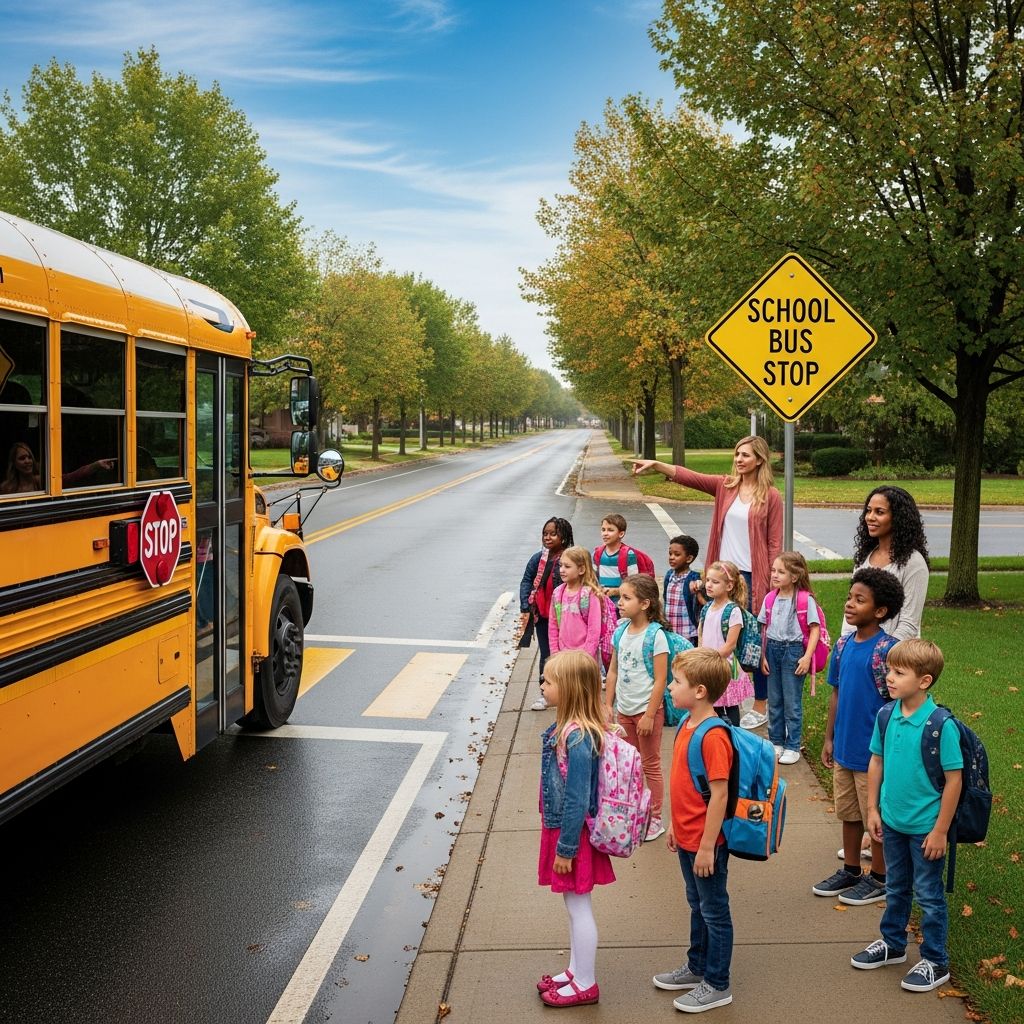
Every school day, millions of children rely on school buses for safe transport, yet bus stops remain high-risk zones for accidents. Proper protocols can drastically reduce injuries from vehicles, falls, or poor visibility. This guide outlines critical practices for students, parents, drivers, and communities to foster secure environments.
Understanding the Risks at Bus Stops
The area surrounding a school bus, known as the “danger zone,” spans about 10 feet on all sides where visibility is limited for drivers. Children here face threats from passing vehicles, bus movements, or slips while boarding. According to safety experts, most incidents occur due to children darting into traffic or drivers ignoring stop signals.
Key hazards include illegal passing when red lights flash, distractions like games at stops, and failure to maintain distance from the curb. Statistics highlight that school buses are among the safest transport modes, but pedestrian errors amplify risks off-vehicle.
Best Practices for Children Waiting at the Stop
Students must adopt disciplined habits to stay safe while awaiting the bus. Arriving early—ideally five minutes prior—prevents rushing into roads.
- Position at least six feet (three giant steps) from the curb to avoid sudden traffic.
- Remain stationary; no running, pushing, or games that lead to straying.
- Wear visible clothing: bright colors or reflectors, avoiding hoods that block peripheral vision.
- Supervise younger siblings; older children should guide them.
Selecting well-lit, open locations enhances driver visibility, steering clear of driveways or foliage-obscured spots.
Secure Boarding and Exiting Procedures
Boarding demands patience and awareness. Wait for the bus to halt fully, doors to open, and driver signals before approaching.
- Use handrails firmly to prevent falls; tuck in drawstrings, straps, or loose items to avoid snags.
- If crossing is required, proceed only in front of the bus after eye contact with the driver, checking both directions.
- Never retrieve dropped items yourself—alert the driver immediately.
Exiting mirrors this: stay seated until stopped, exit promptly using handrails, and take five giant steps away before crossing if needed. Walking behind the bus is prohibited due to blind spots.
On-Board Conduct for a Safe Ride
Inside the bus, discipline minimizes disruptions. Remain seated with head, arms, and belongings inside; speak softly.
- Buckle seat belts if equipped.
- Keep aisles clear of bags or debris.
- Avoid electronics or objects that distract.
These rules ensure quick evacuations if emergencies arise and reduce driver distractions.
Driver Responsibilities: Obeying Stop-Arm Laws
Motorists hold a pivotal role. All 50 states mandate stopping for buses with extended stop-arms and flashing red lights when loading/unloading. On undivided roads, traffic from both directions halts; divided highways require only same-direction stops.
| Light Sequence | Driver Action |
|---|---|
| Amber Flashing | Slow and prepare to stop |
| Red Flashing + Stop-Arm | Complete stop, no passing |
| Lights Off | Proceed when safe |
Stop at least 20 feet away to buffer the danger zone. In school zones, adhere to reduced speeds and scan for pedestrians.
Parental Supervision and Preparation
Parents reinforce safety through daily routines. Accompany young children to stops, review rules nightly, and report hazards like poor lighting to schools.
- Practice crossing: five steps out, eye contact, driver nod.
- Inspect clothing/backpacks for hazards.
- Discuss consequences of rule-breaking.
Advocate for ideal stops: safe from traffic, with space to retreat 10 feet.
Community and School Initiatives
Schools optimize routes to minimize crossings and cluster stops safely. Communities install signs, lights, and sidewalks. National campaigns like School Bus Safety Week promote awareness.
Parents can join safety committees to audit stops, ensuring compliance with federal guidelines from the NHTSA.
Frequently Asked Questions
What distance should kids stand from the road?
At least six feet or three giant steps to evade traffic.
Can drivers pass a stopped bus?
No, when red lights flash and stop-arm extends on undivided roads.
What if a child drops something near the bus?
Tell the driver; never reach under or behind.
Should parents wait with kids?
Yes, especially for younger ones, to model and supervise.
How to cross safely after exiting?
Walk five steps ahead, make eye contact with driver, look both ways.
Enhancing Visibility and Awareness
Dawn and dusk amplify dangers; reflective gear is vital. Drivers, avoid distractions like phones. Schools train on these via drills.
Incorporating these multi-layered strategies—personal habits, legal adherence, and infrastructure—slashes accident rates. Consistent enforcement saves lives daily.
References
- Bus Stop Safety Tips — Merrillville Community School Corporation. Accessed 2026. https://www.mvsc.k12.in.us/administration/transportation/bus-stop-safety-tips
- School Buses – Safest Transportation for School Children — National Safety Council. Accessed 2026. https://www.nsc.org/community-safety/safety-topics/school-safety/buses-safest-transportation-for-school-children
- School Bus Safety Tips — Florida Department of Transportation. Accessed 2026. https://www.fdot.gov/Safety/school-bus-safety-tips
- School Bus Safety Tips for Back-to-School — Consumer Reports. 2023-08-15. https://www.consumerreports.org/babies-kids/child-safety/school-bus-safety-tips-a1119468720/
- Planning for Safety — National Highway Traffic Safety Administration. Accessed 2026. https://www.nhtsa.gov/planning-safer-school-bus-stops-and-routes/planning-safety
Similar Articles








Read full bio of Sneha Tete




