
Safe Tailgating: Avoid Injuries at Pre-Game Parties
Master essential safety strategies for tailgating to prevent injuries, food risks, fires, and accidents during your next game day celebration.
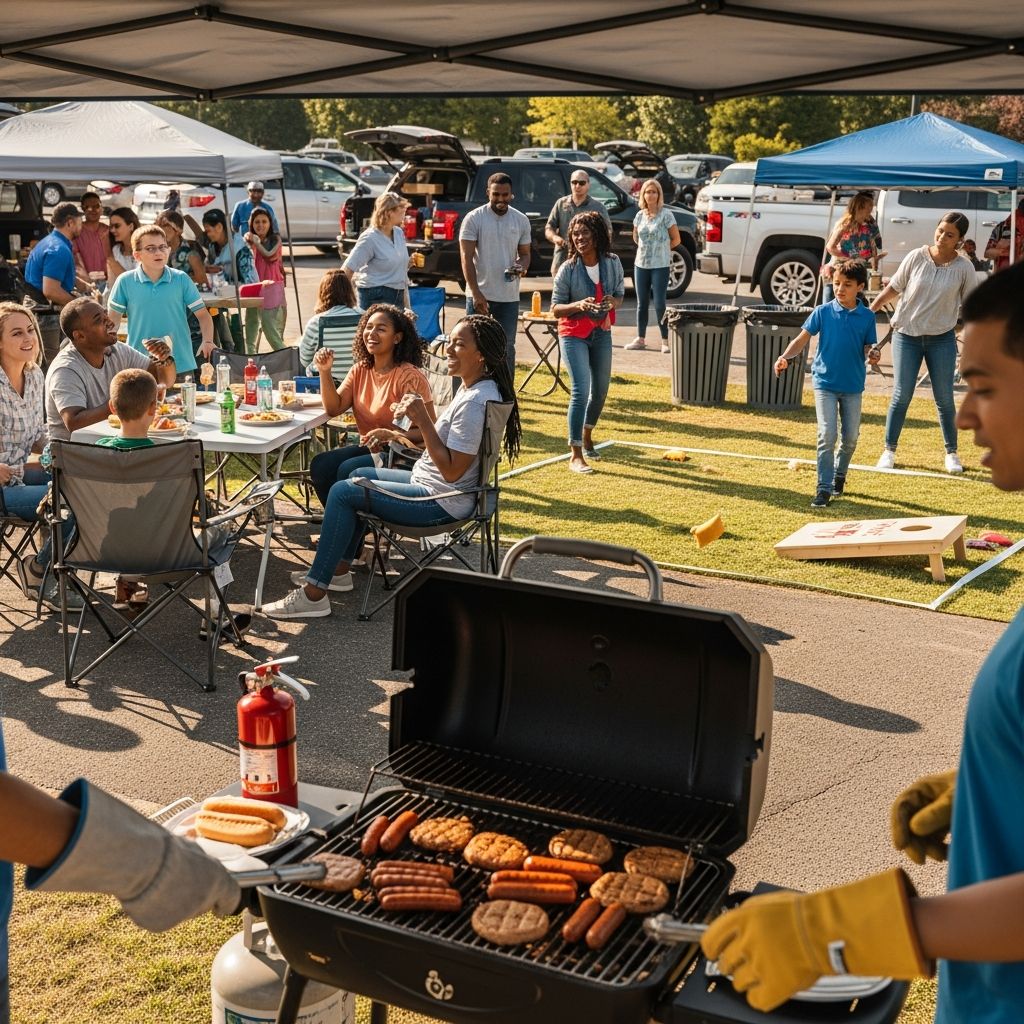
Tailgating transforms parking lots into vibrant hubs of excitement before major sporting events, where fans gather to grill, share drinks, and build camaraderie. However, the open flames, raw foods, alcohol, and crowded conditions create significant injury risks. From foodborne illnesses to burns, dehydration, and traffic mishaps, unprepared gatherings can turn celebrations into emergencies. This guide outlines practical strategies to minimize dangers, drawing on expert recommendations for food safety, fire prevention, personal protection, and responsible behavior. By prioritizing these measures, you can focus on the thrill of the game without worry.
Mastering Food Safety to Prevent Illness
Food preparation stands as a cornerstone of tailgating, but improper handling often leads to bacterial contamination and sickness. Raw meats like burgers and chicken harbor pathogens such as E. coli and Salmonella, which thrive without proper temperature control or sanitation.
- Separate raw and cooked items: Use distinct coolers or plates to avoid cross-contamination. Never place cooked food on surfaces touched by raw meat.
- Maintain cold chain: Keep perishables below 40°F (4°C) using ice-packed coolers. Separate drinks from food to prevent frequent openings that warm contents.
- Hand hygiene first: Wash hands thoroughly before and after handling food, using soap, water, or sanitizing wipes if facilities are limited.
- Cook to safe temperatures: Use a meat thermometer—ground beef to 160°F (71°C), poultry to 165°F (74°C). Discard any food left in the danger zone (40-140°F) for over two hours.
When in doubt, throw it out. Spoiled food shows signs like off odors, sliminess, or discoloration. Prioritizing these steps protects everyone, especially vulnerable groups like children and the elderly.
Grilling Best Practices for Fire Prevention
Grills fuel the tailgating spirit but pose fire hazards if mismanaged. Flare-ups from grease drippings or proximity to flammables like tents and vehicles cause thousands of injuries annually.
| Grill Type | Key Safety Rules | Distance from Hazards |
|---|---|---|
| Gas/Propane | Check hoses for leaks; open lid before igniting; never leave unattended | 10+ feet from cars, tents |
| Charcoal | Use starter fluid sparingly; cool coals completely before disposal | 10+ feet; elevate off ground |
| Electric | Ensure stable surface; avoid extension cords if possible | 6+ feet from flammables |
Position grills in open areas, at least 10 feet from any vehicles, awnings, or crowds. Wear protective gear like aprons and heat-resistant gloves to shield against splatters. Keep a multipurpose fire extinguisher (ABC-rated) within arm’s reach—not just for your setup, but to assist neighbors. After cooking, extinguish flames fully, spread coals to cool in a metal container, and never store hot grills under vehicles.
Emergency Preparedness Essentials
Accidents happen despite precautions, so readiness saves lives. A well-stocked first aid kit addresses cuts, burns, stings, and minor injuries common in bustling lots.
- Bandages, antiseptic wipes, tweezers, scissors, pain relievers, hydrocortisone cream, and burn gel.
- Include allergy meds, insect repellent, and personal prescriptions.
- Know basic CPR and how to recognize heatstroke or severe allergic reactions.
Designate a group leader to monitor for issues. For fires, smother small grease flares with a lid or baking soda—never water. Call 911 for unresponsive individuals, chest pain, or uncontrolled bleeding. Sharing supplies fosters community safety.
Combating Heat, Sun, and Dehydration Risks
Hours under the sun amplify dehydration and sunburn dangers, with symptoms like dizziness, cramps, and nausea escalating quickly. Alcohol worsens these effects, impairing judgment.
- Hydrate proactively: Aim for water every 20-30 minutes; refillable bottles beat single-use for sustainability and convenience.
- Sun protection protocol: Apply broad-spectrum SPF 30+ sunscreen hourly, wear hats, sunglasses, and light clothing. Seek shade tents.
- Monitor vulnerable attendees: Children, seniors, and those with conditions need extra vigilance.
Avoid carbonated or alcoholic drinks as primary hydration sources. Coolers with ice-cold water keep spirits high and bodies safe.
Alcohol Management and Driving Discipline
Drinking defines many tailgates, but excess leads to falls, fights, and impaired driving. Nearly one-third of U.S. traffic deaths involve alcohol.
- Appoint sober drivers early: They abstain fully and handle vehicle keys.
- Pace consumption: Alternate drinks with water; eat before imbibing.
- Group accountability: Party in numbers—watch friends and intervene if needed.
Parking lots turn chaotic post-game. Drive slowly (under 5 mph), scan for children/pets/debris, and use headlights. Wait out crowds if possible. Apps for ride-sharing offer safe alternatives.
Parking Lot Navigation and General Awareness
Arrival and departure present unique hazards amid tents, coolers, and revelers.
- Park defensively: Choose end spots for easy exits; avoid backing into crowds.
- Secure belongings: Lock valuables out of sight to deter theft.
- Weather watch: Pack ponchos for rain; monitor forecasts.
- Venue rules: Respect no-grill zones or alcohol bans to avoid ejection.
Stay alert to surroundings—report suspicious activity to security. Clean up trash to prevent slips or fires.
Legal Ramifications of Tailgating Mishaps
Injuries from negligence can trigger lawsuits. Property damage from errant grills or fights may lead to liability claims. Alcohol-related incidents heighten risks, with hosts potentially responsible for guest DUIs in some states. Document everything—photos, witnesses—and consult professionals if harmed. Prevention trumps litigation.
Frequently Asked Questions (FAQs)
How long can food sit out safely during tailgating?
No more than 2 hours total, or 1 hour if ambient temperature exceeds 90°F (32°C). Bacteria multiply rapidly in the 40-140°F range.
What should be in a tailgating first aid kit?
Essentials include bandages, gauze, antiseptic, tweezers, pain relievers, burn cream, gloves, and any personal meds.
Is it safe to grill near my vehicle?
No—maintain at least 10 feet distance to prevent heat damage or fires.
How do I handle dehydration symptoms?
Drink water slowly, rest in shade, and seek medical help for severe cases like confusion or vomiting.
What if someone drinks too much?
Prevent driving, monitor for alcohol poisoning signs (vomiting, seizures), and call emergency services if needed.
References
- 7 Safety Tips for a Terrific Tailgating Experience — SafeWise. 2023. https://www.safewise.com/blog/7-safety-tips-for-a-terrific-tailgating-experience/
- 8 Tailgating Safety Tips for Your Pre-Game Fun — Nationwide Blog. 2023. https://blog.nationwide.com/family-life/travel-outdoors/tailgate-safety-tips/
- 5 Tips for Safe Tailgating — Mapfre Insurance. 2023. https://www.mapfreinsurance.com/blog/tips-for-safe-tailgating/
- Top Tailgating Safety Tips — Tires Plus. 2023. https://www.tiresplus.com/blog/driving/tailgating-safety-tips/
- Drive Safe – Tailgating — Armed Forces Retirement Home (AFRH). 2023. https://www.afrh.gov/sites/default/files/Staff-Safety-Weekly-Briefing–Drive-Safe-Tailgating-2023.pdf
- Keeping safe while tailgating this year — YouTube/AAA (transcript). 2023. https://www.youtube.com/watch?v=BOwjZTxaZus
Similar Articles








Read full bio of medha deb




