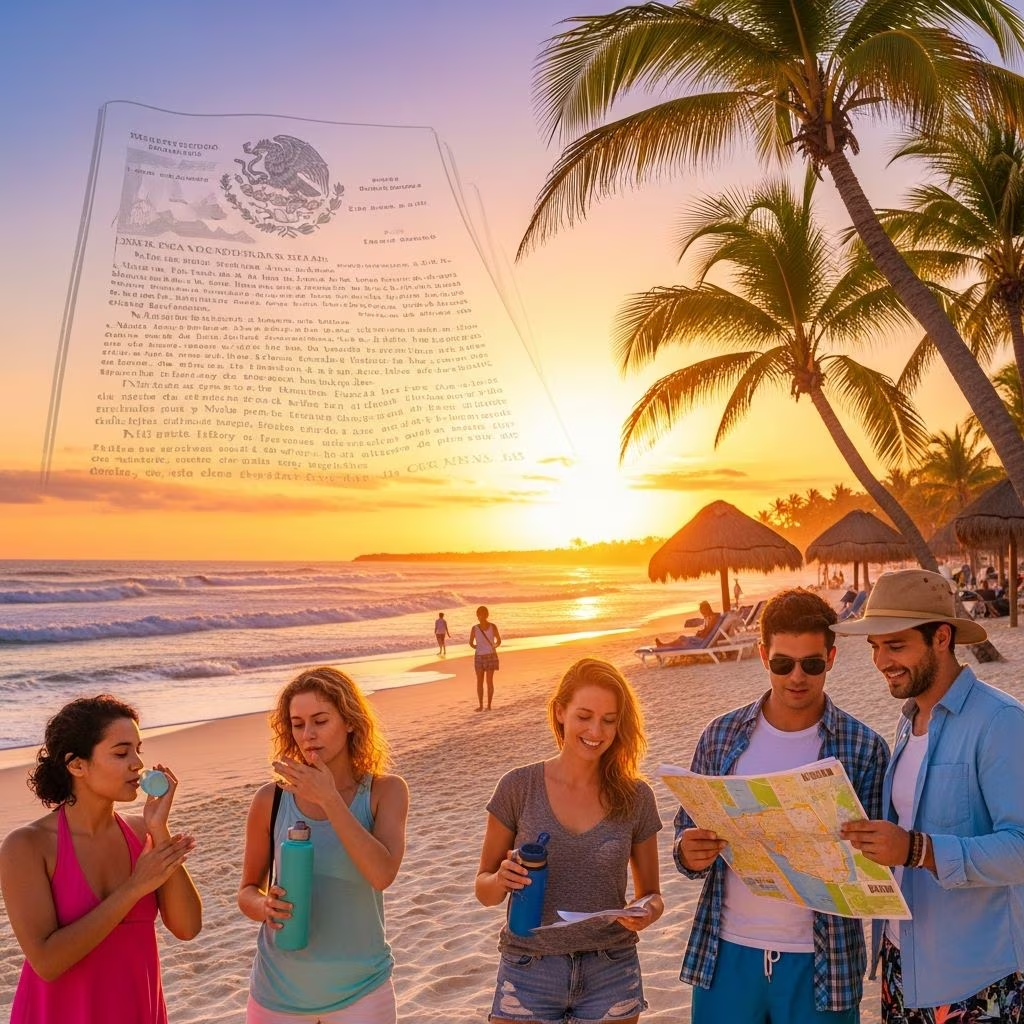
Mexico’s vibrant beaches and lively nightlife draw millions of U.S. travelers each spring break, but unfamiliar laws and risks demand preparation. This guide equips you with actionable legal knowledge to navigate popular destinations like Cancun, Tulum, and Los Cabos confidently.
Understanding Mexico’s Security Landscape
Crime, including violent incidents, occurs across Mexico, even in tourist hotspots. The U.S. Department of State advises heightened caution in downtown areas of Cancun, Playa del Carmen, and Tulum, particularly after dark. Recent events, such as the elimination of a major cartel leader in February, have led to temporary spikes in retaliatory violence, including roadblocks and arson in affected states.
While resort zones generally remain operational with bolstered police presence, travelers may encounter more uniformed personnel, checkpoints, or unexpected closures. These measures protect visitors, but staying informed is key. Enroll in the Smart Traveler Enrollment Program (STEP) for real-time alerts and easier emergency contact.
- Monitor the Mexico Travel Advisory daily for state-specific risks.
- Stick to well-lit, populated tourist zones, especially at night.
- Build flexibility into itineraries for potential flight delays or service disruptions.
Strict Prohibitions on Drugs and Synthetics
Mexico enforces zero-tolerance for drug possession and use, including medical marijuana, which can result in extended prison terms. Synthetic drugs or counterfeit pills have caused severe illnesses and fatalities among U.S. citizens.
Avoid any involvement with narcotics to prevent life-altering consequences. Cartel-related activities can spill into tourist areas unpredictably, heightening risks.
| Risk Factor | Consequences | Prevention Steps |
|---|---|---|
| Drug Possession | Lengthy jail sentences | Say no to offers; report suspicions to authorities |
| Synthetic/Fake Pills | Illness or death | Never consume unknown substances |
| Cartel Encounters | Violence exposure | Avoid non-tourist areas; travel in groups |
Dangers of Unregulated Alcohol Consumption
Tainted or unregulated alcohol has led to unconsciousness, injuries, and health crises for travelers. Always watch your drinks in bars and clubs, and opt for sealed bottles from reputable sources.
Report suspected contaminated alcohol to COFEPRIS via their online form or hotline at +52 01-800-033-5050. Responsible drinking preserves enjoyment and safety.
- Never leave beverages unattended.
- Choose establishments in hotel zones with good reviews.
- Seek immediate medical help if feeling unwell after drinking.
Beach and Water Safety Imperatives
Mexico’s stunning coastlines hide hazards like powerful rip currents and undertows, especially where lifeguards or warning signs are absent. Drownings are a leading cause of spring break incidents.
Swim only at flagged beaches: green for safe, yellow for caution, red for prohibited. Avoid water after alcohol consumption, and heed local advisories.
Common Beach Risks Table
| Flag Color | Condition | Recommended Action |
|---|---|---|
| Green | Low hazard | Swim with caution |
| Yellow | Medium hazard | Waist-deep only; no diving |
| Red | High hazard | No swimming |
Navigating Arrests and Public Conduct Laws
Mexican authorities strictly penalize public intoxication, open containers in vehicles, public urination, and disorderly behavior, often leading to arrests and fines. Firearms and ammunition are completely banned, with severe jail time for violations.
Immigration overstay or visa violations trigger detention and penalties. Keep your passport and FMM (tourist permit) secure, noting your departure date.
- Use official taxis or apps like Uber/Didi from airport stands.
- Travel with sober companions prioritizing safety.
- Monitor cards for fraud; use ATMs in busy areas.
Medical and Insurance Preparedness
Private hospitals charge premium rates, often requiring upfront payment. Verify your health plan’s Mexico coverage or purchase travel insurance with evacuation benefits.
In emergencies, dial 911—Spanish speakers improve response times. Download the Guest Assist app for Quintana Roo regions like Cancun and Tulum.
Proactive Travel Planning Checklist
- Share itinerary with family; enable location sharing.
- Secure documents digitally and physically.
- Use ride-shares or hotel shuttles; avoid hitchhiking.
- Stay hydrated, limit alcohol, and group up for nightlife.
- Know consulate locations: e.g., Cancun Consulate at +52-998-883-0272.
Frequently Asked Questions (FAQs)
Is medical marijuana legal in Mexico for tourists?
No, all drug possession, including medical marijuana, is illegal and punishable by jail time.
What should I do if encountering a police checkpoint?
Remain calm, cooperate fully, and present documents politely. Checkpoints enhance security.
Are U.S. health insurances valid in Mexico?
Many are not; buy supplemental travel insurance covering medical evacuations.
Can I bring my firearm to Mexico for protection?
No, all guns and ammo are prohibited, leading to long prison sentences.
What app helps with emergencies in Cancun?
Guest Assist provides services in Quintana Roo tourist areas.
How do I report tainted alcohol?
Contact COFEPRIS online or at +52 01-800-033-5050.
Is it safe to use ATMs in Mexico?
Yes, but choose busy, indoor ones and monitor accounts.
Building Resilience Against Common Pitfalls
Beyond basics, cultural nuances matter. Anti-American sentiments can flare amid cartel tensions, so low-profile behavior helps. Night travel outside resort zones risks encounters with unrest. Hotels often provide the safest real-time intel—leverage front desks.
For groups, designate a sober navigator. Solo travelers: inform contacts daily. Digital backups of passports via apps like Google Drive prevent immigration hassles.
Recent Developments and Ongoing Vigilance
As of early 2026, post-cartel leader operations stabilize most areas, but Quintana Roo sees patrols. Los Cabos maintains standard precautions. Conditions evolve; daily advisory checks are non-negotiable.
Penn State advisories highlight potential for alarming scenes without direct threats to tourists. Smart choices yield memorable trips.
References
- Message for U.S. Citizens: Spring Break Travel — U.S. Embassy & Consulates in Mexico. 2024. https://mx.usembassy.gov/message-for-u-s-citizens-spring-break-travel-2/
- Spring break travel advisory: What Penn Staters need to know about Mexico — Penn State University. 2024. https://www.psu.edu/news/penn-state-global/story/spring-break-travel-advisory-what-penn-staters-need-know-about-mexico
- Message to U.S. Citizens: Spring Break Travel — U.S. Embassy & Consulates in Mexico. 2024. https://mx.usembassy.gov/message-to-u-s-citizens-spring-break-travel/