
Can Roommates Face Charges for Damaging Belongings?
Uncover the legal risks of tampering with or destroying a roommate's property, from criminal charges to civil remedies.
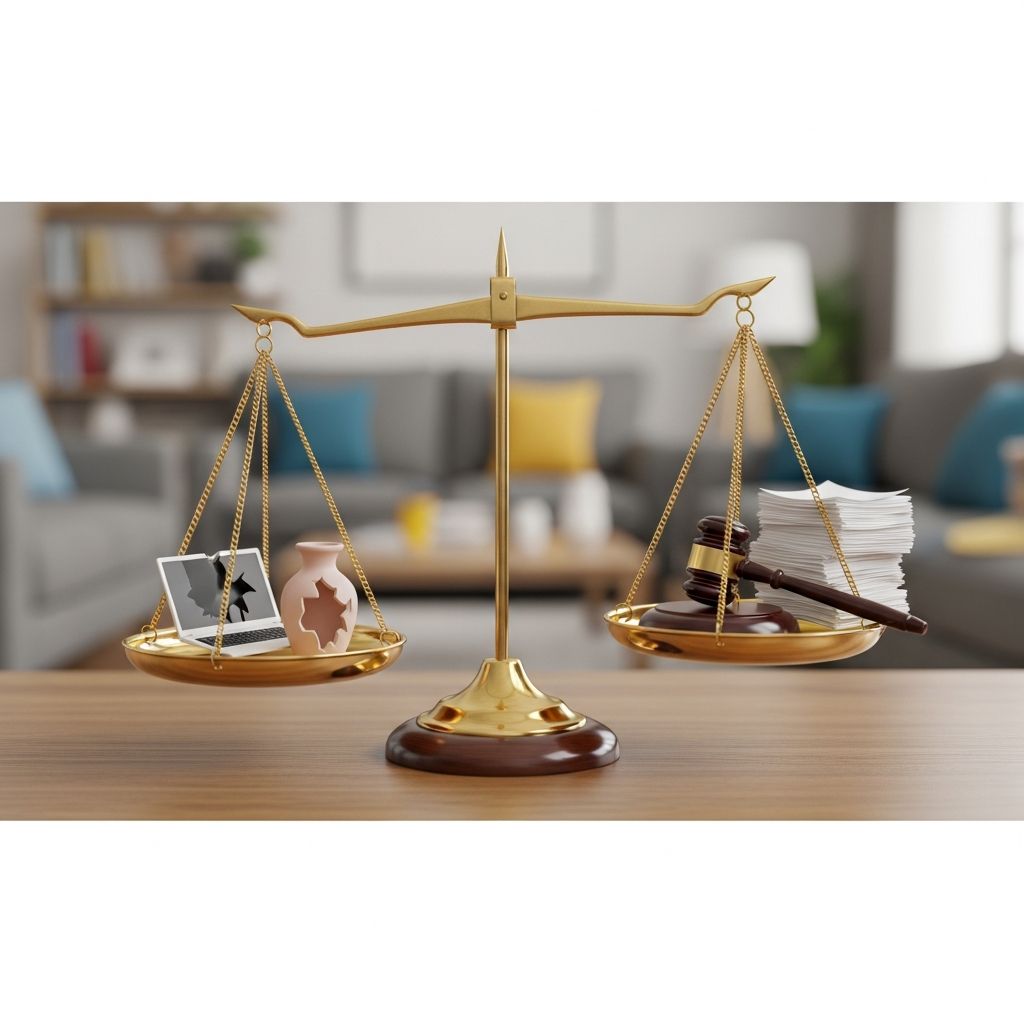
Shared living arrangements often lead to conflicts over personal property, raising questions about legal boundaries. Interfering with a roommate’s items—whether by moving, using, or destroying them—can trigger serious consequences under criminal and civil law. This article examines when such actions cross into illegality, potential penalties, and practical steps for resolution.
Understanding Property Interference in Shared Homes
In cohabitation setups like apartments or dorms, personal belongings remain the exclusive domain of their owners. Even in common spaces, touching or altering someone else’s items without permission violates core legal principles. Courts distinguish between accidental mishaps and intentional acts, with the latter often classified as tampering or vandalism.
Legally, tampering involves unauthorized manipulation of property, while vandalism entails deliberate damage. These acts undermine trust and can escalate to formal disputes. For instance, federal regulations explicitly prohibit tampering with property not under one’s control, highlighting the universal nature of these protections .
When Does Interference Become a Crime?
Not every touch constitutes a crime; context matters. Moving items without permission might not qualify as theft unless there’s intent to permanently deprive the owner. However, deliberate damage, such as slashing clothes or breaking electronics, typically falls under vandalism statutes.
- Key Thresholds for Criminality: Intent, damage extent, and property value determine charges. Minor incidents may be misdemeanors, while significant destruction leads to felonies.
- Examples of Criminal Acts: Pouring liquids on belongings, cutting fabrics, or smashing devices—especially if motivated by spite.
- Non-Criminal Moving: Simply relocating items without harm or theft intent rarely triggers charges, as it doesn’t equate to obstruction or larceny .
State laws vary, but common penal codes, like California’s Penal Code 594, criminalize vandalism based on damage cost. In shared housing, prosecutors prioritize cases with clear evidence, such as photos or witnesses.
Criminal Charges and Penalties Explained
If police investigate, charges could include misdemeanor vandalism, carrying fines up to $1,000 and jail time, or felony for damages over $400. Roommates in dorms face additional institutional sanctions, like eviction.
| Charge Type | Damage Threshold | Potential Penalties |
|---|---|---|
| Misdemeanor Vandalism | Under $400 | Fine, probation, up to 1 year jail |
| Felony Vandalism | Over $400 | Felony record, higher fines, 1-3 years prison |
| Theft/Tampering | Varies by value | Restitution, community service |
Victims can file reports prompting arrests, as advised in roommate disputes . Prosecutors assess malice, often leading to plea deals for first offenses.
Civil Remedies for Property Violations
Beyond criminal courts, civil actions offer compensation. “Trespass to goods” applies when someone unlawfully interferes with possessions, even without damage—using clothes without consent qualifies . Courts may award damages or injunctions barring further access.
“Trespass to land” covers unauthorized room entry, rebutting claims of shared tenancy rights. Success hinges on proving exceeded permissions, like drawer rummaging . Though lawsuits cost time, they deter repeat offenses.
Defenses Roommates Might Raise
Accused parties often claim mutual access to spaces or accidental contact. In theft cases, lack of intent to deprive defeats charges. Consent arguments fail if explicit permission was absent. Evidence like texts or leases bolsters or weakens cases.
- Belief in joint ownership.
- No permanent deprivation intent.
- Provocation by the victim.
Steps to Take if Your Belongings Are Targeted
- Document Everything: Photograph damage, note dates, and gather witnesses.
- Confront Calmly: Seek return or apology before escalating.
- Report to Police: File for vandalism or theft if valuables lost .
- Notify Landlord: Request eviction or mediation.
- Secure Items: Use locks or safes for protection .
- Consult Lawyer: For civil suits or lease disputes.
Early intervention prevents escalation, preserving living arrangements.
Preventing Conflicts in Shared Living
Proactive measures foster peace. Draft roommate agreements outlining property rules, quiet hours, and guests. Designate storage for personal items and respect boundaries.
Mediation services resolve issues without courts. In dorms, resident advisors intervene early. Clear communication averts most disputes.
Special Considerations for Dorms and Sublets
Dorm residents benefit from housing codes amplifying vandalism penalties. Subletters face lease termination clauses. International students should note jurisdictional differences, like Singapore’s theft convictions for dwelling-house intrusions .
Frequently Asked Questions (FAQs)
Is moving my roommate’s items without permission illegal?
No, unless it involves damage or theft intent; it’s not obstruction .
Can I sue for using my clothes without asking?
Yes, under trespass to goods, even if undamaged .
What if damage is under $50?
Still reportable as misdemeanor; pursue restitution .
Does shared rent give access to my room?
No, permissions limit to common areas .
How to evict a destructive roommate?
Notify landlord with police report for lease breach .
Long-Term Implications of Property Disputes
Convictions stain records, affecting jobs and rentals. Victims recover via insurance if covered. Healthy cohabitation demands respect, with laws safeguarding rights.
(Word count: 1678, excluding metadata and references)
References
- Can I go to the police and file a report for my roommate destroying… — Avvo Legal Answers. 2013-10-15. https://www.avvo.com/legal-answers/can-i-go-to-the-police-and-a-file-a-report-for-my–1286073.html
- Handling Roommate Troubles: A Brief Legal Guide — SMU Lexicon (Caren Ong). 2021-05-26. https://smulexicon.com/2021/05/26/handling-roommate-troubles-a-brief-legal-guide/
- 36 CFR § 2.31 – Trespassing, tampering and vandalism — Cornell Law School Legal Information Institute (U.S. Government Code). Current as of 2026. https://www.law.cornell.edu/cfr/text/36/2.31
- Is moving somebody else’s personal property some form of obstruction… — Lawyers.com Ask a Lawyer. N/A. https://ask-a-lawyer.lawyers.com/personal-injury/is-moving-somebody-elsess-personal-property-some-form-of-obstruction-of-private-property-1609705.html
Similar Articles








Read full bio of medha deb




