
Halloween Costume Safety: 5 Practical Tips To Avoid Injuries
Discover the most hazardous Halloween outfits that lead to injuries and learn how to stay safe this spooky season.
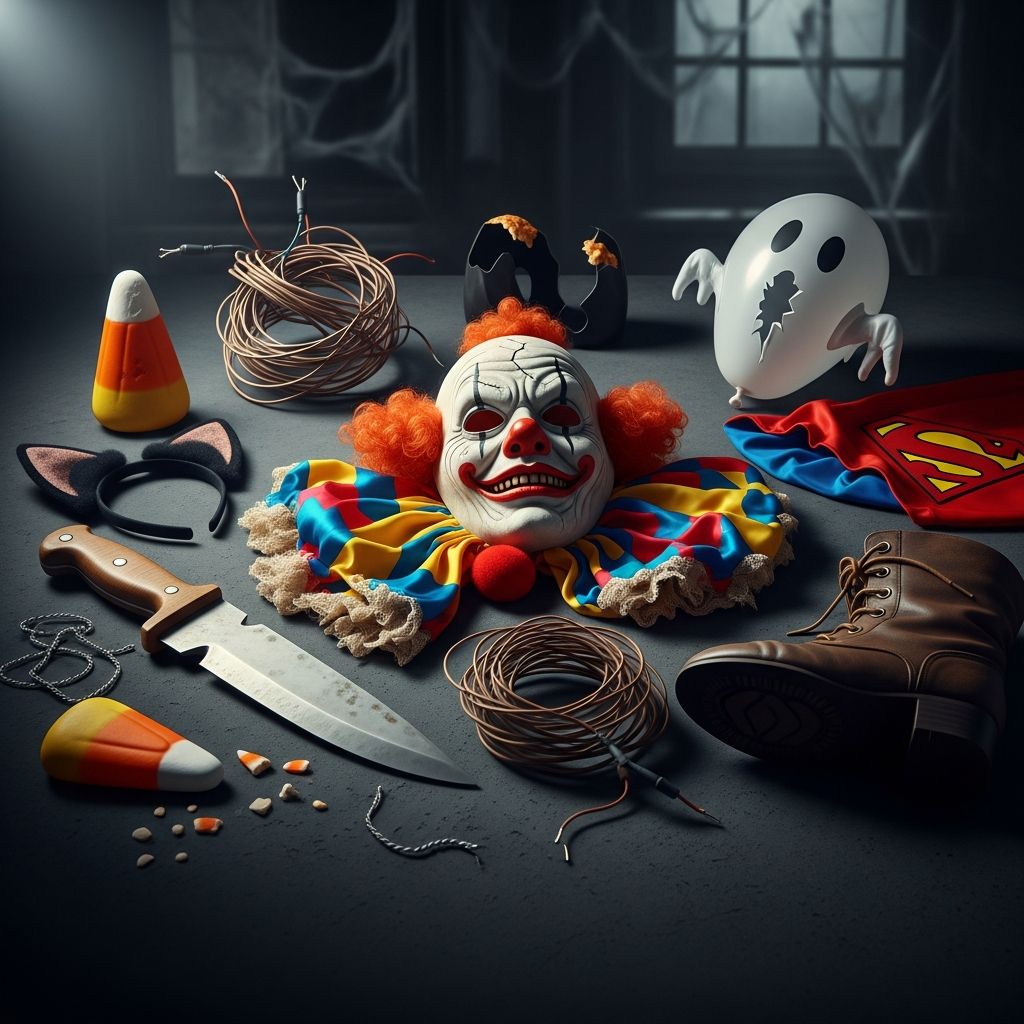
Halloween brings excitement with creative outfits, but certain costumes pose serious safety threats leading to injuries. Each year, emergency rooms see a spike in accidents from poor visibility, flammable materials, and cumbersome designs. Understanding these hazards empowers better choices for a fun, injury-free night.
Hidden Dangers in Popular Disguises
Many beloved costumes hide risks that turn celebrations into medical emergencies. Factors like restricted movement, obscured vision, and unstable props contribute to falls, collisions, and burns. Data from health authorities reveals over 150,000 costume-related injuries annually in the U.S., with children most affected.
Common issues include long capes catching on objects, masks blocking sightlines, and high heels on uneven sidewalks. Adults face similar perils, often amplified by alcohol at parties. Prioritizing safety means selecting outfits that allow full mobility and clear sight.
Costumes with Visibility Blockers
Masks and full-face coverings top the list of hazardous features. These obscure peripheral vision, making it hard to spot cars, curbs, or other trick-or-treaters. A study by the U.S. Consumer Product Safety Commission (CPSC) notes that vision impairment causes 40% of pedestrian accidents on Halloween.
- Full-head masks: Popular for superheroes or monsters, they limit side views and fog up from breath.
- Helmets and hoods: Often used in warrior or animal costumes, they shift during movement.
- Makeup alternatives: Face paint offers scares without sight loss, though it requires testing for allergies.
To mitigate, choose half-masks or add glow-in-the-dark stripes for better detection by drivers.
Flammable Fabrics and Fire Proximity
Halloween’s jack-o’-lanterns, candles, and fire pits create ignition risks for synthetic materials. Polyester and nylon, common in cheap costumes, melt onto skin when lit, causing severe burns. The National Fire Protection Association (NFPA) reports a 20% rise in costume fires during October.
| Material Type | Flammability Risk | Safe Alternative |
|---|---|---|
| Synthetic (Polyester) | High – Melts quickly | Cotton or wool blends |
| Nylon | Very High – Drips burning particles | Flame-retardant treated fabrics |
| Cotton | Low – Burns steadily | Treated cotton |
Inspect labels for flame-resistant certification. Avoid loose, trailing elements near flames.
Cumbersome Accessories Causing Trips
Over-sized weapons, wings, or tails snag on doors, bushes, or feet, leading to stumbles. Children in bulky outfits struggle to navigate stairs or crowds, increasing fall risks. Hospitals report a 30% uptick in ankle sprains and fractures post-Halloween.
- Long swords or scythes: Imbalance shifts center of gravity.
- Capes and trains: Drag on ground, perfect for tripping.
- Wings or antennae: Catch wind or overhead branches.
Opt for lightweight, detachable props. Ensure hems are above ankles.
High Heels and Unstable Footwear
Sexy costumes often feature stilettos or platforms unsuitable for walking dark streets. Uneven pavement, combined with reduced balance from costumes, results in twisted ankles and breaks. Women over 18 account for 25% of footwear-related ER visits on Halloween.
Solutions include flats disguised as heels or supportive boots. Test mobility before the event.
Dark Colors in Low-Light Conditions
Black, deep purple, or navy outfits blend into night, invisible to vehicles until too late. Reflective tape or LED lights are essential add-ons. The CDC emphasizes that high-visibility gear cuts pedestrian risks by 50%.
Legal Ramifications of Costume Mishaps
Injuries from faulty costumes can lead to lawsuits. Manufacturers face liability for not disclosing hazards, while hosts may be responsible for unsafe environments. Personal injury claims often hinge on proving negligence, like selling non-flame-retardant items.
Document incidents with photos and medical reports. Consult attorneys specializing in product liability.
Safety Strategies for a Secure Halloween
- Choose bright, reflective costumes.
- Opt for makeup over masks.
- Secure all accessories firmly.
- Use flashlights and stay on lit paths.
- Supervise children closely.
Host safely by replacing candles with LEDs and clearing walkways.
Age-Specific Hazards and Precautions
For Children
Youngsters in oversized outfits risk tripping; ensure proper fit and avoid sharp props.
For Teens
Group costumes amplify collision risks; enforce buddy systems.
For Adults
Impaired judgment from drinks heightens dangers; designate sober escorts.
Emerging Trends and New Risks
2026 sees rises in tech costumes with lights or animatronics, introducing battery fire and tripping hazards. Viral social media outfits prioritize looks over safety.
Frequently Asked Questions (FAQs)
What should I do if a costume catches fire?
Stop, drop, and roll immediately. Extinguish flames with water or a blanket. Seek medical help for burns.
Are expensive costumes safer?
Not always; check labels regardless of price. Professional makeup kits reduce mask needs.
How can I make any costume safer?
Add reflective tape, shorten hems, and test for mobility.
Who is liable for Halloween injuries?
Potentially manufacturers, retailers, or property owners based on negligence.
Should I let kids carry fake weapons?
Prefer soft, flexible versions under 12 inches to minimize harm.
Building a Safer Wardrobe from Scratch
DIY costumes allow control over materials. Start with breathable fabrics, reinforce seams, and incorporate safety features like Velcro releases for capes. Community workshops promote safe crafting.
Trends lean toward “ugly-cute” monsters with padded but secure designs, blending fun and caution.
Party hosts: Designate no-flame zones and provide glow sticks. Schools and neighborhoods benefit from safety drives distributing reflective bands.
In summary, vigilance transforms potential disasters into delightful evenings. By sidestepping these pitfalls, everyone enjoys the thrill without the trauma.
References
- 2023 Annual Report of Fire Loss in the United States — National Fire Protection Association. 2024-10-15. https://www.nfpa.org/News-and-Research/Data-research-and-tools/reports-and-statistics/fires-by-year
- Halloween Safety Tips — U.S. Consumer Product Safety Commission. 2025-09-20. https://www.cpsc.gov/s3fs-public/HalloweenSafety.pdf
- Pedestrian Safety During Halloween — Centers for Disease Control and Prevention. 2024-11-01. https://www.cdc.gov/transportationsafety/pedestrian/index.html
- Product Safety Report: Children’s Costumes — U.S. Consumer Product Safety Commission. 2023-10-25. https://www.cpsc.gov/Recalls
- Fire Hazards in Costumes — National Fire Protection Association. 2025-08-12. https://www.nfpa.org/education-and-research/home-fire-safety/halloween
Similar Articles








Read full bio of Sneha Tete




