
IVC Filters: 4 Major Mechanical Failures, Safety Risks In 2025
Uncover the hidden dangers of IVC blood clot filters, from fractures to migrations, and understand patient rights in medical device failures.
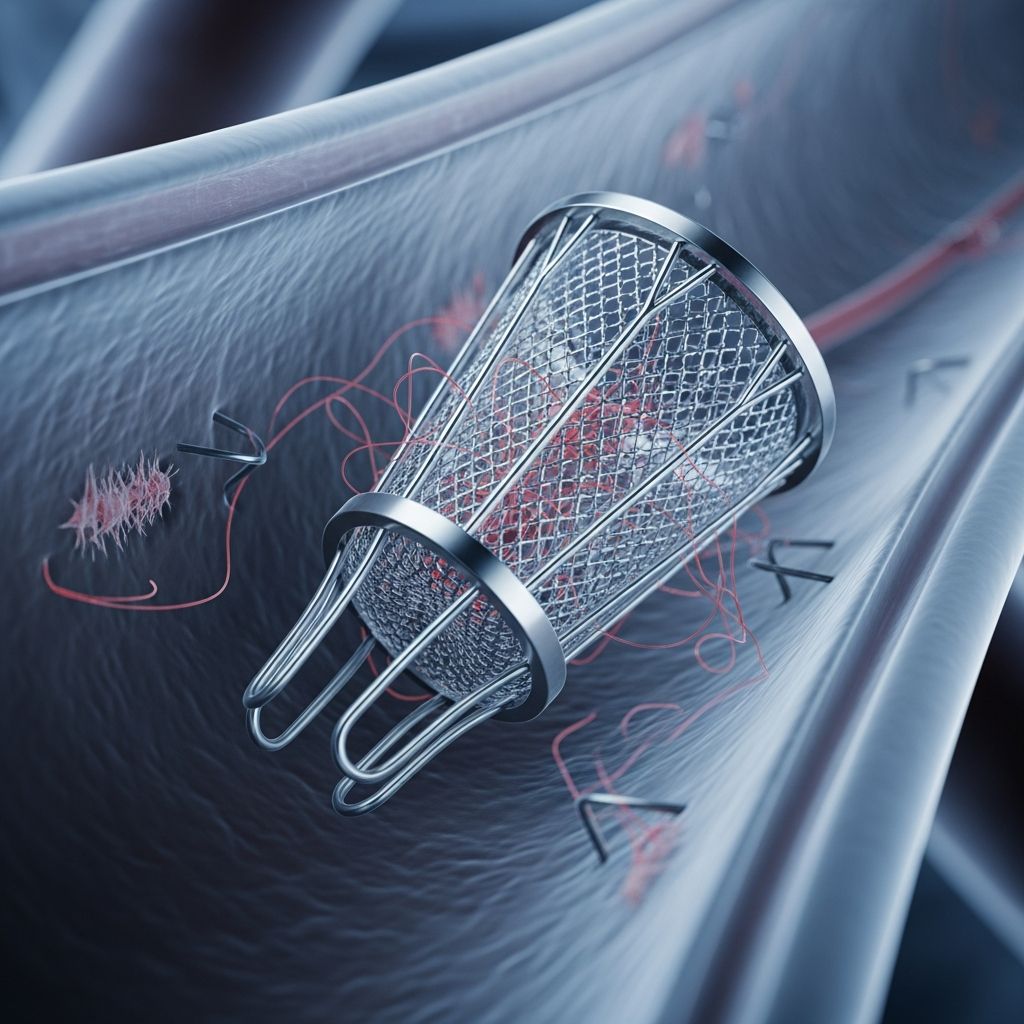
Inferior vena cava (IVC) filters are small, cage-like devices implanted in the large vein that carries blood from the lower body to the heart. Designed to capture blood clots and prevent them from causing life-threatening pulmonary embolisms, these filters serve patients who cannot use anticoagulant medications, such as those recovering from surgery, trauma, or with bleeding disorders. While they can be lifesaving, mounting evidence from clinical reports and regulatory bodies highlights substantial safety issues, including device malfunctions that lead to severe injuries or death.
Understanding IVC Filters and Their Intended Role
IVC filters come in two main types: permanent and retrievable. Permanent filters stay in place indefinitely, while retrievable ones are meant for temporary use, ideally removed once the risk of clotting diminishes. Placement typically occurs via a minimally invasive catheter procedure through the groin or neck vein, guided by imaging. The filter expands like an umbrella to trap clots without blocking normal blood flow.
According to medical guidelines, these devices are recommended for cases of acute deep vein thrombosis (DVT) where blood thinners pose too high a risk. However, their use has surged, with hundreds of thousands implanted annually in the U.S., prompting scrutiny over whether benefits always outweigh potential harms.
Common Complications During Implantation
The insertion process, though routine, is not risk-free. Short-term issues arise immediately or soon after placement:
- Bleeding or infection at the catheter entry site, affecting a notable percentage of patients.
- Vessel damage, including tears or punctures during navigation to the IVC.
- Allergic reactions to contrast dye used in fluoroscopy, potentially leading to kidney issues.
- Air embolism or irregular heart rhythms from procedural errors.
Rare but serious events include pneumothorax (collapsed lung) or hemothorax (blood accumulation around the lung). Studies estimate 2% to 35% of patients develop clots at the insertion site, underscoring the irony of a device meant to prevent clotting introducing new risks.
Long-Term Mechanical Failures
Retrievable filters, intended for short-term use, often remain implanted far longer, amplifying dangers. Key mechanical failures include:
| Complication | Description | Reported Incidence |
|---|---|---|
| Device Migration | Filter shifts from placement site, potentially perforating organs or causing blockages. | 328 cases in FDA reports (2005-2010) |
| Filter Perforation | Struts puncture IVC wall, risking damage to adjacent structures like intestines or lungs. | 70 FDA reports |
| Filter Fracture | Device breaks, sending fragments to heart, lungs, or brain. | 56 FDA reports |
| Component Detachment | Broken pieces embolize, mimicking the clots the filter aims to stop. | Common in fractured devices |
These failures can turn a protective measure into a hazard. For instance, migrated or fractured filters have been linked to pericardial tamponade, organ perforation, and fatalities.
Thrombotic and Vascular Risks
Paradoxically, IVC filters can promote clotting. Filter-associated IVC thrombosis occurs when clots form on or around the device, leading to leg pain, swelling, and ulcers. Deep vein thrombosis risk doubles within two years post-implantation, with incidence up to 43%. Caval thrombosis rates range from 2% to 30%.
Blood flow obstruction from filter tilt or excessive clotting causes lower extremity edema, sometimes severe enough to impair mobility. In extreme cases, complete IVC blockage results in bilateral leg swelling and chronic venous insufficiency.
FDA Oversight and Regulatory Actions
The U.S. Food and Drug Administration (FDA) has tracked IVC filter issues since the early 2000s. Between 2005 and 2010, over 900 adverse events were reported, prompting a 2010 safety communication urging removal of retrievable filters when feasible. Subsequent warnings targeted specific manufacturers like C.R. Bard, whose Recovery filter was tied to 27 deaths and 300+ complications in one investigation.
Physicians receive directives to assess removal candidacy promptly, as prolonged indwelling heightens risks. Despite this, retrieval rates remain low—less than 10% in some studies—due to patient non-compliance, physician oversight, or procedural complexities.
Challenges and Dangers of Filter Removal
Removing a retrievable filter involves snaring it via catheter, but success isn’t guaranteed. Risks mirror insertion but intensify with embedding:
- Excess bleeding or vessel injury during extraction.
- Infection reactivation or new clots from manipulation.
- Filter embedment, where struts adhere to the wall, complicating retrieval.
- Fragmentation during removal, dispersing pieces systemically.
Failure to remove leaves ongoing threats, including chronic perforation or thrombosis. Providers weigh these against pulmonary embolism risk, often favoring conservative monitoring.
Patient Symptoms and When to Seek Help
Complication signs vary but demand urgent attention:
- Sudden chest pain, shortness of breath, or rapid heartbeat (possible embolism from fragments).
- Persistent leg pain, swelling, or skin changes (DVT or thrombosis).
- Abdominal/flank pain (perforation).
- Fever, chills (infection).
Patients with implanted filters should undergo periodic imaging and discuss removal with vascular specialists. Early detection via CT or X-ray can prevent escalation.
Legal Recourse for IVC Filter Victims
Thousands of lawsuits allege defective design in filters from Bard, Cook Medical, and others, claiming manufacturers prioritized profits over safety. Multidistrict litigation has consolidated cases, with settlements exceeding billions. Victims report fractures requiring open-heart surgery, chronic pain, or wrongful death.
Eligibility for claims hinges on documented injury from device failure. Statutes of limitations vary by state, typically 1-3 years from injury discovery. Consulting personal injury attorneys specializing in medical devices is crucial for navigating FDA databases (MAUDE) and expert testimony.
Alternatives to IVC Filters
Emerging strategies reduce filter reliance:
- Advanced anticoagulants like direct oral agents (DOACs) for broader patient tolerance.
- Catheter-directed thrombolysis to dissolve clots directly.
- Compression therapy and lifestyle interventions for DVT prevention.
Guidelines now emphasize filters as last-resort, favoring medical management where possible.
Frequently Asked Questions (FAQs)
Who qualifies for an IVC filter?
Patients with DVT/PE unable to take blood thinners, such as those with recent surgery, trauma, or bleeding risks.
How long should a retrievable IVC filter stay in?
Removal is advised as soon as clotting risk subsides, often within months, per FDA.
Can IVC filters be removed years later?
Possible but riskier due to embedment; success rates drop after 3 years.
Are all IVC filters dangerous?
Not all, but certain models show higher failure rates; discuss specifics with your doctor.
What compensation is available for complications?
Lawsuits have yielded settlements; outcomes depend on injury severity and evidence.
References
- What Are the Possible Dangers of Having an IVC Blood Clot Filter? — Salvi Law. 2023. https://www.salvilaw.com/blog/dangers-of-ivc-blood-clot-filters/
- IVC Filter Risks, Recalls & Lawsuits — Drugwatch. 2025-10-15. https://www.drugwatch.com/ivc-filters/
- Four Dangerous Side Effects Linked to IVC Filters — Lowenthal & Abrams. 2024. https://lowenthalabrams.com/blog/4-dangerous-side-effects-linked-to-ivc-filters/
- Vena Cava Filters: Purpose & Placement — Cleveland Clinic. 2025-03-20. https://my.clevelandclinic.org/health/treatments/17609-vena-cava-filters
- Inferior Vena Cava (IVC) Filter Placement and Removal — Yale Medicine. 2024-11-05. https://www.yalemedicine.org/conditions/ivc-filter-placement-and-removal
- Complications of Inferior Vena Caval Filters — PMC – NIH. 2011-02-15. https://pmc.ncbi.nlm.nih.gov/articles/PMC3036364/
Similar Articles








Read full bio of medha deb




