
Risks of Copy-Pasting: Key Legal Pitfalls
Uncover the serious legal consequences of casually copying content online and learn safe practices for digital creators.
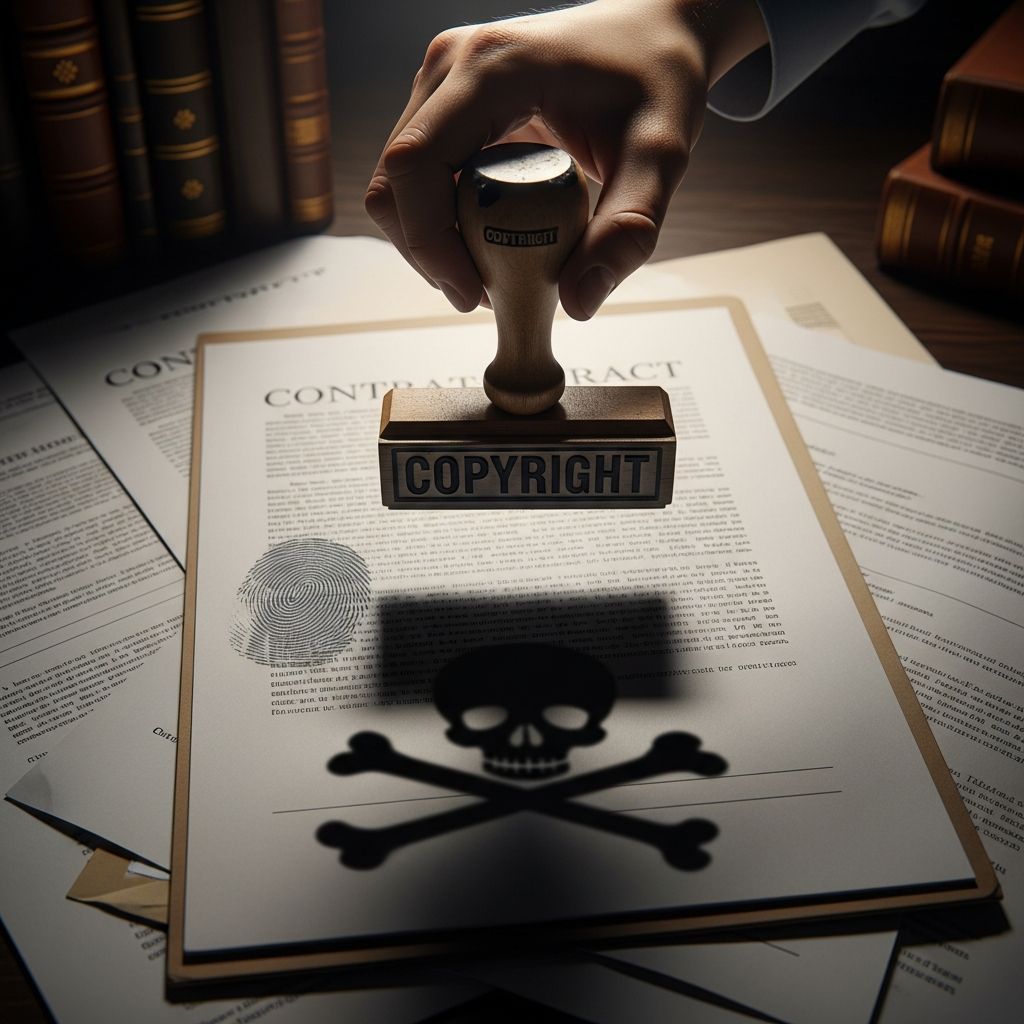
Copying and pasting content from the internet has become second nature for many in today’s digital world. However, this convenient practice carries substantial legal risks that can lead to lawsuits, fines, and reputational damage. This article examines the primary legal concerns, real-world examples, and practical strategies to navigate these issues safely.
Understanding Copyright Fundamentals
Copyright law protects original works of authorship fixed in a tangible medium, including text, images, videos, and software. In the United States, protection arises automatically upon creation, without the need for registration, though registering with the U.S. Copyright Office strengthens enforcement rights.
Simply copying substantial portions of protected material without permission constitutes infringement, even if attribution is given. Courts assess factors like the amount copied, its purpose, and market impact on the original work.
- Automatic Protection: No formalities required for basic rights.
- Registration Benefits: Enables statutory damages up to $150,000 per willful infringement.
- Fair Use Defense: Limited exceptions for criticism, education, or parody, but rarely covers wholesale copying.
Common Traps in Online Content Reuse
Bloggers, marketers, and social media users frequently encounter tempting content online. A striking image or insightful paragraph seems perfect for one’s own post. Yet, using it verbatim or even slightly altered can trigger liability.
Image theft is particularly rampant. Search engines make it easy to find visuals, but many are copyrighted. ‘Copyright trolls’ deliberately seed images to catch unwitting users, demanding settlements from $1,000 to $10,000.
| Common Practice | Legal Risk | Safe Alternative |
|---|---|---|
| Copy-pasting full articles | Direct infringement | Link and summarize |
| Grabbing Google images | Troll lawsuits | Use stock photo sites like Unsplash (public domain) |
| Social media reposts without permission | Platform takedowns + suits | Share links only |
Plagiarism in Professional Contexts
Beyond general online use, cut-and-paste habits pose acute dangers in regulated fields like law. Attorneys drafting briefs or pleadings often draw from public filings, but verbatim copying without attribution can lead to plagiarism claims and ethical violations.
In one notable case, a California IP lawyer faced a copyright lawsuit after allegedly lifting large sections from a co-defendant’s draft brief. The court rejected fair use arguments, holding the attorney liable. Similarly, a Connecticut lawsuit against WWE copied an NFL concussion complaint almost entirely, resulting in motions for sanctions due to sloppy edits leaving mismatched references.
Bar associations view unattributed copying as misrepresentation to the court, potentially violating rules against dishonesty (e.g., ABA Model Rule 8.4(c)). Consequences include suspension, as seen in an Iowa case where a lawyer was disciplined for lifting from a legal treatise.
Intellectual Property Ownership Challenges
Content creators must clarify ownership rights, especially when outsourcing work. Without explicit contracts transferring IP, freelancers retain copyrights, leaving businesses unable to fully use or protect the material.
Social media amplifies these issues. Reposting others’ content without rights risks infringement, while failing to protect one’s own invites plagiarism. Businesses should implement review policies: designate a compliance officer to vet posts for IP issues and require attribution where permissible.
Strategies to Avoid Legal Exposure
Prevention is far cheaper than litigation. Here are actionable steps:
- Register Your Work: File with the U.S. Copyright Office for key assets to unlock enhanced remedies.
- Post Clear Terms: Add a website policy stating usage rules, e.g., ‘All content copyrighted; limited linking permitted.’
- Use Technology: Disable right-clicks, watermark images, and monitor for theft via tools like Google Alerts or Copyscape.
- Curate Ethically: Quote briefly (under 10% of work), always attribute, and link back.
- Consult Experts: Engage IP attorneys for guidelines, especially in high-stakes industries.
For contracts, specify ‘work-for-hire’ clauses ensuring IP vests in the client upon payment.
Case Studies: Lessons from the Courts
The Brief Copying Debacle
A tech firm shared a draft brief; opposing counsel filed a near-identical version. The court awarded damages, emphasizing that legal documents, though public, retain copyright protection absent fair use.
WWE vs. Copycat Complaint
Plaintiffs’ 122-page filing plagiarized an NFL suit, with errors like NFL player names intact. The judge sanctioned amendments, highlighting sloppy practice as unethical.
Global Perspectives and Evolving Laws
While U.S. law dominates discussions, EU directives like the Digital Single Market enforce stricter takedown rules. Platforms like YouTube use Content ID to auto-detect matches, leading to demonetization or removal.
Recent U.S. cases affirm that even short clips can infringe if they harm the market, as noted in creator-focused legal analyses.
Frequently Asked Questions
Is giving credit enough to use someone else’s content?
No. Attribution does not override copyright; permission or fair use is required.
Can I copy from public domain sources?
Yes, but verify status—many assume old works are free, but renewals or foreign laws may apply.
What if I modify the content slightly?
Transformative changes might qualify as fair use, but substantial similarity often leads to liability.
How do I protect my own content?
Register copyrights, use notices, terms of use, and monitoring tools.
Are lawyers immune from plagiarism claims?
No; ethical rules prohibit misrepresentation, with sanctions possible.
Building a Compliant Content Strategy
Organizations should train teams on IP basics, audit existing content, and foster a culture of originality. Tools like Creative Commons licenses enable legal sharing, while AI detectors flag potential issues.
Ultimately, the ease of copying belies its risks. Prioritizing ethical practices safeguards reputation and finances.
References
- Copyright Basics — U.S. Copyright Office. 2023-01-01. https://www.copyright.gov/help/faq/faq-general.html
- Formal Opinion 2018-3: Ethical Implications of Plagiarism in Court Filings — New York City Bar Association. 2018-12-15. https://www.nycbar.org/reports/formal-opinion-2018-3-ethical-implications-of-plagiarism-in-court-filings/
- Cut and Paste Can Lead to a Plagiarism Claim — Lawyers Mutual Insurance Company. 2022-05-10. https://lawyersmutualnc.com/article/cut-and-paste-can-lead-to-a-plagiarism-claim/
- Copyright Law of the United States — U.S. Government Publishing Office. 2024-03-01. https://www.copyright.gov/title17/
- Legal Issues with Social Media — High Swartz LLP. 2023-07-20. https://highswartz.com/legal-insights/legal-issues-with-social-media/
Similar Articles








Read full bio of medha deb




