
The Resurgence of Online Privacy Lawsuits
Exploring the dramatic rise in internet privacy litigation and its implications for businesses in 2026 amid evolving laws and tech.
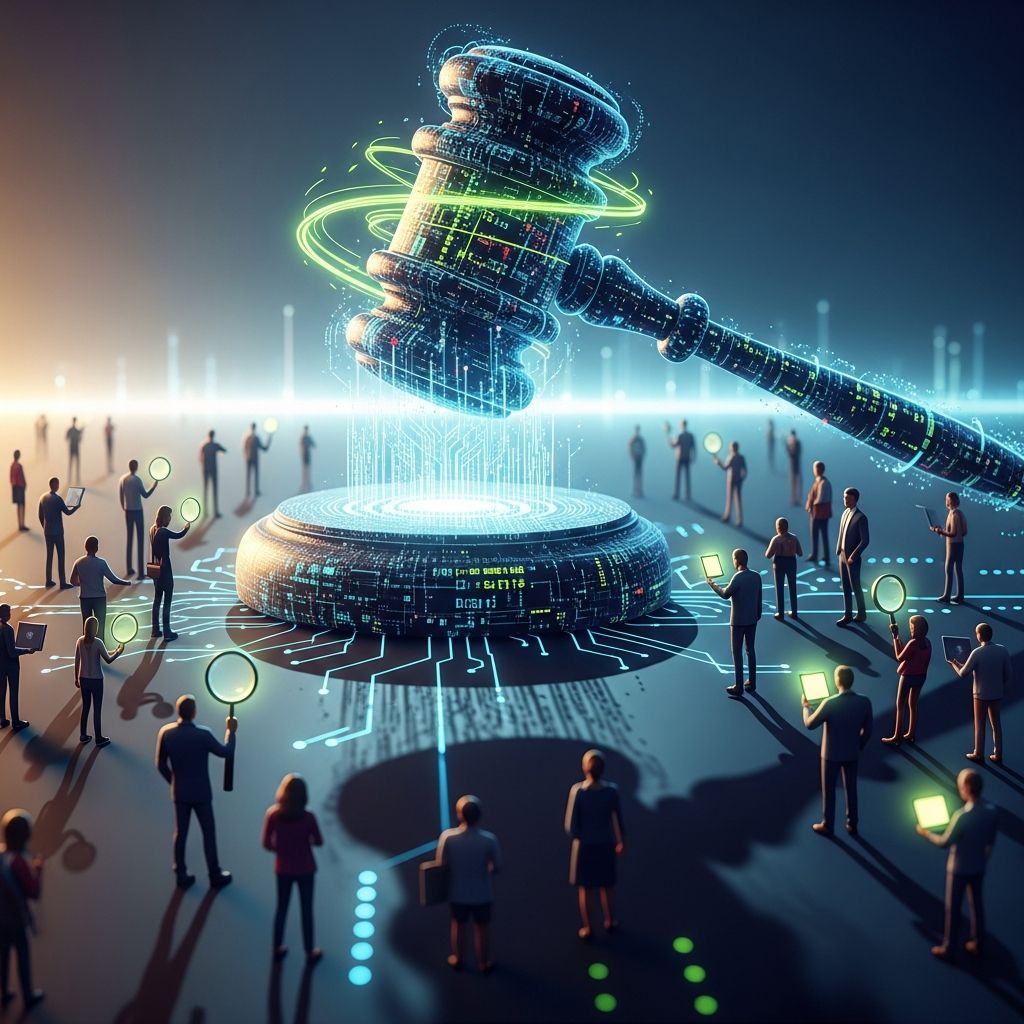
In 2026, businesses face an unprecedented wave of litigation centered on digital privacy practices, particularly those involving website tracking technologies like cookies, pixels, and session replay tools. This surge marks a shift from earlier years, where such claims were sporadic, to a mature and aggressive plaintiff strategy exploiting older statutes in new contexts.
Drivers Behind the Litigation Boom
The rapid proliferation of data collection methods has fueled this legal escalation. From 2023 to 2025, online privacy lawsuits skyrocketed, with nearly 4,000 cases filed in 2024 alone—up from just over 200 the prior year. By early 2026, claims spanned 315 courts across 45 states and the District of Columbia, targeting 3,512 unique defendants, including B2B firms and nonprofits.
Key factors include:
- Pervasive Tracking Technologies: Pixels, cookies, and AI-enhanced tools capture user interactions without clear consent, inviting scrutiny under wiretap-like statutes.
- State Privacy Law Expansion: Twenty states now enforce comprehensive privacy laws, creating a patchwork that amplifies litigation risks even without private rights of action.
- Plaintiff Innovation: Firms adapt consumer protection playbooks to privacy, blending statutory violations with common law theories.
This convergence of technology and law has transformed routine web practices into high-stakes battlegrounds.
Key Statutes Fueling the Fire
Plaintiffs increasingly invoke pre-digital era laws, stretching their application to modern web tools. The California Invasion of Privacy Act (CIPA) remains a cornerstone, with claims dubbed “wiretap” or “trap and trace” targeting social media pixels and chat features. Penalties can reach $5,000 per violation, making class actions lucrative.
| Statute | Focus Areas | Recent Trends (2026) |
|---|---|---|
| CIPA (Cal. Penal Code § 631) | Website pixels, session replay | Twice as many decisions in Jan 2026 vs. Dec 2025; most deny dismissals |
| Federal Wiretap Act / ECPA | Emerging tech like drones, sensors | “Crime tort” exception expanded; standing upheld in data broker cases |
| VPPA | Video PII disclosure | Circuit split widens; courts reject prior tests |
| BIPA / CIPA Variants | Biometrics, child protection | Narrower theories post “no-injury” pushback |
These laws, designed for phone taps, now scrutinize HTTP transmissions, with courts grappling over consent and interception definitions.
Evolution of Legal Theories
Beyond statutes, common law claims proliferate where privacy laws lack private enforcement. Invasion of privacy under state constitutions (e.g., California), unjust enrichment, trespass to chattels, negligence, and misrepresentation form a robust arsenal. Plaintiffs allege that tracking tools convert user data or breach implied contracts.
In cyber breach suits, focus shifts from the incident to corporate response: disclosure speed, communication clarity, and preventive controls. This maturation promises more sophisticated class actions in 2026.
ECPA litigation surges as courts apply the “crime tort” exception beyond healthcare, denying dismissals where underlying harms like intrusion upon seclusion are pled.
Court Rulings Shaping 2026
January 2026 delivered pivotal decisions. In the Northern District of California, four rulings rejected CIPA dismissals, affirming standing for internet-wide tracking claims. One data broker case upheld intrusion allegations as concrete injury.
Service providers occasionally prevail on consent defenses, but VPPA cases highlight a growing circuit split over PII disclosure standards. The first PTFA decision in 15 years signals renewed interest in older privacy torts.
Federal courts increasingly deny standing challenges, emboldening plaintiffs. Meanwhile, “no-injury” claims face headwinds, prompting pivots to fact-specific harms under ECPA, CIPA, and BIPA.
Business Sectors at Risk
No industry is immune. Consumer-facing sites lead, but B2B, nonprofits, and even internal tools draw fire. E-commerce, media, healthcare, and finance see heightened exposure due to analytics reliance.
- High-Risk Tech: Session replay, chatbots, AI monitoring amplify CIPA risks.
- Cross-Sector Spread: 3,512 defendants in 2025 show broad targeting.
- Global Echoes: U.S. trends influence international compliance.
Risk Mitigation Strategies
Proactive audits are essential. Organizations should:
- Map tracking technologies and data flows.
- Implement granular consent banners compliant with state laws.
- Vet vendors for liability passthrough.
- Train on post-breach protocols.
- Monitor litigation trackers for early warnings.
With 20 state laws active, multi-jurisdictional compliance tools and legal counsel are vital. Early settlements in high-value pixel cases set precedents for resolution.
Future Outlook: 2026 and Beyond
Expect intensified enforcement from state AGs and federal agencies, alongside AI governance mandates. Children’s privacy, biometrics, and cyber maturity rules will redefine compliance. Litigation sophistication will rise, with post-incident conduct under the microscope.
While federal privacy legislation stalls, state innovations fill the void, promising a fragmented yet enforceable regime. Businesses ignoring these trends risk not just suits, but reputational and operational fallout.
Frequently Asked Questions
What is driving the surge in privacy lawsuits?
Aggressive plaintiff firms exploit tracking pixels and cookies under wiretap statutes like CIPA, filing thousands of cases amid state law expansions.
Which states have comprehensive privacy laws in 2026?
Twenty states enforce them, creating compliance challenges without uniform federal standards.
How can companies defend against CIPA claims?
Demonstrate user consent for data transmission and audit tools for interception risks; courts often deny dismissals without strong evidence.
Are common law claims viable alternatives?
Yes, theories like unjust enrichment and intrusion upon seclusion succeed where statutes lack private actions.
What role does AI play in future litigation?
AI-enhanced tracking heightens exposure under existing laws, demanding new governance frameworks.
References
- Data, Cyber + Privacy Predictions for 2026 — Morrison Foerster. 2025-12-18. https://www.mofo.com/resources/insights/251218-data-cyber-privacy-predictions-for-2026
- A New Era of Comprehensive Privacy Laws and the Surge in Data Privacy Litigation — Stinson LLP. 2026-01-01. https://www.stinson.com/newsroom-publications-a-new-era-of-comprehensive-privacy-laws-and-the-surge-in-data-privacy-litigation-important-updates-for-2026
- Privacy Litigation Report: Takeaways From January 2026 Decisions — Troutman Pepper. 2026-02-01. https://www.troutmanprivacy.com/2026/02/privacy-litigation-report-takeaways-from-january-2026-decisions/
- Key Areas to Watch as Website Technology Litigation Continues to Surge — Wiley Rein LLP. 2025-12-01. https://www.wiley.law/alert-Key-Areas-to-Watch-as-Website-Technology-Litigation-Continues-to-Surge
- Cybersecurity and privacy priorities for 2026: The legal risk map — CSO Online. 2026-01-01. https://www.csoonline.com/article/4146429/cybersecurity-and-privacy-priorities-for-2026-the-legal-risk-map.html
- Top 10 Privacy, AI & Cybersecurity Issues for 2026 — Workplace Privacy Report. 2026-01-01. https://www.workplaceprivacyreport.com/2026/01/articles/consumer-privacy/top-10-privacy-ai-cybersecurity-issues-for-2026/
Similar Articles








Read full bio of Sneha Tete




