
Restricted Pets: Animals Banned in Most States
Discover why popular animals like big cats, wolves, and exotic species are prohibited as pets across the US, with key exceptions explained.
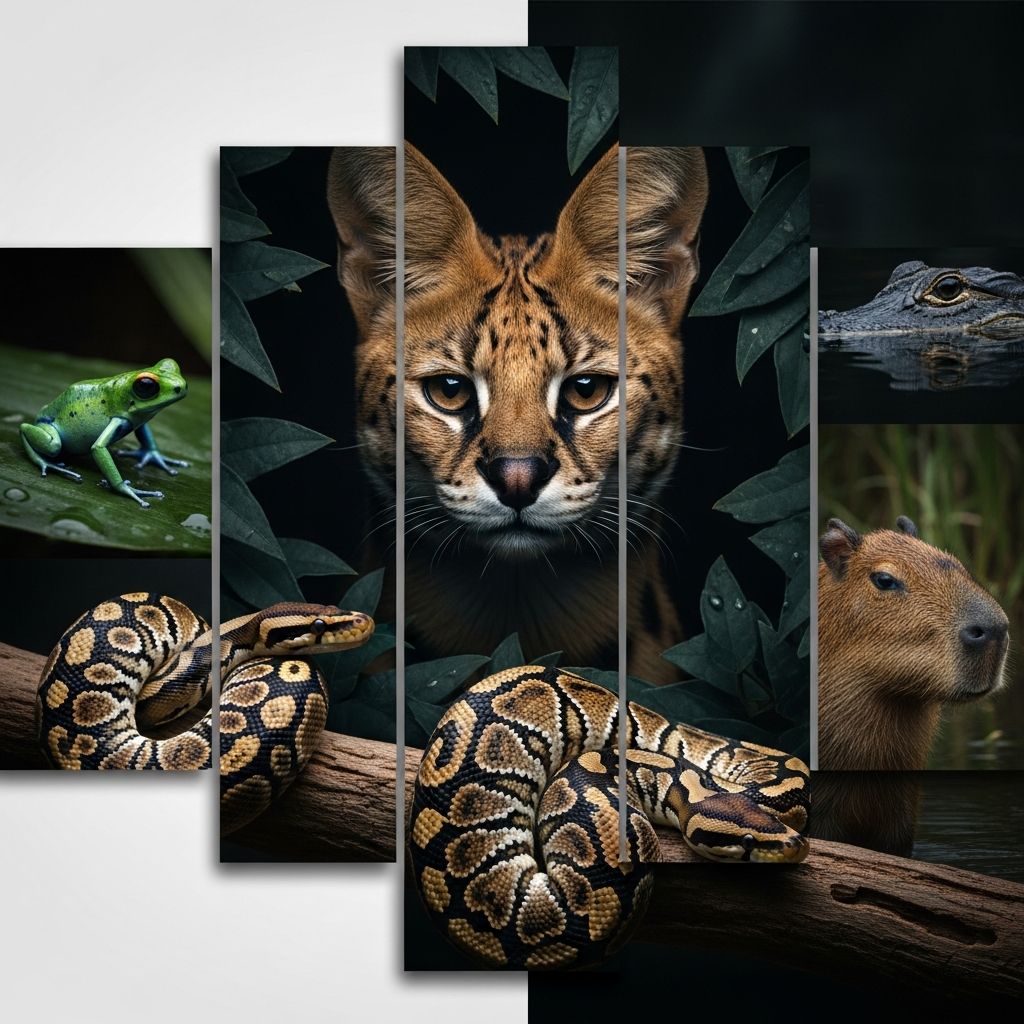
Owning a pet comes with joy and responsibility, but certain animals face strict bans across the United States due to safety hazards, ecological threats, and public health risks. Laws vary by state and locality, often prohibiting wild or exotic species that pose dangers to owners, communities, and native ecosystems. This article examines key restricted animals, explaining the rationale behind bans and highlighting exceptions where permits or special rules apply.
Why Are Certain Animals Prohibited as Pets?
Regulations on pet ownership stem from multiple concerns. Large predators like big cats and bears can cause severe injuries or fatalities due to their strength and instincts. Smaller exotics may carry zoonotic diseases, such as salmonella, transmissible to humans. Invasive species risk escaping and disrupting local wildlife, while some animals simply cannot thrive in captivity, leading to stress-induced aggression. Federal laws, like the Big Cat Public Safety Act, enforce nationwide restrictions, but states and cities add layers of rules. Over 700 municipalities ban specific dog breeds, for instance, based on attack statistics.
Authorities prioritize public welfare: escaped animals could harm ecosystems, and inadequate enclosures often result in attacks. Permits for zoos or research facilities exist, but private ownership rarely qualifies. Always verify local statutes, as violations carry fines, confiscation, or jail time.
Predatory Mammals: Big Cats and Bears Under Scrutiny
Big cats, including lions, tigers, and leopards, top banned lists nationwide. Their predatory nature makes domestication impossible; even hand-raised individuals retain hunting drives. The Big Cat Public Safety Act, enacted in late 2022, prohibits private possession, requiring registration or divestment within 180 days for existing owners. This federal measure addresses incidents of maulings and escapes, protecting both people and animals.
Bears face similar blanket prohibitions in most states. Black bears are outlawed in places like Alabama, Missouri, and Tennessee, while Wyoming bans black and grizzly varieties. Louisiana extends restrictions to polar bears too. These massive creatures demand vast habitats and exhibit unpredictable aggression, rendering home ownership impractical. Exceptions are rare, typically limited to licensed sanctuaries.
| Animal | Banned In | Key Risks |
|---|---|---|
| Lions & Big Cats | All states (federal law) | Predatory attacks, escapes |
| Black Bears | AL, MO, OK, RI, TN | Size, aggression |
| Grizzly/Polar Bears | WY, LA (multi-species) | Hibernation needs, strength |
Wolves and Wild Canines: Untamable Relatives of Dogs
Pure wolves, despite genetic ties to breeds like huskies, cannot be domesticated. They escape enclosures easily and display wild behaviors, including sudden aggression. All states ban private wolf ownership, prioritizing safety over novelty. Hybrids often fall under similar rules, requiring wildlife permits unavailable to most.
Localities may restrict breeds resembling wolves, like some shepherd mixes, due to shared traits. Owners face liability for attacks, as wolves view humans as pack outsiders rather than companions.
Unexpected Bans: Pigs, Raccoons, and Deer
“Mini” pigs lure many with promises of compact companionship, but reality strikes as they mature to 100-500 pounds. Cities like New York prohibit farm animals outright, citing space limits and aggression risks. No true miniature breed exists; marketed piglets are merely immature. Rural areas may allow them under agricultural zoning.
Raccoons’ cunning reputations precede them: these bandits pick locks and lash out unpredictably. Legal only in 13 states (e.g., Arkansas, Florida, Texas), they demand specialized care and still pose rabies risks.
Deer, whether white-tailed or red, are territorial and ill-suited to confinement. Most states forbid them, except Colorado, New Hampshire, Vermont, and South Dakota with permits. Their mood swings heighten dangers in domestic settings.
- Pigs: Grow massively; urban farm bans common.
- Raccoons: Escapers and biters; limited state approvals.
- Deer: Moody, large; permit-required exceptions.
Exotic Small Mammals and Reptiles: Hidden Dangers
African pygmy hedgehogs charm with spiny cuteness, yet bans in California, Hawaii, Georgia, and others stem from quill injuries, salmonella, and ringworm. They shun handling, suffering anxiety in homes.
Primates like monkeys require complex social structures and space, leading to neuroses and bites. Legal in select states (e.g., Arizona for monkeys, not apes), but Illinois limits to disability aids.
Sharks and large lizards face aquatic and invasive concerns. Nile monitors and iguanas need permits in Florida to curb ecological damage. Venomous snakes/spiders demand expertise, banned privately everywhere.
Dog Breed Restrictions: Pit Bulls and Beyond
Pit bull-types (Staffordshire Terrier, etc.) are outlawed in over 700 cities due to fatal attack stats—over 50% of dog-human deaths. Surviving owners must insure, muzzle, or fence securely where allowed. These rules spark debate on breed-specific legislation versus responsible ownership.
Navigating Exceptions and Permits
Rules aren’t absolute. Georgia permits certain natives like armadillos or coyotes as nuisances with licenses. Florida regulates invasives via conditional approvals. Research state wildlife departments: USDA for big cats, fish/game for locals. Zoos and rehab centers hold legitimate exceptions; private bids rarely succeed.
Federal oversight via U.S. Fish and Wildlife Service mandates reporting for grandfathered exotics. Relocating banned pets? Illegal without authorization—surrender to authorities instead.
Frequently Asked Questions (FAQs)
Can I own a wolf hybrid as a pet?
No, most states treat hybrids like pure wolves, banning them due to escape and aggression risks.
Are mini pigs really illegal anywhere?
Yes, urban areas ban them as farm animals; they outgrow expectations massively.
What about hedgehogs in my state?
Banned in CA, HI, GA, NYC; check locals for disease and welfare issues.
Do permits allow big cats post-2022 law?
No for private owners; only registered facilities under federal act.
Why ban pit bulls in so many cities?
High fatal attack rates prompt breed-specific laws, with insurance/muzzle stipulations.
Pet Ownership Responsibilities and Alternatives
Before adopting exotics, consider domesticated options: dogs, cats, birds thrive with less risk. Shelters abound with loving companions minus legal woes. Education prevents heartbreak—banned pets often end confiscated, euthanized, or released invasively.
Volunteering at sanctuaries offers exotic interaction legally. Laws evolve; monitor updates via official sites. Responsible choices safeguard animals and communities alike.
References
- 25 Animals That Are Illegal to Own as Pets in the US — Keystone Newsroom. 2023-07-05. https://keystonenewsroom.com/2023/07/05/25-animals-that-are-illegal-to-own-as-pets-in-the-us/
- 25 Animals That Are Illegal to Own As Pets in the US — Stacker. N/A. https://stacker.com/stories/plants-animals/25-animals-are-illegal-own-pets-us
- Guide to Legal Pets — Georgia Department of Natural Resources. N/A. https://gadnrle.org/legal-pets
- Illegal Pets in Florida: Surprising Animals You Can’t Own — All Angles Creatures. N/A. https://www.allanglescreatures.com/blogs/news/illegal-pets-in-florida-surprising-animals-you-cant-own/
- Pet Regulations in Florida — Don’t Let It Loose. N/A. https://www.dontletitloose.com/pet-regulations/florida/
Similar Articles








Read full bio of Sneha Tete




