
Reporting Suspicious Behavior: A Community Guide
Learn to identify, report, and respond to suspicious activities to enhance neighborhood safety and prevent crimes effectively.
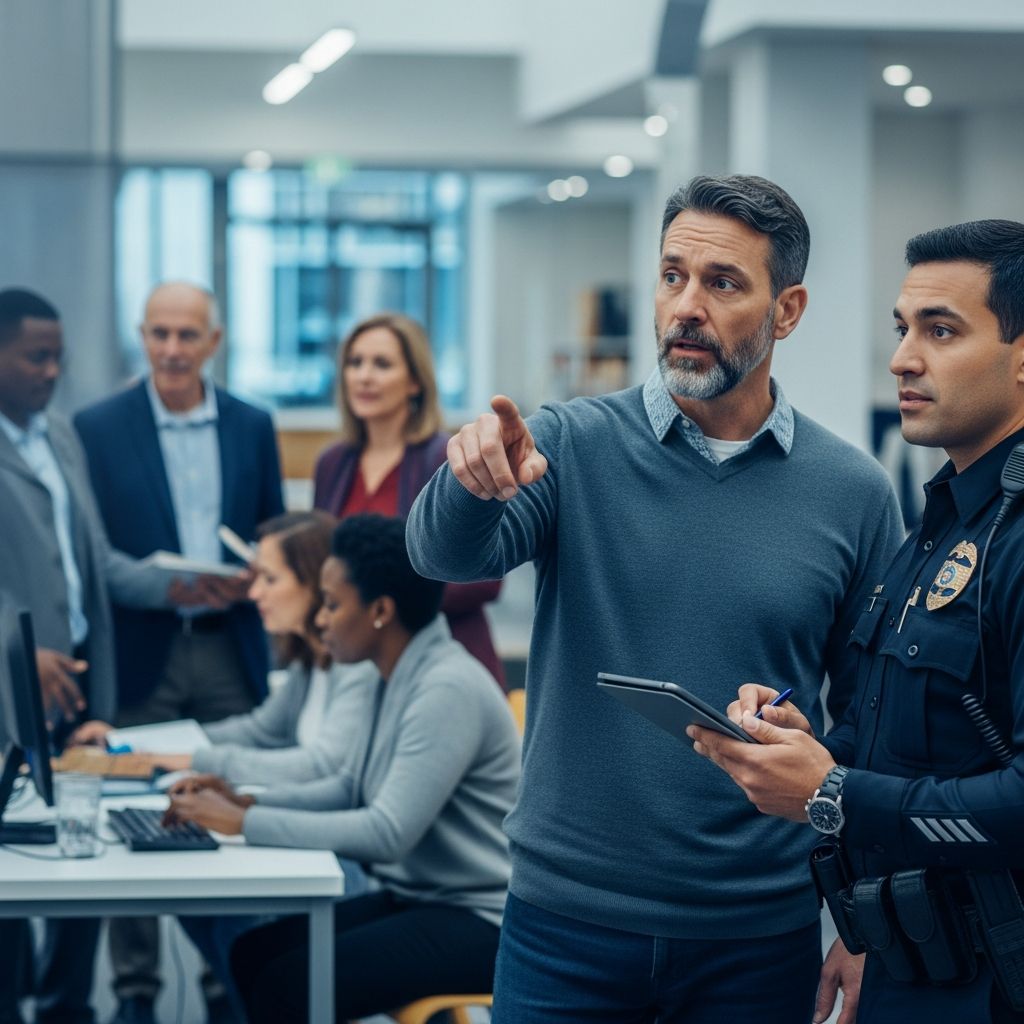
Communities thrive when residents actively participate in maintaining safety. Recognizing and reporting suspicious behavior plays a pivotal role in crime prevention. This guide explores how ordinary individuals can become the first line of defense against potential threats by observing their surroundings attentively.
Why Community Vigilance Matters
In today’s fast-paced world, it’s easy to overlook subtle signs of trouble. However, history shows that many crimes are thwarted before they occur due to alert citizens. Law enforcement agencies consistently emphasize that timely reports from the public provide crucial leads, enabling quicker responses and resource allocation.
Your observations can prevent burglaries, assaults, or worse. Police departments prefer investigating false alarms over missing genuine opportunities to intervene. Hesitation often stems from fear of overreacting, but professionals train to discern legitimate concerns from benign activities.
Defining Suspicious Behavior
Suspicious behavior deviates from normal patterns in your area. It’s not about profiling based on appearance but focusing on actions that seem out of context. Context is key: a jogger at dawn is routine, but someone peering into cars late at night raises flags.
Trust your instincts. If something feels off, it likely is. Police guides stress that ‘out of place’ occurrences warrant attention, regardless of initial uncertainty.
Common Indicators in Residential Areas
Neighborhoods are prime targets for opportunistic crimes. Watch for these red flags:
- Strangers lingering near homes without clear purpose, especially after dark.
- Vehicles circling blocks repeatedly or idling with engines running and no occupants visible.
- Individuals testing door handles or windows on parked cars or residences.
- People carrying tools like pry bars or flashlights during off-hours, absent legitimate reasons.
- Unfamiliar persons approaching children or offering unsolicited items.
These behaviors often precede theft or intrusion. Note details like clothing, vehicle make, and direction of travel for accurate reporting.
Signs of Trouble in Commercial Zones
Business districts demand equal scrutiny. Suspicious activities here include:
- Groups loitering near closed stores, possibly scouting entry points.
- Vehicles loading merchandise from darkened buildings at odd hours.
- Persons dressed as service workers without proper identification or uniforms.
- Abandoned packages or bags left unattended in high-traffic areas.
Retail theft and vandalism spike when vigilance lapses. Report promptly to safeguard livelihoods and property.
Vehicle-Related Warnings
Cars facilitate many crimes. Be alert to:
- Unknown vehicles parked abnormally long in driveways or streets.
- Occupants photographing homes or security setups excessively.
- Sudden U-turns or evasive driving upon noticing observers.
- Multiple vehicles arriving at a quiet residence simultaneously at unusual times.
Thieves often use stolen or rented vehicles. Your report could link patterns across incidents.
Auditory and Visual Cues
Not all threats are visible. Listen for:
- Shouts, screams, or heated arguments spilling into streets.
- Glass shattering or metallic clanging from secured properties.
- Persistent, frantic animal barking indicating distress.
- Revving engines followed by rapid departures.
Visual oddities like open doors on vacant properties or flashes from windows merit checks.
Personal Safety Encounters
Direct interactions heighten risks. Note:
Table: Suspicious Personal Behaviors
| Behavior | Potential Threat | Action |
|---|---|---|
| Erratic movements or stumbling | Impairment or injury | Observe from distance |
| Forced entry into vehicles | Kidnapping | Call 911 immediately |
| Concealed objects or bulges | Weapons | Report description |
| Abrupt behavior changes when spotted | Guilty conscience | Note flight path |
Drug-related activity often involves heavy foot traffic to homes at night.
When to Dial Emergency Services
Emergencies demand 911:
- Crime in progress, like break-ins or assaults.
- Weapons visible or threats uttered.
- Medical distress combined with suspicious circumstances.
- Persons forcing others against their will.
For non-imminent issues, use local non-emergency lines. Apps and tip lines offer anonymous options.
Safe Reporting Protocols
Prioritize safety:
- Stay hidden; do not confront.
- Provide specifics: who, what, where, when, why suspicious.
- Describe accurately: age, build, clothing, tattoos, vehicle plates.
- Remain on scene if safe, updating dispatch.
- Avoid touching evidence.
Details sharpen investigations. Anonymity protects reporters.
Overcoming Common Hesitations
Many delay calls fearing embarrassment. Departments assure: better safe than sorry. One report can prevent chains of crime. Training equips officers to filter noise from signal efficiently.
Building a Safer Community
Join or form neighborhood watches. Share intel via apps. Educate families on vigilance. Consistent reporting deters criminals, fostering trust between residents and police.
Statistics from various agencies show vigilant communities experience 20-30% fewer incidents, underscoring collective impact.
Frequently Asked Questions (FAQs)
Q: What if I’m wrong about suspicious activity?
A: Officers investigate without judgment. False positives aid in pattern recognition.
Q: Can I report anonymously?
A: Yes, many departments allow anonymous tips via phone, app, or text.
Q: How detailed should my report be?
A: Include all sensory observations: sights, sounds, timelines, descriptions.
Q: What about cultural differences in behavior?
A: Focus on actions, not demographics. Context guides legitimacy.
Q: Does reporting help long-term?
A: Yes, data informs patrols, preventing future crimes.
Enhancing Personal Awareness
Daily habits boost detection: Vary routes, note regulars, secure properties. Technology like cameras supplements eyes. Workshops from police sharpen skills.
In urban settings, heavy traffic masks threats; rural isolation amplifies them. Adapt observations accordingly.
Children and elderly are vulnerable; teach them signals. Community events build rapport with officers.
Post-report, follow up if comfortable. Feedback loops improve reporting.
Legal protections shield good-faith reporters from liability, encouraging participation.
References
- Suspicious Activity – Upper Allen Police Department — Upper Allen Police Department. Accessed 2026. https://upperallenpolice.com/wp/community-safety/crime-prevention-is-everyones-responsibility/
- Recognizing & Reporting Suspicious Activities — Fort Myers Police Department. Accessed 2026. https://www.fmpolice.com/172/Recognizing-Reporting-Suspicious-Activit
- Suspicious Behavior — University of Michigan Division of Public Safety & Security. Accessed 2026. https://dpss.umich.edu/prevention-and-training/safety-tips/campus-and-community-safety/suspicious-behavior
- Citizen’s Guide to Suspicious Activity — Metropolitan Police Department of DC. Accessed 2026. https://mpdc.dc.gov/sites/default/files/dc/sites/mpdc/page_content/attachments/CitizensGuide_SuspActivity_DOUBLE_0.pdf
Similar Articles








Read full bio of Sneha Tete




