
Remote Solo Practice: Key Hurdles and Fixes
Master the unique obstacles of running a solo law firm from home with proven strategies for productivity, security, and growth.
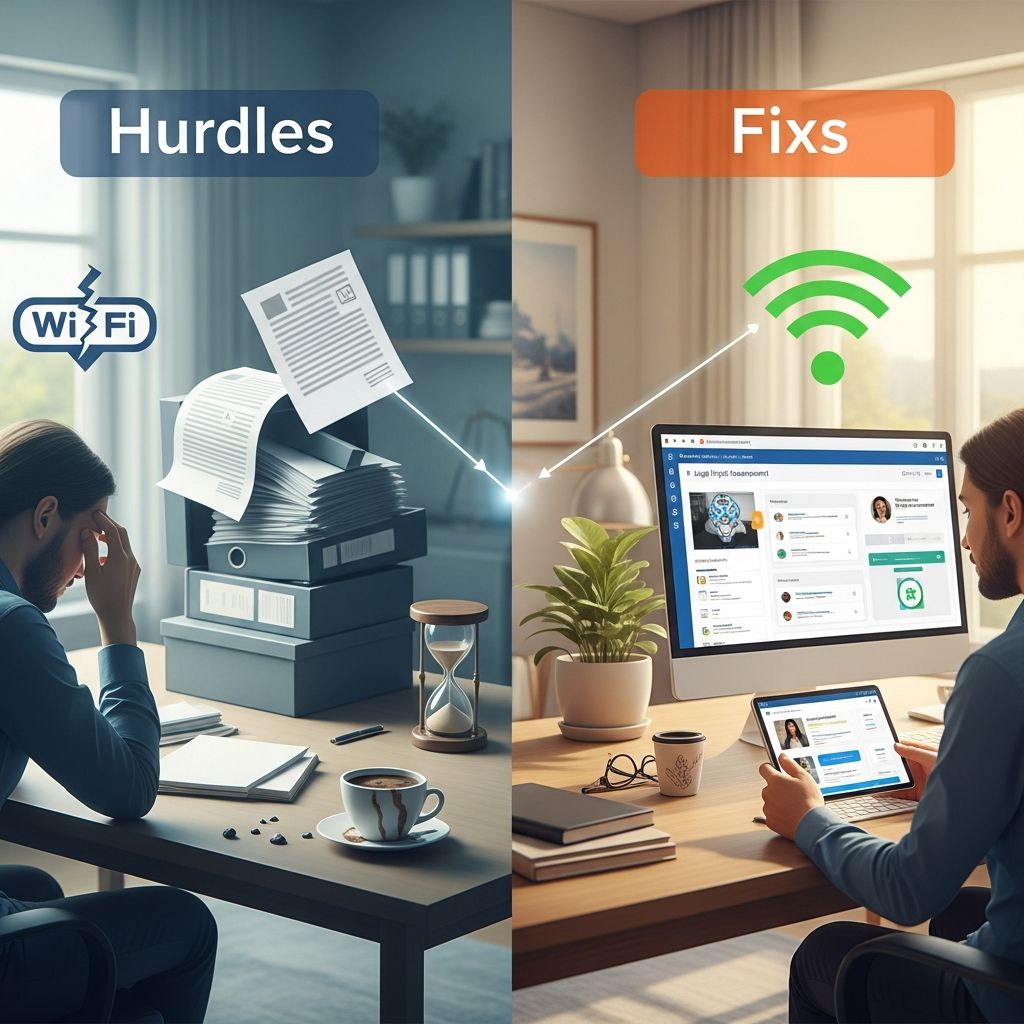
Solo attorneys embracing remote work enjoy flexibility and cost savings, but face distinct challenges like home distractions, professional isolation, and security risks. This guide outlines practical strategies tailored for lawyers working from home.
Creating a Productive Home Workspace
One of the primary obstacles for remote solo practitioners is establishing a focused environment amid household chaos. Family members, pets, chores, and personal devices constantly compete for attention, leading to fragmented work sessions and heightened stress levels. Statistics show that 80% of remote workers operate from home, where such interruptions are rampant.
To combat this, designate a specific area exclusively for legal work. Select a quiet room or corner away from high-traffic zones like kitchens or living rooms. Avoid multifunctional spaces such as couches or beds, which signal relaxation to the brain and hinder concentration. Invest in ergonomic furniture—a sturdy desk, adjustable chair, and adequate lighting—to mimic a professional office setup.
- Organize digital files ruthlessly: Use tools like folder hierarchies and desktop cleaners to maintain a clutter-free virtual workspace.
- Implement ‘do not disturb’ signals for family, such as closed doors or scheduled ‘office hours’ posted visibly.
- Curate office-like elements: Plants, a professional lamp, or framed diplomas can psychologically anchor you in work mode.
Additionally, upgrade home office essentials. Only 15% of employers reimburse internet costs, so solo lawyers must prioritize reliable broadband. Consider business-grade routers and noise-canceling headphones to minimize disruptions. These steps not only boost focus but also enhance client call quality, projecting competence.
Combating Isolation in Solo Remote Practice
Loneliness affects 20% of remote workers as the top issue, particularly for solos lacking office camaraderie. Without casual colleague interactions, solo attorneys risk burnout, reduced motivation, and weakened professional networks essential for referrals.
Counter this by fostering virtual connections. Join bar association online communities or legal Slack groups for daily discussions on cases, trends, and advice. Platforms like LinkedIn facilitate peer outreach, while social intranets in legal networks allow sharing non-work content to build rapport.
- Schedule weekly video coffee chats with fellow solos to exchange war stories and tips.
- Attend virtual legal conferences or webinars; many offer networking lounges mimicking in-person events.
- Form accountability partnerships: Pair with another remote lawyer for mutual check-ins on goals and progress.
Gamification apps with legal-themed challenges can inject fun and competition, sustaining engagement when solo. These tactics preserve mental health and open doors to collaborations or clients.
Mastering Work-Life Boundaries to Prevent Burnout
Remote setups blur lines between professional and personal life, with 82.93% of workers logging extra hours. Solo lawyers, driven by billable targets, often overwork, leading to exhaustion and diminished performance.
Establish rigid schedules using tools like Google Calendar to block work hours, breaks, and personal time. Treat end-of-day as sacred: Log off promptly and transition with rituals like a short walk or device shutdown.
| Strategy | Benefit | Implementation Tip |
|---|---|---|
| Calendar Blocking | Prevents spillover | Color-code work (blue), breaks (green), family (yellow) |
| Social Breaks | Recharges energy | Host virtual lunches via Zoom twice weekly |
| Physical Separation | Signals transitions | Leave the workspace at ‘quitting time’ |
Encourage short, refreshing pauses—stretches or meditations—to sustain peak cognition throughout the day. This framework ensures sustainability in a high-stakes field like law.
Navigating Technology and Connectivity Pitfalls
Unreliable tech plagues remote work, from spotty internet to incompatible software, exacerbating the digital divide in rural or low-income areas. Solo attorneys without IT support face downtime during critical filings or client meetings.
Mitigate by auditing setups: Test upload speeds (aim for 25 Mbps+), secure backups via cloud services like Dropbox or OneDrive, and use VPNs for all connections. Standardize on cross-compatible tools—e.g., Zoom for calls, Clio for practice management.
- Backup power solutions like UPS prevent outages.
- BYOD policies demand personal investment in updates and antivirus.
- Troubleshoot proactively: Weekly system checks catch issues early.
For hybrid scenarios, adapt seamlessly between home and co-working spaces, packing portable tech kits. Reliable infrastructure upholds your firm’s reputation.
Safeguarding Client Data in Home Offices
Cyber threats loom larger at home, where networks lack enterprise-grade protections. Phishing, ransomware, and unsecured Wi-Fi expose sensitive legal data, risking breaches and malpractice claims.
Implement multi-factor authentication (MFA) universally, encrypt all devices, and use firewalls. Train on recognizing scams—solo practitioners are prime targets due to perceived softer defenses.
| Threat | Solution | Legal Compliance |
|---|---|---|
| Unsecured Wi-Fi | VPN + WPA3 | Meets ABA ethics rules |
| Phishing Emails | Training + Filters | Protects client confidentiality |
| Data Breaches | Regular Audits | Aligns with GDPR/HIPAA analogs |
Conduct annual security audits and maintain cyber insurance. These measures not only comply with ethical duties but build client trust.
Streamlining Time Management and Client Communications
Poor time tracking erodes efficiency, especially with blurred boundaries. Solos juggle cases, marketing, and admin without oversight.
Leverage time-tracking apps like Toggl integrated with calendars. Set client SLAs for responses (e.g., 24 hours) and use automated templates for routine queries.
- Prioritize via Eisenhower Matrix: Urgent/important tasks first.
- Batch similar activities—emails mornings, deep work afternoons.
- Weekly reviews adjust for overruns.
Clear async communication via threaded emails or project boards reduces misunderstandings.
Building Client Confidence in Virtual Practices
Remote solos must prove professionalism without physical offices. Clients question availability and seriousness.
Counter with polished virtual presences: Professional Zoom backgrounds, branded websites, and prompt, detailed updates. Offer virtual consultations with screen-sharing for transparency.
- Showcase testimonials and case results online.
- Use e-signatures for swift agreements.
- Host webinars demonstrating expertise.
These affirm reliability, converting skeptics to advocates.
Frequently Asked Questions (FAQs)
What are the biggest distractions for remote solo lawyers?
Home chores, family, and social media top the list; dedicate a quiet zone and use blockers.
How can solo attorneys fight loneliness?
Join legal networks, schedule peer calls, and attend virtual events for connection.
Is home internet reliable enough for legal work?
Upgrade to fiber if possible; only 15% get reimbursements, so budget accordingly.
How do I prevent burnout in remote practice?
Strict schedules, breaks, and rituals separate work from life.
What cybersecurity basics should every solo have?
MFA, VPN, encryption, and training against phishing.
Conclusion: Thrive as a Remote Solo Attorney
By tackling these hurdles head-on, solo lawyers can harness remote work’s advantages—lower overhead, broader talent pools, better balance—while delivering top-tier service. Adapt these strategies to your practice for enduring success.
References
- 7 challenges of working from home and how to overcome them — Happeo. 2023. https://www.happeo.com/blog/top-7-remote-work-challenges-and-ways-to-overcome-them
- 10 Challenges of Working from Home for Employers (And How to Solve Them) — ViewSonic. 2023. https://www.viewsonic.com/library/business/10-challenges-of-working-from-home-for-employers-and-how-to-solve-them/
- 10 Challenges for Remote Workers in Hybrid Offices & Solutions — Neat. 2023. https://neat.no/resources/10-challenges-for-remote-workers-in-hybrid-offices-solutions/
- Top Remote Work Challenges and Solutions You Need To Know — Nextiva. 2023. https://www.nextiva.com/blog/remote-work-challenges.html
- Surprising challenges of remote work (and how to overcome them) — KarbonHQ. 2023. https://karbonhq.com/resources/overcoming-remote-work-challenge/
- Biggest Remote Work Challenges and Solutions — Carolina Digital Phone. 2023. https://carolinadigitalphone.com/biggest-remote-work-challenges-and-solutions/
- The rise of remote work: challenges and opportunities for businesses — LPS Online, University of Pennsylvania. 2023. https://lpsonline.sas.upenn.edu/features/rise-remote-work-challenges-and-opportunities-businesses
Similar Articles








Read full bio of medha deb




