
Recovering Your Car Deposit: Legal Rights Explained
Understand when you can reclaim your car deposit from dealerships and protect yourself from unfair practices in vehicle purchases.
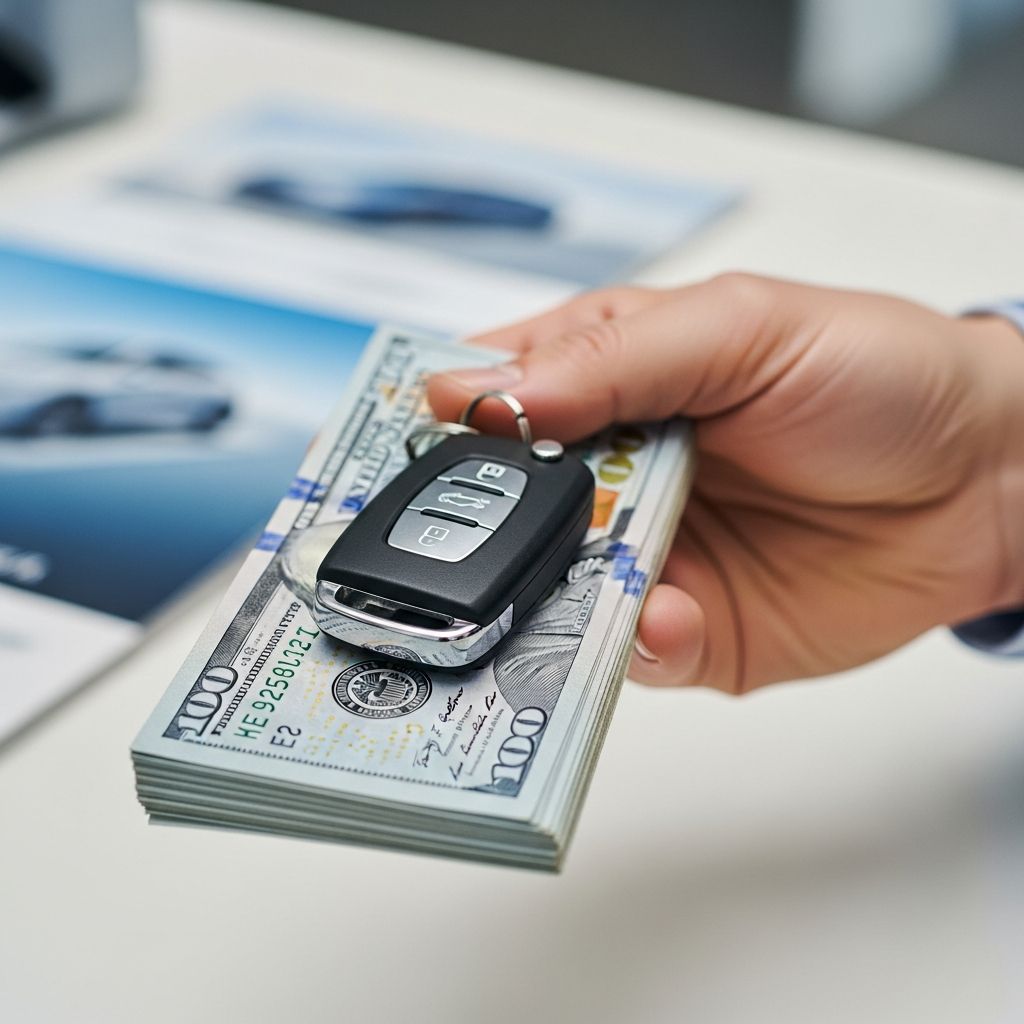
Car deposits secure your interest in a vehicle but often lead to disputes when buyers back out. Dealerships typically treat them as non-refundable, yet specific circumstances like failed financing or dealer breaches can entitle you to a full refund. This guide breaks down the rules, exceptions, and strategies to protect your funds.
Understanding Car Deposits in Vehicle Transactions
A car deposit, also called a holding or earnest money payment, demonstrates buyer commitment and compensates dealerships for reserving a vehicle. These payments range from $500 to several thousand dollars, depending on the car’s price and demand. Once paid, the vehicle is often pulled from inventory, halting other sales and potentially triggering registration or financing preparations.12
Deposits protect sellers from financial loss if buyers renege, covering administrative costs like paperwork reversal, title reclamation, and trade-in adjustments. Without clear terms, buyers assume risk, as no federal “cooling-off” period applies to car sales—unlike some home or door-to-door purchases.1
- Purpose: Locks in the deal and covers seller opportunity costs.
- Typical Amount: 5-10% of vehicle price.
- Key Risk: Non-refundable by default unless specified otherwise.
When Dealerships Must Refund Your Deposit
Refunds aren’t automatic for second thoughts, but legal obligations arise under certain conditions. Courts view deposits as part of a binding contract, refundable only if the seller fails to deliver promised terms or external factors intervene.13
Financing Falls Through
The most common refund trigger is denied financing. If the deal hinges on loan approval—a “condition precedent”—and it’s rejected, you’re entitled to your money back. This applies even if the dealership arranged the financing, provided both parties agreed it was contingent.1 Document everything: pre-approval letters, lender denials, and communications.
Dealer Breaches the Agreement
If the dealership delivers the wrong vehicle, alters terms (e.g., higher interest or add-ons), or uses deceptive tactics, state consumer protection laws kick in. For instance, misrepresenting vehicle condition or hiding fees violates unfair trade practices statutes in many states.1
| Scenario | Refund Likely? | Example |
|---|---|---|
| Financing denied | Yes | Agreed loan terms not met by lender. |
| Wrong car delivered | Yes | Promised model swapped without consent. |
| Buyer changes mind | No | No contract breach by seller. |
| Vehicle damaged pre-sale | Yes | Hidden defects not disclosed. |
State-Specific Protections for Car Buyers
Laws vary widely, with some states offering buyer-friendly rules. Always check local regulations via your state’s attorney general or consumer affairs department.
- California: Used cars under $50,000 qualify for a 3-day/400-mile return window, no questions asked if undamaged.1
- New York: For remote sales, undelivered vehicles within 30 days of estimated date allow cancellation and full refund, barring buyer-caused delays.1
- Connecticut: Prohibits deceptive practices; sneaky sales tactics can void deposits.1
- General Trend: Most states require written non-refundable notices; verbal assurances may not hold.4
In Missouri, deposits are inherently non-refundable to protect sellers, but proof of dealer non-performance overrides this.3 South Carolina cases hinge on whether the dealer resold at equal/higher price without loss.5
Negotiating and Documenting for Success
Proactive steps maximize refund chances. Insist on written terms before paying.
- Read the Fine Print: Purchase orders often state “non-refundable.” Negotiate refundable status, especially for high-demand cars.4
- Get It in Writing: Request confirmation that deposit is refundable if financing fails or within a set period.
- Communicate Promptly: Notify in writing (email/text) upon issue; delays weaken claims.
- Escalate Politely: Speak to managers; reputable dealers refund to preserve reputation.4
If refused, mention small claims court—dealers avoid litigation over modest sums. Gather receipts, contracts, and timelines as evidence.45
Common Mistakes Buyers Make with Deposits
Avoid these pitfalls to prevent disputes:
- Paying without reviewing terms.
- Assuming a 3-day federal cooling-off applies (it doesn’t for cars).1
- Ignoring verbal promises without paper trails.
- Delaying notifications after issues arise.
- Not verifying vehicle availability pre-deposit.
One buyer lost a dispute after a dealer cited a handwritten “non-refundable” sign, despite prior assurances.5 Always prioritize documentation.
Alternatives to Traditional Deposits
Minimize risk with these options:
- Refundable Holds: Some dealers offer fully refundable deposits for quick-selling inventory.4
- Credit Card Payments: Easier chargebacks than cash/checks.
- Lower Amounts: $100-500 holds reduce exposure.
- Private Sales: Fewer formalities but higher scam risk; use escrow services.
Legal Recourse if Refused a Legitimate Refund
Denied refunds? Escalate systematically:
- File a complaint with state consumer protection agency.
- Contact the Better Business Bureau.
- Sue in small claims (limits vary; often $5,000-$10,000).
- Consult a consumer attorney for larger sums—many offer free initial reviews.
Success rates are high with strong evidence of breach. Dealers often settle to avoid precedents.4
Frequently Asked Questions (FAQs)
Is there a cooling-off period for car purchases?
No federal 3-day rule exists for vehicle sales. Some states like California provide limited windows for used cars.1
What if I paid cash and no contract was signed?
Receipts create implied contracts; non-refundable status depends on notifications and resale outcomes.5
Can I get my deposit back if the car sells quickly?
Possibly, if the dealer incurs no loss. Argue fairness, but it’s not guaranteed.5
Does credit card payment help with refunds?
Yes, dispute via issuer for stronger leverage than cash.
Are online/distance sales different?
Often yes—New York mandates delivery timelines with refund rights.1
Protecting Yourself Before Paying a Deposit
Empower your purchase:
- Research dealership reviews.
- Test drive thoroughly.
- Secure pre-approval financing.
- Compare multiple quotes.
- Walk away if pressured.
In 2025-2026, rising vehicle prices amplify deposit stakes. Knowledge is your best defense.1
References
- Apparently, Car Dealerships Have No Obligation To Take Back Your Deposit — SlashGear. 2025. https://www.slashgear.com/2009862/car-dealerships-not-obligated-to-refund-car-deposit/
- Can I get a car deposit refund? — The Motor Ombudsman. Accessed 2026. https://www.themotorombudsman.org/knowledge/can-i-get-a-car-deposit-refund/
- Can I get a car deposit back in MO — Avvo Legal Answers. 2015-04-15. https://www.avvo.com/legal-answers/can-i-get-a-car-deposit-back-in-mo-if-there-is-not-5562737.html
- Can Dealerships REFUSE to REFUND MY DEPOSIT? — YouTube (Untamed Motors). Accessed 2026. https://www.youtube.com/watch?v=gheQbUiBx3w
- I put down a deposit on a vehicle and then decide not to buy it — TheLaw.com Forums. Accessed 2026. https://www.thelaw.com/threads/i-put-down-a-deposit-on-a-vehicle-and-then-decide-not-to-buy-it-they-issued-me-a-receipt-but-i-never-signed-anything-can-i-get-my-deposit-back-in-sc.83564/
Similar Articles








Read full bio of Sneha Tete




