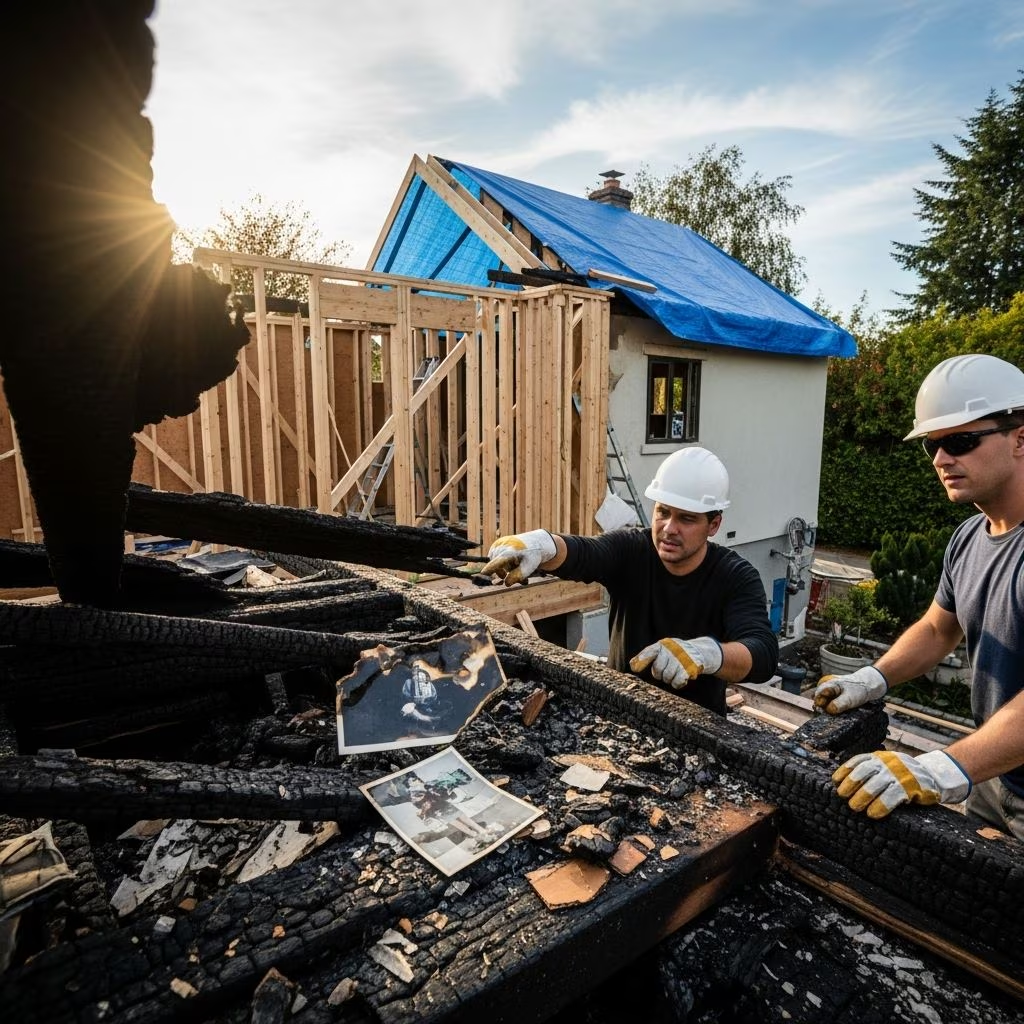
Navigating Life After a House Fire: Your Comprehensive Recovery Roadmap
Experiencing a house fire ranks among life’s most traumatic events. Beyond the immediate physical dangers, fire victims face a complex web of practical, financial, and emotional challenges in the aftermath. The recovery process demands immediate action on multiple fronts—from ensuring family safety to coordinating with insurance companies and managing the psychological impact of losing personal possessions and shelter. Understanding the systematic steps to take in the days and weeks following a fire can significantly ease the burden of recovery and accelerate your path back to normalcy.
Prioritizing Immediate Physical Safety and Health Concerns
The moments immediately following a house fire require clear thinking despite overwhelming circumstances. Your foremost responsibility involves accounting for all family members and verifying that everyone has reached safety. If anyone has sustained injuries, particularly burns or smoke inhalation, seek emergency medical attention immediately by calling 911. First aid measures, such as cooling and covering burn areas, should be applied while waiting for professional help to arrive.
Beyond human health, don’t overlook the wellbeing of your pets. Animals exposed to fire and smoke can suffer serious internal injuries not visible to the naked eye. Smoke damages lung tissue, and burns may hide beneath fur. Have a veterinarian examine all pets within the first 24 to 48 hours following the fire. If you maintain pet insurance coverage, notify your insurance provider promptly. Even without pet insurance, veterinary care becomes a reimbursable expense under many homeowners’ and renters’ policies when claimed appropriately.
A critical safety consideration involves the structural integrity of your home. Do not re-enter a fire-damaged residence until local fire authorities explicitly declare it safe to do so. Fires can reignite even when flames appear extinguished, and structural damage may create collapse hazards. Respecting this boundary protects you from additional harm while professionals assess the property’s safety status.
Establishing Temporary Shelter and Living Arrangements
Depending on the fire’s severity, your home may become temporarily or permanently uninhabitable. Securing alternative lodging becomes your next priority after confirming everyone’s physical safety. Many individuals turn first to friends and family members willing to provide emergency housing. This option offers both emotional support and cost-free accommodation during the critical early recovery period.
If staying with loved ones isn’t feasible, multiple resources can assist. Contact established disaster relief organizations such as the American Red Cross or the Salvation Army, which maintain networks of emergency shelters and temporary housing resources in communities nationwide. These nonprofits specialize in rapid response to fire emergencies and can connect you with immediate shelter options.
Additionally, most homeowners’ and renters’ insurance policies include coverage for Additional Living Expenses (ALE), also called loss of use coverage. This provision reimburses policyholders for hotel stays, extended-stay accommodations, meals, and other necessities while your primary residence undergoes repair or reconstruction. Contact your insurance agent to clarify your policy’s coverage limits for these expenses, including both monetary caps and time restrictions. Understanding these parameters helps you make informed decisions about temporary housing options.
When selecting temporary housing, retain all receipts and documentation of expenses. These records substantiate your claims for reimbursement and demonstrate the necessity and reasonableness of your expenditures to insurance adjusters.
Initiating Contact with Your Insurance Provider
Insurance claims following house fires operate on a first-come, first-served basis, making prompt communication with your insurance company essential. Contact your insurance agent or claims department as soon as possible—ideally within 24 to 48 hours of the fire. Request that a claims adjuster be assigned to your specific case, as this individual will serve as your primary point of contact throughout the claims process.
During your initial conversation, explain the fire’s circumstances and extent of damage. Ask whether your policy permits a cash advance against your anticipated claim settlement. Many insurers offer this option to help policyholders cover immediate expenses while the formal claims process unfolds. If approved, these advances provide crucial financial breathing room during the first weeks of recovery.
Maintain meticulous records of all communications with your insurance company. Establish a dedicated notebook where you document every conversation, including the date, time, representative’s name, and specific topics discussed. These detailed records prove invaluable if disputes arise regarding coverage determinations or claim settlements.
Documenting Your Losses and Gathering Evidence
Thorough documentation forms the foundation of successful insurance claims. Begin by obtaining an official fire report from your local fire department. This document details the fire’s cause—whether stemming from electrical failure, gas ignition, wildfire, or other factors—and provides crucial context for your insurance claim. Fire departments typically release these reports within one to two weeks following an incident.
Once authorities clear your property for entry, systematically photograph and catalog all damaged property. Document items affected by direct fire damage, heat exposure, smoke infiltration, and firefighting chemicals. Many household items absorb toxic fumes and suffer damage invisible to casual observation, including furniture, clothing, food, medication, cosmetics, and plastic goods. These detailed photographs and descriptions create a visual inventory that supports your property loss claim.
Create a comprehensive personal property inventory, working room by room through your home. List items by category, describing each possession’s condition before the fire, estimated replacement value, and current status (destroyed, damaged, salvageable). Request assistance from family members who can help recall possessions and their approximate values. This collaborative approach often yields more complete and accurate inventories than solo efforts.
Before discarding or removing any damaged property, consult your insurance company. Most policies mandate that insurers inspect damaged items before disposal or replacement. Failing to obtain pre-approval for item removal can jeopardize your claim or result in reduced reimbursement amounts.
Managing Financial and Administrative Obligations
House fires create cascading financial complications beyond the initial property damage. If you carry a mortgage, notify your lender immediately about the fire and its impact on the property. Mortgage lenders maintain insurable interest in your home and need timely information about major damage.
Similarly, contact your landlord if you rent rather than own your residence. Landlords bear responsibility for certain repairs and maintenance, and your prompt notification ensures they can assess their obligations and coordinate necessary actions. Landlord-tenant dynamics vary by jurisdiction, making clear communication essential to avoid disputes.
Report any credit cards, identification documents, or financial instruments lost in the fire to the relevant institutions. Most credit card companies and banks maintain fraud protection procedures for disaster-related document loss and can assist with replacement cards and account security measures. This step prevents identity theft and fraudulent charges during the vulnerable recovery period.
Preserve all receipts for expenses incurred following the fire. These documents substantiate your insurance claims and provide evidence of losses for tax deduction purposes. The IRS allows casualty loss deductions for uninsured fire losses, making comprehensive receipt collection financially important. Maintain separate categories for lodging, meals, clothing, household necessities, and other expenditure types to simplify tax preparation.
Addressing Property Restoration and Contractor Selection
Professional cleaning and restoration companies specialize in salvaging items affected by fire, smoke, and water damage from firefighting efforts. These specialists possess equipment and expertise to remove smoke odors, clean soot-covered items, and restore salvageable property. Request insurance company recommendations for trusted restoration contractors. Insurance companies frequently maintain relationships with vetted providers, offering reasonable assurance of quality work and fair pricing.
Obtain multiple quotes from restoration companies before committing to any contract. Compare pricing, scope of services, timelines, and warranties offered by different providers. Avoid rushing into agreements under emotional duress; take time to evaluate options carefully. Your insurance adjuster can often provide guidance on reasonable pricing expectations and standard restoration practices.
Supporting Your Family’s Emotional and Mental Wellbeing
The psychological impact of losing one’s home extends far beyond material loss. Disasters disrupt fundamental assumptions about safety and permanence, creating stress that manifests differently across individuals and age groups. Children particularly struggle to process trauma, experiencing heightened anxiety and behavioral changes. Adults may encounter overwhelming feelings of loss, guilt, or despair.
Normalize emotional responses rather than suppressing them. Acknowledge that grief, anger, and sadness represent healthy reactions to genuine tragedy. Avoid self-judgment for struggling with what feels like “should” emotions. Create safe spaces for family members to express their feelings and concerns. Listen without judgment and validate experiences even when perspectives differ among family members.
Maintain physical self-care routines despite emotional turbulence. Adequate sleep, balanced nutrition, regular exercise, and limiting alcohol and drug use provide physiological support for psychological resilience. These foundational practices may feel unimportant amid crisis, yet they strengthen your capacity to manage ongoing stressors.
Deliberately incorporate positive elements into your recovery. Identify aspects of life that bring gratitude, joy, or meaning. Spend quality time with supportive loved ones. Engage in activities that command your full attention and provide mental respite from constant fire-related concerns. These intentional interventions interrupt rumination patterns and remind you of life beyond the fire.
When family members display persistent anxiety, depression, or difficulty functioning, seek professional mental health support. Therapists, counselors, and disaster mental health specialists understand trauma recovery and can provide evidence-based interventions tailored to your family’s specific needs. Many disaster relief organizations connect survivors with subsidized or free counseling services.
Accessing Community Resources and Specialized Assistance
Disaster relief organizations extend services beyond shelter provision. The American Red Cross, Salvation Army, and regional nonprofits assist survivors in accessing food, clothing, medications, and essential household items. These organizations understand that fire survivors often lose not only housing but also personal documents, clothing, and necessities.
For complex recovery situations involving significant financial impact, legal complications, or insurance disputes, specialized resources provide expert guidance. United Policyholders, a nonprofit organization, offers free resources and expertise in insurance claims and disaster recovery. Their website (uphelp.org) provides claim guidance, state and federal assistance information, and recovery support tailored to specific disaster situations.
Government agencies may offer disaster assistance programs, particularly when fires occur within officially declared disaster areas. FEMA (Federal Emergency Management Agency) administers Individual Assistance programs providing financial support for uninsured losses in qualifying situations. Contact local emergency management offices or disaster relief organizations to determine eligibility for government assistance programs.
Frequently Asked Questions About Fire Recovery
Q: How quickly must I file an insurance claim after a house fire?
A: Insurance companies recommend filing claims within 24 to 48 hours of a fire. Claims operate on a first-come, first-served basis, so prompt filing ensures your position in the adjustment queue. Most policies require notification within a specified timeframe (typically 30 to 60 days) to preserve coverage, so acting quickly is critical.
Q: Does homeowners insurance cover temporary housing after a fire?
A: Most standard homeowners policies include Additional Living Expenses coverage (also called loss of use). This provision reimburses hotel stays, extended-stay accommodations, meals, and other living expenses while your home undergoes repair or reconstruction. Contact your insurance agent to determine your specific coverage limits and any time restrictions.
Q: Can I claim casualty losses on my taxes if I have insurance?
A: Generally, you cannot claim insured losses as tax deductions. However, if insurance doesn’t cover all losses or you’re uninsured, you may qualify for casualty loss deductions under current tax law. Consult a tax professional about your specific situation and maintain thorough documentation of all losses.
Q: What should I do with damaged property before the insurance company inspects it?
A: Do not dispose of or remove damaged property without approval from your insurance company. Most policies require that insurers inspect items before removal or replacement. Photographing and cataloging items satisfies documentation requirements while awaiting inspection clearance.
Q: Is pet insurance essential before a fire occurs?
A: While not required, pet insurance provides financial protection for veterinary care following fires or other emergencies. Even without pet insurance, veterinary bills incurred as fire recovery expenses may be reimbursable under your homeowners or renters policy when properly documented and claimed.
References
- What to Do After a House Fire — State Farm. Accessed 2026-04-03. https://www.statefarm.com/simple-insights/residence/what-to-do-after-a-house-fire
- After the Fire — United States Fire Administration (USFA/FEMA). https://www.usfa.fema.gov/downloads/pdf/publications/fa_46.pdf
- What To Do After A Home Fire — American Red Cross. Accessed 2026-04-03. https://www.redcross.org/get-help/how-to-prepare-for-emergencies/types-of-emergencies/fire/home-fire-recovery.html
- I Just Lost My Home or Business to a Fire, What Do I Do Next? — Buchalter. Accessed 2026-04-03. https://www.buchalter.com/insights/i-just-lost-my-home-or-business-to-a-fire-what-do-i-do-next/
- Coping with Loss due to Fire — Cigna Healthcare. Accessed 2026-04-03. https://www.cigna.com/knowledge-center/coping-with-loss-due-to-fire
- Recovering After a Home Fire: Tips for Returning to Normal — Colorado Pikes Peak Fire Department. Accessed 2026-04-03. https://cpvfd.org/safety/home-fire-recovery/