
Understanding Rave Event Legality and Regulations
Comprehensive guide to rave laws, permits, safety requirements, and your legal rights.
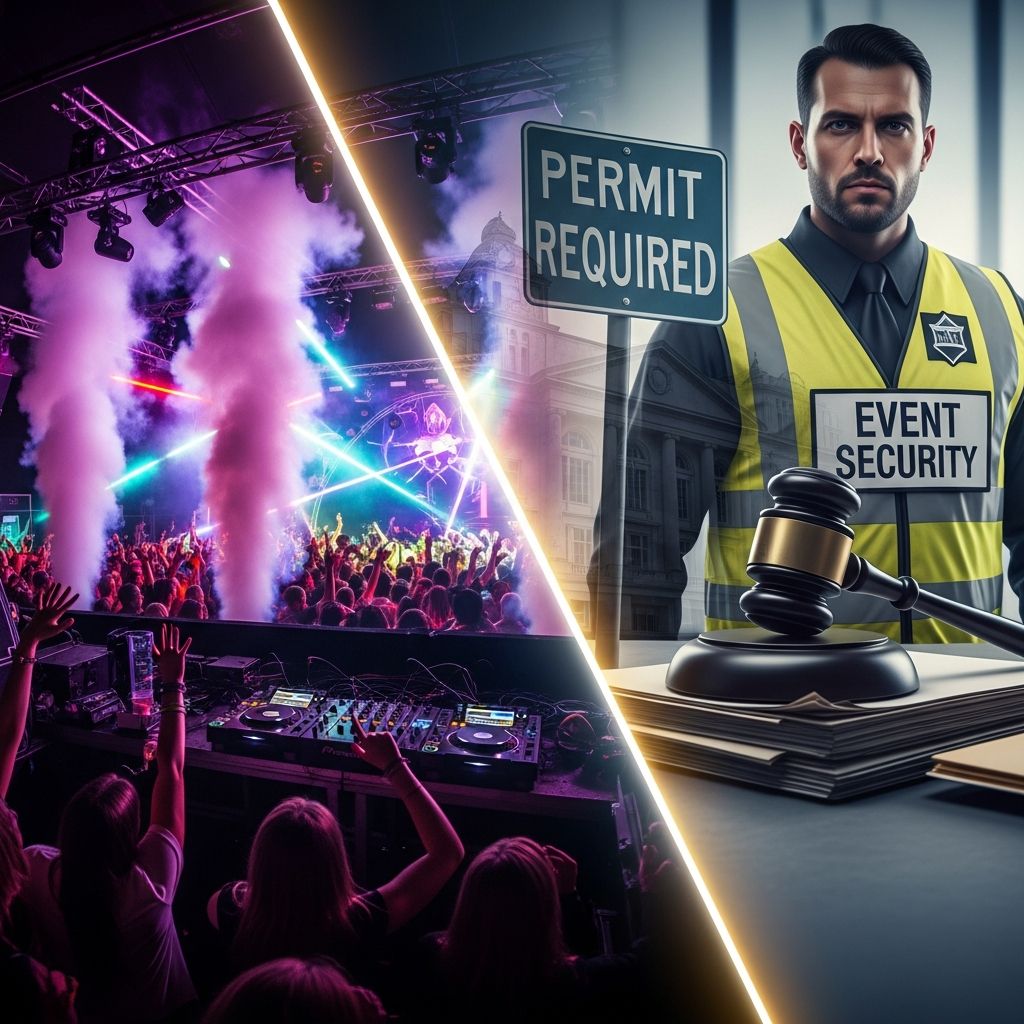
The Legal Framework Surrounding Electronic Music Events
The question of whether raves are legal does not have a simple yes or no answer. Rather, the legality of electronic music events depends on numerous factors including location, compliance with local regulations, adherence to safety standards, and the actions of organizers and attendees. While raves themselves are not illegal, the manner in which they are organized and conducted can determine their legal status. Understanding the intricate web of federal, state, and local laws that govern these events is essential for promoters, venue owners, and enthusiasts alike.
Evolution of Rave Culture and Legal Responses
Rave culture emerged in Europe during the 1980s as an underground movement characterized by secretive, after-hours dance parties in private spaces. By the early 1990s, rave events had spread throughout the United States, initially appearing as small, unauthorized gatherings. However, the landscape shifted dramatically as raves became increasingly commercialized and visible to mainstream society. Promoters began organizing large-scale events with significant attendance, elaborate production, and substantial ticket sales.
This transformation prompted governments and law enforcement agencies to develop regulatory frameworks. Cities including Chicago, Denver, Gainesville, Hartford, Milwaukee, and New York implemented deliberate enforcement strategies targeting rave activities. Rather than banning raves outright, authorities focused on enforcing existing ordinances related to building codes, fire safety, health regulations, and liquor licensing. These regulatory mechanisms created a structured approach to managing electronic music events while addressing legitimate public safety concerns.
The Illicit Drug Anti-Proliferation Act (RAVE Act)
One of the most significant pieces of legislation affecting rave promotion and organization is the Illicit Drug Anti-Proliferation Act, commonly referred to as the RAVE Act, enacted on April 30, 2003. This federal law was created in response to concerns about ecstasy and other controlled substances at electronic music venues. The statute significantly expanded prosecutorial authority by modifying the federal “crack house” statute from 1986, extending liability to individuals and businesses that may not have directly engaged in drug distribution but allowed drug-related activities on their premises.
The RAVE Act distinguishes itself through two key expansions of federal law. First, it clarifies that prosecutors can pursue charges related to single-event activities rather than only ongoing operations, meaning even isolated instances of drug distribution at a one-time rave can trigger liability. Second, the legislation applies to both indoor and outdoor venues, eliminating previous geographical limitations on prosecution authority. This broad application means that event promoters, property owners, venue operators, and landlords can potentially face federal criminal charges if attendees engage in drug-related conduct, regardless of whether the organizers knew about or facilitated such activity.
Individuals convicted under the RAVE Act face severe penalties. Criminal sentences can extend up to twenty years in federal prison, and fines may exceed $500,000. Additionally, prosecutors can seek civil penalties and pursue forfeiture of any land or buildings involved in the alleged offense. These consequences have led many organizers to cancel events or implement extensive security measures out of concern for potential prosecution.
How the RAVE Act Affects Event Promotion and Venue Operations
While the RAVE Act was ostensibly designed to target drug dealers and prevent controlled substance distribution at electronic music events, its broad language creates significant challenges for legitimate event organizers and venue owners. The statute does not require that organizers knowingly facilitate drug activity; rather, liability can attach based on constructive knowledge or failure to prevent attendee misconduct. This expansive interpretation has generated substantial controversy within the music community and among civil liberties organizations.
The practical consequences of the RAVE Act have been substantial. Promoters and venue owners, fearing prosecution, have cancelled events in multiple jurisdictions including Montana, Alabama, California, Florida, and New Mexico. This phenomenon, often termed the “chilling effect,” occurs when legitimate organizers decide not to proceed with planned events due to legal uncertainty and fear of prosecution. Additionally, if authorities interpret safety measures like providing bottled water or designating cool-down areas as evidence that organizers knew drug use was occurring, venues may hesitate to implement harm-reduction strategies.
| Penalty Type | Maximum Consequence |
|---|---|
| Criminal Prison Sentence | Up to 20 years |
| Criminal Fines | $500,000 or more |
| Civil Penalties | Significant damages |
| Asset Forfeiture | Land and buildings involved |
Local Permit Requirements and Regulatory Compliance
Beyond federal legislation, raves and electronic music events must comply with various local and state regulations. Most jurisdictions require organizers to obtain permits before hosting large public gatherings. These permits typically address specific safety, health, and operational concerns identified by municipal authorities.
Common permit requirements include:
- Building and occupancy permits verifying that venues meet fire code standards and capacity limitations
- Liquor licenses if alcoholic beverages are served, with specific conditions regarding sales and consumption
- Health department approvals for food service and sanitation practices
- Security and crowd management plans detailing how organizers will maintain order and address emergencies
- Medical services arrangements ensuring professional medical personnel are available on-site
- Noise ordinance compliance certifying that amplified sound levels will not violate local regulations
Communities have used these permit mechanisms strategically to regulate rave activity. Some jurisdictions impose substantial fees for licenses, medical services, and security arrangements, effectively forcing certain promoters to relocate or cease operations. This regulatory approach, while more targeted than outright prohibition, creates a structured licensing regime that establishes baseline standards for event management.
Safety Standards and Public Health Considerations
Raves present unique safety challenges that justify regulatory attention. Electronic music venues frequently feature high-energy environments with limited visibility, crowded dance floors, and elevated physical exertion in enclosed spaces. These conditions, combined with substance use, create risks including dehydration, overheating, overcrowding injuries, and medical emergencies. Legitimate regulatory frameworks address these concerns through enforceable safety standards.
Effective rave regulations typically mandate medical personnel presence, including paramedics or emergency medical technicians capable of responding to overdoses, heat exhaustion, and cardiac events. Venues must maintain adequate ventilation systems, appropriate lighting for safety, and clear emergency exits. Water availability and designated rest areas contribute to attendee wellbeing without necessarily implying organizer knowledge of illegal activity.
Distinguishing Between Raves and Other Music Events
An important aspect of rave legality involves distinguishing electronic music events from other categories of concerts and festivals. A rave can encompass various formats, including small neighborhood gatherings, commercial nightclub events, large outdoor festivals, and multi-day music celebrations. Applying consistent legal standards across these different contexts presents challenges for regulators and creates uncertainty for organizers.
The RAVE Act illustrates this ambiguity. Although initially framed as targeting drug use at electronic music raves, the statute’s broad language potentially applies to hip-hop concerts, country music festivals, hemp festivals, and other events that might attract attendees engaging in illegal activity. This expansive scope has prompted criticism that the law functions as a disproportionate regulatory response to legitimate expression and assembly.
Rights and Protections for Event Organizers
Despite the RAVE Act’s broad language, the Drug Enforcement Administration (DEA) has stated that the legislation does not apply to legitimate business owners operating lawful events with reasonable security measures. This official position suggests that organizers implementing standard industry practices need not fear prosecution solely based on attendee misconduct. However, the distinction between legitimate and illegitimate operations remains subject to prosecutorial discretion and judicial interpretation.
Event organizers can strengthen their legal position by implementing comprehensive safety protocols, obtaining all required permits and licenses, hiring professional security personnel, maintaining detailed documentation of compliance efforts, and promptly reporting any observed illegal activity to authorities. These practices demonstrate that organizers are operating lawfully and taking reasonable precautions to prevent criminal activity.
Federal versus State and Local Approaches
The legal landscape surrounding raves reflects tensions between federal criminal law and state and local regulatory authority. Federal statutes like the RAVE Act establish criminal liability for specified conduct, but local governments retain primary responsibility for land use regulation, building codes, and public health oversight. This division of authority means that an event could technically comply with federal requirements yet violate local ordinances, or vice versa.
Some jurisdictions have adopted more restrictive approaches. The United Kingdom, for example, effectively banned outdoor raves through the Criminal Justice and Public Order Act of 1994, granting police broad authority to detain individuals traveling to unauthorized events and seize electronic equipment. Such sweeping prohibitions would likely face constitutional challenges in the United States, where assembly and expression rights receive strong protection.
The Relationship Between Existing Drug Laws and the RAVE Act
Critics contend that the RAVE Act represents unnecessary federal legislation addressing conduct already criminalized under existing law. Selling illegal drugs remains prosecutable under federal narcotics statutes, and individuals who knowingly facilitate drug distribution face charges under conspiracy and aiding-and-abetting doctrines. The distinctive feature of the RAVE Act is its attribution of liability to property owners and event organizers based on attendee misconduct rather than their direct involvement in drug activity.
This expanded liability rationale represents a policy choice prioritizing prevention and deterrence over traditional criminal law’s focus on individual culpability. Whether this approach achieves its stated objectives remains contested, with some analysts arguing that driving raves underground actually increases safety risks by eliminating public health oversight and professional medical services.
Practical Guidance for Rave Organizers and Attendees
Individuals involved in electronic music events should understand key legal principles. Event promoters must research applicable local regulations, obtain necessary permits, implement professional security and medical services, and maintain compliance documentation. Attendees should recognize that their conduct at raves, particularly involving illegal substances, creates legal exposure not only for themselves but potentially for organizers and venue operators.
If facing legal threats related to rave organization or attendance, individuals should seek guidance from qualified legal counsel. Organizations including the American Civil Liberties Union, the Drug Policy Alliance, and specialized entertainment law attorneys can provide specific advice based on jurisdiction-specific facts and circumstances.
Frequently Asked Questions
Q: Are raves illegal in the United States?
A: Raves are not inherently illegal, but their legality depends on compliance with federal, state, and local regulations. Event organizers must obtain required permits, maintain safety standards, and comply with zoning and licensing requirements. The RAVE Act creates potential federal liability for organizers who knowingly allow drug-related activity at events.
Q: What is the RAVE Act and how does it affect electronic music events?
A: The Illicit Drug Anti-Proliferation Act of 2003 expanded federal prosecution authority by allowing charges against event organizers, venue owners, and property owners if attendees engage in drug-related conduct. Violators face up to 20 years in prison and fines exceeding $500,000. However, the DEA states the law does not apply to legitimate business owners with appropriate safety measures.
Q: What permits are needed to organize a rave?
A: Required permits vary by jurisdiction but typically include building permits, occupancy certifications, liquor licenses (if alcohol is served), health department approvals, and permits for large public gatherings. Organizers should contact local government agencies to identify all applicable requirements.
Q: Can organizers be held liable for attendee drug use?
A: Under the RAVE Act, organizers can face federal criminal liability if they knowingly allow drug-related activity at events. However, isolated instances of attendee drug use alone typically do not trigger liability if organizers implement reasonable security measures and comply with applicable laws.
Q: What safety measures should rave organizers implement?
A: Professional event organizers should provide on-site medical personnel, ensure adequate ventilation and lighting, maintain clear emergency exits, offer water and rest areas, hire trained security staff, and develop comprehensive emergency response plans. These measures address legitimate public health concerns and demonstrate reasonable precautions.
Q: How do local regulations affect rave legality?
A: Local jurisdictions enforce fire codes, health and safety ordinances, liquor laws, and licensing requirements that significantly impact rave operations. Some cities impose substantial permit fees and security requirements effectively limiting certain events. Compliance with all local regulations is essential for legal operation.
References
- DEA Must Not Be Allowed to Chill Speech or Shut Down Electronic Music Events — American Civil Liberties Union. https://www.aclu.org/documents/dea-must-not-be-allowed-chill-speech-or-shut-down-electronic-music-events
- Rave Act PDF — Wiggin. 2019-09. https://www.wiggin.com/wp-content/uploads/2019/09/rave-act.pdf
- Raves – An NDIC Information Bulletin — U.S. Department of Justice. https://www.justice.gov/archive/ndic/pubs/656/index.htm
- Raves Information Bulletin PDF — U.S. Department of Justice. https://www.justice.gov/archive/ndic/pubs/656/656p.pdf
- Raves — Office of Justice Programs, U.S. Department of Justice. https://www.ojp.gov/ncjrs/virtual-library/abstracts/raves
- Rave Parties — ASU Center for Problem-Oriented Policing. https://popcenter.asu.edu/content/rave-parties-0
Similar Articles








Read full bio of Sneha Tete




