
OTC Medications In The Workplace: Risks, Laws, Alternatives Now
Navigate the legal gray areas of offering aspirin and OTC drugs to employees while minimizing employer liability.
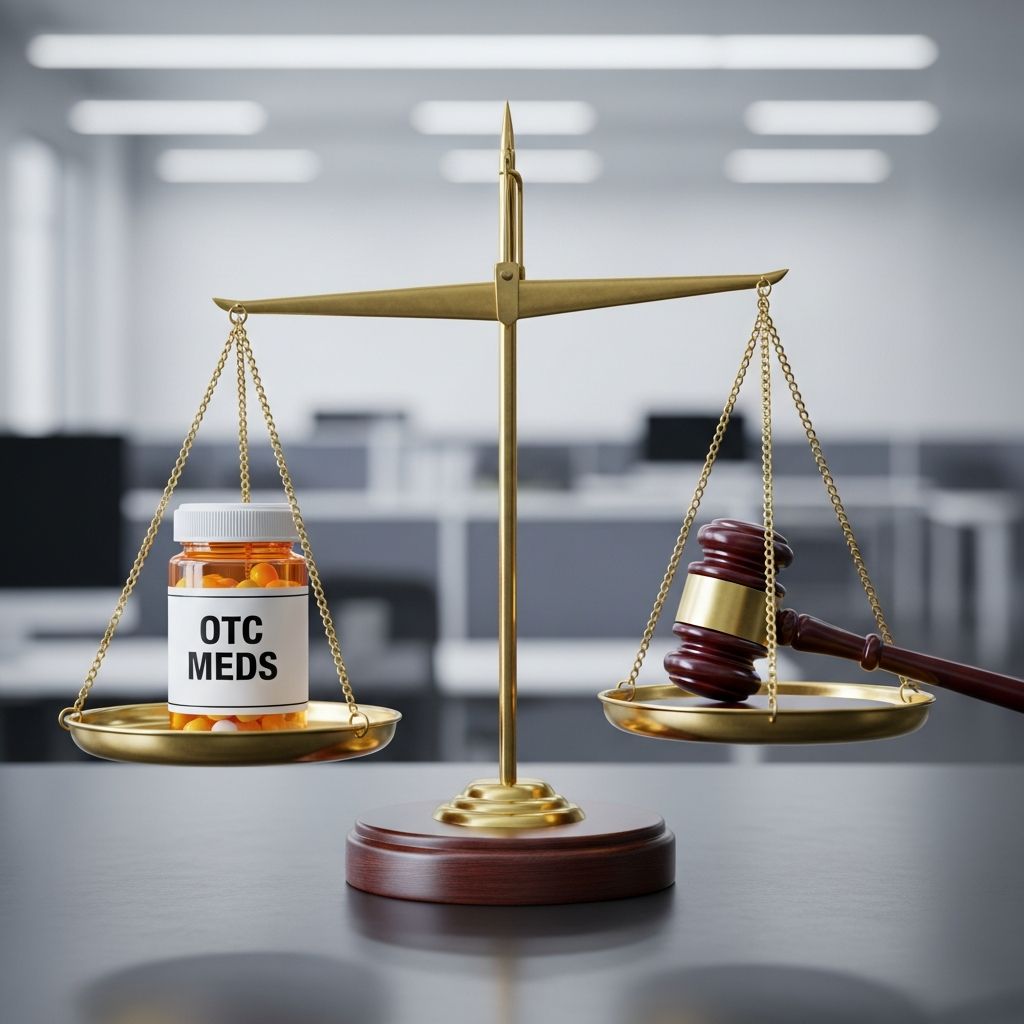
Offering over-the-counter (OTC) medications such as aspirin, ibuprofen, or antacids in the workplace is a common practice aimed at boosting productivity and employee comfort. However, this seemingly helpful gesture enters a legal gray area fraught with potential liabilities for employers. While no federal law outright bans it, varying state regulations, health risks, and accountability concerns make it a risky endeavor. This article examines the core issues, regulatory landscape, risk mitigation tactics, and forward-thinking alternatives to keep your business compliant and safe.
Understanding the Appeal of Workplace Medications
Many employers stock OTC drugs in break rooms or first aid kits to address minor ailments like headaches, colds, or stomach discomfort. The rationale is straightforward: quick relief keeps workers on task, potentially cutting down on sick days or medical visits. For instance, a simple pain reliever can turn a unproductive afternoon into a focused one, indirectly supporting operational efficiency.
Yet, this convenience overlooks critical health variables. Medications interact differently based on individual factors such as allergies, pre-existing conditions, or concurrent prescriptions. Aspirin, for example, thins blood and poses dangers for those with clotting disorders or ulcers. Drowsiness-inducing antihistamines could impair machinery operators, heightening accident risks. These scenarios underscore why employer-provided meds demand caution.
Regulatory Framework: Federal and State Perspectives
No single U.S. law prohibits OTC meds in workplaces, but oversight from agencies like the FDA and OSHA sets boundaries. OSHA’s first aid standards (29 CFR 1910.266 App A) imply kits should focus on immediate injury response, not ongoing symptom management via drugs. Including meds could blur lines into medical practice, inviting scrutiny.
State laws add complexity. California’s regulations explicitly bar OTC drugs from first aid kits without physician approval, emphasizing professional oversight. Other states mirror this caution, prioritizing self-administration and warning against employer influence. Federal guidelines stress that bosses must not recommend, dispense, or pressure use—employees alone decide.
| State Example | Key Restriction | Source |
|---|---|---|
| California | OTC meds prohibited in first aid kits sans MD approval | Cal. Code Regs. Tit. 8 §340 |
| General U.S. | No employer recommendation or administration | OSHA Guidelines |
| Minnesota | Weigh productivity gains vs. liability exposure | MCIT Advisory |
Violations could trigger investigations, fines, or lawsuits if adverse events occur. In emergencies like suspected heart attacks, aspirin administration is endorsed by bodies like the American Heart Association, but only by trained first aiders under protocols—not routine stocking.
Key Liability Exposures for Employers
- Allergic Reactions and Interactions: Undisclosed conditions can lead to severe outcomes, with employers potentially liable for negligence in availability.
- Impaired Performance: Sedating meds may cause accidents; if linked to provided drugs, workers’ comp claims escalate.
- Misuse or Abuse: Unmonitored access invites improper dosing or sharing, amplifying risks.
- Legal Claims: Wrongful injury suits could argue employer assumption of medical duty.
Productivity benefits pale against these threats. A SHRM analysis highlights that while self-managed meds shift responsibility, communal supplies entangle employers. Courts may view availability as endorsement, especially sans disclaimers.
Best Practices for Risk Reduction
For employers opting to proceed, safeguards are essential. Implement clear policies:
- Post prominent disclaimers: “These medications are provided for voluntary self-use only. Consult a physician before taking. Employer makes no recommendations.”
- Secure storage: Lock in cabinets accessible only to adults, with logs for accountability.
- Limit selection: Stick to basics like single-dose packs of ibuprofen or acetaminophen, avoiding narcotics or allergens.
- Training: Educate staff on risks via annual sessions.
- No administration: Supervisors never handle or suggest use.
Consult attorneys and medical experts to tailor to your jurisdiction. An Employee Assistance Program (EAP) offers confidential advice, sidestepping direct provision.
Emergencies vs. Routine Use: Critical Distinctions
Context matters. In cardiac events, timely aspirin (300mg chewed) dramatically improves survival odds, per Australian Resuscitation Council guidelines adopted widely. Workplaces should train first aiders for this, separate from everyday kits. Similarly, epinephrine auto-injectors for anaphylaxis require prescription protocols—not OTC shelves.
Routine vs. acute: Stocking for headaches differs from emergency caches. Misplacing them invites liability; designate distinct, labeled supplies.
Alternatives to Direct Provision
Smarter paths exist:
- Personal Supplies: Encourage locked desks for individual meds, eliminating employer involvement.
- EAP Integration: Provide telehealth access for minor issues, ensuring professional guidance.
- Vending Machines: Neutral dispensers shift burden to vendors.
- Wellness Incentives: Reimburse pharmacy runs or offer on-site clinics.
These foster health without strings. Vigilant advises against provision outright, citing uncontrollables like abuse.
Industry Case Studies and Lessons
Consider a manufacturing firm facing a lawsuit after an employee suffered a gastric bleed from employer-stocked aspirin, undetected ulcer history. The settlement? Six figures, plus policy overhauls. Conversely, a tech company with EAP-only meds reported zero incidents, higher satisfaction scores.
MEA notes many include meds safely via disclaimers, but risks persist if influence perceived. Balance empathy with prudence.
Frequently Asked Questions (FAQs)
Is it illegal to stock aspirin in first aid kits?
No federal ban exists, but states like California restrict it without MD nod. Always self-administer without employer input.
What if an employee has a bad reaction?
Liability possible if provision seen as medical assumption. Disclaimers help, but prevention trumps cure.
Can supervisors suggest meds?
Absolutely not—avoids coercion claims. Neutral availability only.
What’s best for emergencies?
Train for aspirin in heart attacks; keep separate from routine supplies.
Alternatives to stocking meds?
EAPs, personal stashes, or wellness reimbursements minimize risks.
Conclusion: Prioritize Safety and Compliance
While OTC meds seem benign, legal, health, and operational pitfalls abound. Assess your workplace: high-risk industries (e.g., construction) warrant stricter avoidance. Proactive policies—disclaimers, alternatives, training—protect all. Consult pros; err safe. Healthy employees thrive in compliant environments.
References
- Can we provide nonprescription drugs in the workplace? — Vigilant. 2023. https://www.vigilant.org/employment-law-blog/can-we-provide-nonprescription-drugs-in-the-workplace/
- Can Employers Provide OTC Medication to Employees? — Alsco. 2024-01-15. https://alsco.com/resources/can-employers-provide-otc-medication-to-employees/
- Can I Provide Medicine for Employees? — MEA Blog. 2022-05-10. https://www.meainfo.org/blog/providing-medicine-for-employees/
- OSHA First Aid Standards — U.S. Department of Labor, OSHA. 2023-08-01. https://www.osha.gov/laws-regs/regulations/standardnumber/1910/1910.266AppA
- 3 Drugs you should keep in the workplace — Real Response. 2023. https://www.realresponse.com.au/3-drugs-you-should-keep-in-the-workplace/
- Should a company provide over-the-counter medications to employees? — SHRM. 2024-02-20. https://www.shrm.org/topics-tools/tools/hr-answers/company-provide-counter-medications-to-employees
Similar Articles








Read full bio of Sneha Tete




