
Protecting Children: Essential Car Safety Guide
Discover proven strategies to safeguard kids from common vehicle hazards, ensuring their safety inside and outside cars every day.
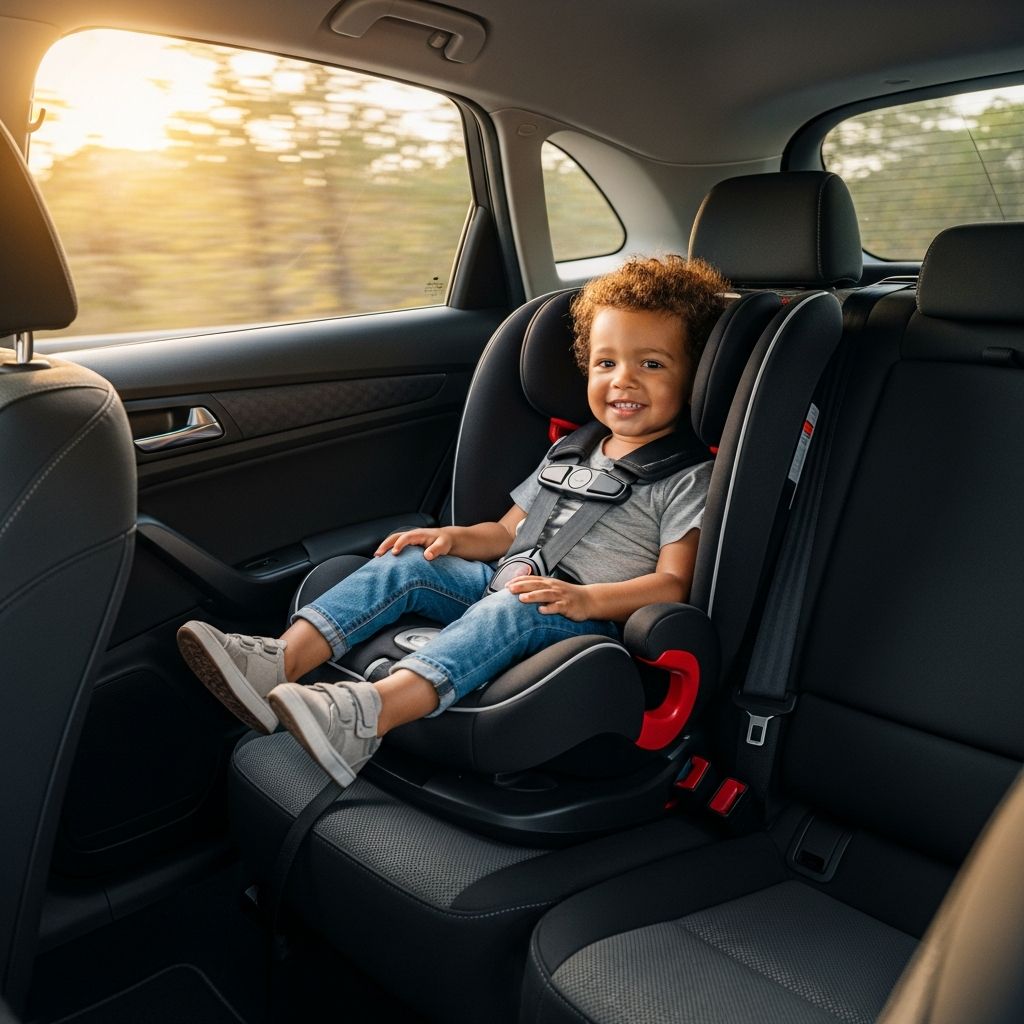
Vehicle-related incidents remain a leading cause of injury and death for young children, but simple, consistent practices can dramatically reduce these risks. This guide draws from authoritative health and safety organizations to outline practical steps for parents, caregivers, and drivers.
Mastering Child Restraint Systems
Selecting and correctly installing the appropriate car seat, booster, or seat belt is foundational to child passenger safety. Motor vehicle crashes are a top killer for kids aged 1 to 13, yet proper restraints can prevent many fatalities.
Infants require rear-facing car seats, which reduce death risk by 71%. Toddlers transition to forward-facing seats with harnesses, cutting risk by 54%, while boosters for ages 4-8 slash serious injury odds by 45%. Always adhere to the child’s age, height, and weight limits specified by manufacturers.
- Install seats in the back seat to avoid front airbag dangers; the American Academy of Pediatrics advises this until age 13.
- Ensure a snug fit: the harness should be at or below shoulders for rear-facing, above for forward-facing, with no slack.
- Use LATCH systems where possible for secure anchoring; check NHTSA guidelines for compatibility.
- Register seats for recall alerts and replace after crashes.
Never share belts or allow kids to tuck straps under arms, as this diminishes protection. Conduct regular checks to confirm tightness—no more than 1 inch of movement at the belt path.
Preventing Deadly Heatstroke Incidents
Vehicle interiors can heat to lethal levels rapidly, even on mild days. Never leave children unattended in cars, even briefly, as heatstroke kills dozens annually.
Make it routine to ‘look before you lock’: scan all seats and floors before exiting. Place a personal item like keys or phone in the back seat as a reminder. Teach older kids to exit first and verify siblings are out.
| Ambient Temp (°F) | Car Interior After 10 Min (°F) | After 30 Min (°F) |
|---|---|---|
| 70 | 89 | 104 |
| 80 | 99 | 114 |
| 90 | 109 | 124 |
Data shows interiors surpass 100°F quickly; symptoms like drowsiness signal emergency—break windows if needed.
Driveway and Parking Lot Vigilance
Backovers claim hundreds of young lives yearly, often in home driveways where blind spots hide playing children. Backup cameras, mandated since 2018, correlate with nearly 50% fewer severe injuries.
Counter this with habits: perform a full 360-degree walkaround before entering, especially in garages. Roll down windows to listen, back slowly, and designate a spot for kids to wait visibly, like the sidewalk.
- Confirm child locations with another adult if available.
- Check sidewalks up and down before reversing.
- Equip older vehicles with aftermarket sensors or cameras.
Supervise play away from driveways; opt for fenced yards.
Avoiding Trunk and Rollaway Dangers
Curious kids can access trunks or start vehicles, leading to entrapment or unintended movement. Lock cars always, even in garages, and store keys out of reach.
Modern trunks feature glow-in-the-dark releases; retrofit older models and teach usage. If a child vanishes, inspect trunks immediately. Prohibit trunk play entirely.
For rollaways, engage parking brakes and never leave keys accessible. Teach that cars are not toys.
Pedestrian Safety for Young Walkers
As kids gain independence, teach street smarts: hold hands crossing, look both ways, obey signals. Avoid chasing balls into roads.
Near school buses, stay 10 feet ahead, wait for driver signals, and never duck to retrieve dropped items. Practice defensive walking: stay on sidewalks, avoid darting.
Vehicle Etiquette for Passengers
Instill calm back-seat behavior—no jumping or yelling—to prevent driver distraction. Buckle before motion; use full belts correctly.
Older children graduating to front seats must wait until 13. Model sober, attentive driving always.
Technology and Policy Advances
Backup camera mandates have proven effective. Future tech like automatic braking shows promise. Stay informed via NHTSA and CDC updates.
Frequently Asked Questions
When can my child switch from a car seat to a booster?
Use boosters until the seat belt fits properly: lap belt low on hips, shoulder belt across chest, legs bent at knees without slouching. Typically ages 4-12.
Is it safe to leave a child in the car with AC running?
No—risks include rollaway, kidnapping, or system failure. Never leave unattended.
How do I know if my car seat is installed correctly?
Visit a NHTSA-certified technician for free inspections; use online videos and level indicators.
What if my child unbuckles during rides?
Harness tightly; use anti-tamper chest clips. Distract with quiet activities; praise compliance.
Are backseat cameras necessary?
Highly recommended for visibility; combine with walkarounds for best protection.
Implementing these strategies creates a safer environment. Consistent education and vigilance protect the most vulnerable.
References
- Keeping Children Safe in and Around Cars — UMass Memorial Health. 2023. https://www.ummhealth.org/health-library/keeping-children-safe-in-and-around-cars
- 4 Ways to Keep Kids Safe in the Car — Frankenmuth Insurance. 2023. https://www.fmins.com/blog/keep-kids-safe-in-the-car/
- Keeping Children Safe in Vehicles — HeadStart.gov. 2024-01-15. https://headstart.gov/safety-practices/article/keeping-children-safe-vehicles
- Road Rules for Kids — Nemours KidsHealth. 2024. https://kidshealth.org/en/parents/passenger-safety.html
- In and Around Cars — Safe Kids Worldwide. 2023. https://www.safekids.org/safetytips/field_risks/and-around-cars
- Child Passenger Safety — CDC. 2025-03-10. https://www.cdc.gov/child-passenger-safety/about/index.html
- Car Seats and Booster Seats — NHTSA. 2025. https://www.nhtsa.gov/vehicle-safety/car-seats-and-booster-seats
- Kids and Cars Safety — KidsAndCars.org. 2025-02-20. https://www.kidsandcars.org
Similar Articles








Read full bio of Sneha Tete




