
Property Owner Liability for Child Injuries
Understanding your legal responsibilities when children are injured on your residential property.
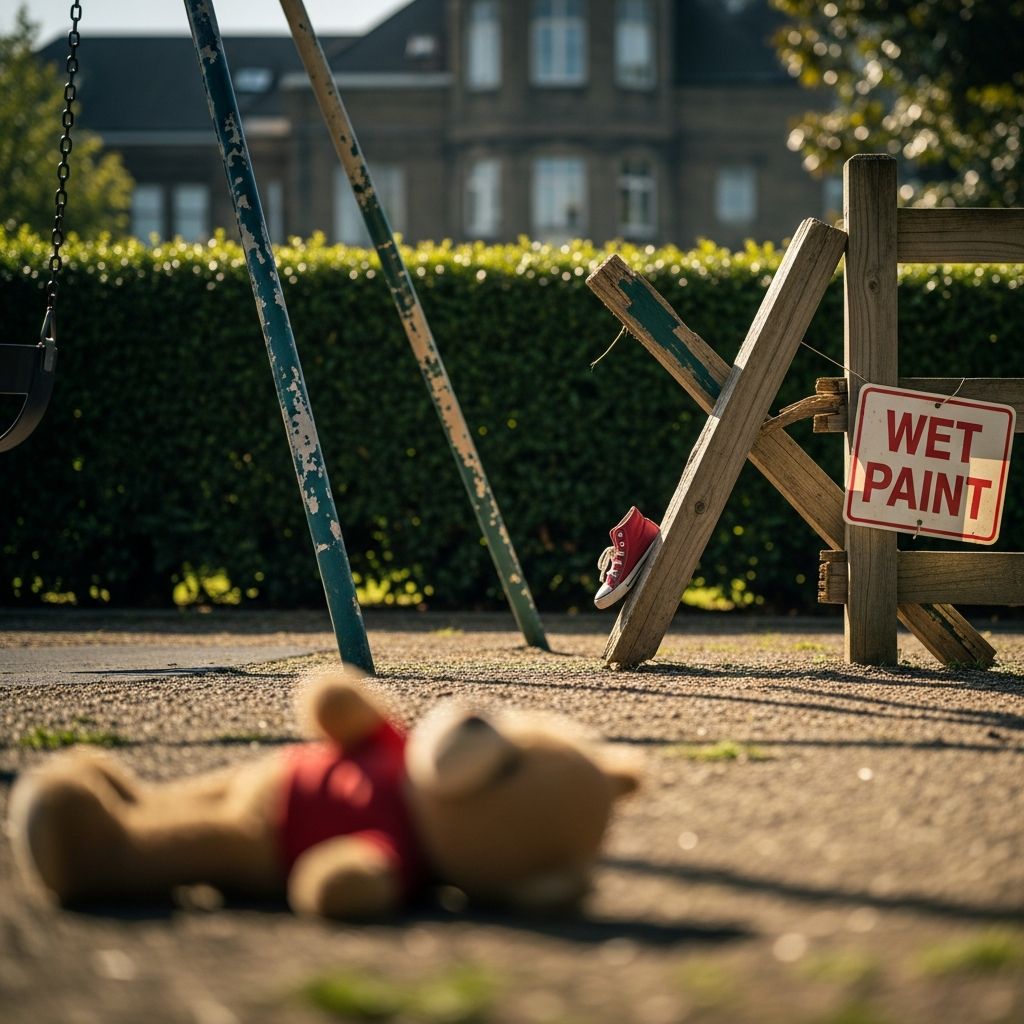
Understanding Your Legal Obligations as a Property Owner
Property ownership comes with significant legal responsibilities, particularly when children may be present on your land. The question of whether you face liability for a child’s injury on your property depends on multiple factors, including how the child came to be there, the nature of the dangerous condition, and your awareness of potential risks. Understanding these legal principles is essential for any homeowner who wants to protect both children and themselves from unnecessary harm.
The foundation of child injury liability rests on a legal principle known as premises liability. This area of law establishes that property owners must maintain reasonably safe conditions on their land and take appropriate precautions to prevent foreseeable injuries. When a child is harmed due to an unsafe property condition, the property owner may be held financially responsible for the damages resulting from that injury.
The Framework of Premises Liability Law
Premises liability law requires property owners to exercise a duty of care toward people who enter their property. This duty varies significantly depending on the visitor’s legal status. Understanding these distinctions is crucial for determining your potential liability exposure.
To establish a successful premises liability claim, the injured party must typically demonstrate four key elements:
- The defendant owned, leased, or occupied the property in question
- The defendant acted negligently in maintaining or using the property
- The injured person sustained actual harm or injury
- The defendant’s negligence directly caused the documented injury
Each of these elements must be proven through evidence, documentation, and sometimes expert testimony. The burden of proof rests with the injured party’s legal representative to demonstrate that negligence occurred and that it directly resulted in the injury.
Visitor Classifications and Varying Levels of Care
The law recognizes different categories of individuals who might be present on your property, and your legal duty toward each category differs substantially. These classifications determine the standard of care you must provide and ultimately influence whether you can be held liable for injuries.
An invitee is someone you have invited onto your property, such as a guest, service provider, or customer. Property owners owe the highest duty of care to invitees, which includes maintaining the property in safe condition and warning invitees about known dangers. If a child is an invitee on your property—for example, a neighborhood friend invited to your home—you must exercise considerable diligence to ensure their safety.
A licensee is someone with your permission to be on the property but not invited for business purposes. This might include someone using a shortcut across your land or a child from the neighborhood who has general permission to play in your yard. Property owners owe licensees a moderate level of care, though typically less extensive than what is owed to invitees. You must warn licensees about non-obvious dangers and avoid willfully injuring them.
A trespasser is someone on your property without permission or legal right to be there. Generally, property owners owe trespassers minimal duty of care. However, this general rule contains an important exception when the trespasser is a child.
The Attractive Nuisance Doctrine: Special Protection for Child Trespassers
The law recognizes that children have developmental limitations in assessing danger and understanding property boundaries. Consequently, courts have developed the attractive nuisance doctrine to provide enhanced legal protection for children who trespass onto property. This doctrine fundamentally changes the liability calculus when a child trespasser is injured on your property.
The attractive nuisance doctrine applies when specific conditions are met. Property owners may face liability for injuries to child trespassers if they can establish the following factors:
- The property owner knows or reasonably should know that children are likely to trespass on the property
- A condition exists on the property that the owner knows or should know creates an unreasonable risk of serious harm to children
- Children, due to their age and developmental stage, are unlikely to discover the dangerous condition or fully appreciate the associated risks
- The burden of eliminating the danger or protecting children from it is slight compared to the substantial risk of injury to children
- The property owner fails to exercise reasonable care to eliminate the danger or otherwise protect children from harm
Common property features that frequently trigger attractive nuisance liability include swimming pools, trampolines, abandoned structures, unguarded machinery, construction equipment, and piles of materials that might attract children’s curiosity and play. A property owner’s failure to secure, fence, or clearly mark such dangers can result in significant liability.
High-Risk Property Features and Enhanced Duty
Certain property features are particularly associated with child injuries and attract heightened legal scrutiny. Property owners with these features face greater obligations to protect child trespassers and must exercise substantial care to prevent access or injury.
Swimming pools and water features represent one of the most common sources of attractive nuisance liability. An unfenced or inadequately secured pool on residential property creates obvious attraction for children, and drowning remains a leading cause of unintentional injury-related death in children. Property owners are expected to install appropriate fencing, gates with self-closing mechanisms, and warning signage. Some jurisdictions require multiple layers of protection around pools.
Playground equipment, whether on private residential property or commercial facilities, requires proper maintenance and appropriate supervision standards. Courts examine whether equipment meets safety standards, whether soft landing surfaces are present and in good condition, and whether supervision is adequate for the setting. Deteriorated equipment or missing safety features can establish liability.
Trampolines and recreational equipment similarly create attractive conditions for children while presenting substantial injury risks. Property owners should fence these items, post warnings, restrict access, and ensure equipment is well-maintained.
Abandoned structures, including old wells, collapsed buildings, or deteriorated structures, frequently attract children’s exploration despite obvious dangers. Property owners must secure these structures to prevent child access.
When You May Not Be Liable: Exceptions and Limitations
While the attractive nuisance doctrine provides substantial protection for injured children, important exceptions and limitations exist. Understanding these boundaries helps clarify when property owners are not held liable despite a child’s injury on their property.
Property owners generally do not have a duty to protect children from dangers that are open and obvious. If a child is injured by a danger that would be immediately apparent to any person of similar age and maturity, the property owner may not be liable. For example, an extremely steep cliff edge or clearly visible deep trench might fall into this category, though courts examine this question carefully.
The attractive nuisance doctrine does not apply when a child engages in criminal conduct while on the property. If a child trespasses to commit theft, vandalism, or other crimes and sustains an injury from their own misconduct, the property owner typically bears no liability. For instance, if a child breaks a window while attempting to burglarize a home and cuts themselves on broken glass, the property owner has no duty to protect them from this self-created danger.
When a danger results from the child’s own actions and decisions rather than negligent property conditions, liability may be limited. Courts consider whether the child made an independent choice to interact with a danger they understood, versus whether the property owner’s negligence directly created the injury.
Establishing Reasonable Care: What Property Owners Should Do
Property owners can significantly reduce liability exposure by implementing reasonable protective measures. What constitutes “reasonable care” depends on the specific circumstances, property features, and risks involved, but generally includes several key actions.
Regular property inspections help identify potential hazards and dangerous conditions. Property owners should periodically walk their property to assess for unsafe features, deteriorating structures, exposed hazards, and conditions that might attract children. Documentation of these inspections creates evidence of diligent care.
Maintenance and repairs of existing safety features are essential. If you have installed fencing, gates, signs, or warning systems, these must be kept in working order. A broken lock on a gate, deteriorated fencing, or non-functional warning lights can demonstrate negligence despite the property owner’s initial intent to protect children.
Physical barriers and access restrictions prevent child trespassers from reaching dangerous conditions. Appropriate fencing with locked gates, warning signs, and visible demarcation communicate that the property is restricted. These measures demonstrate reasonable care even if a persistent child manages to bypass them.
Warning signs and notices inform both adult visitors and older children about specific dangers. Signs should be clearly visible, written in understandable language, and placed where people are likely to encounter them before accessing the danger.
Removal or modification of hazards represents the most direct approach. When feasible, property owners should eliminate dangerous conditions rather than merely warning about them. For example, draining an unused pool or removing abandoned equipment eliminates the hazard entirely.
Differences Between Private and Public Property Liability
The liability framework differs depending on whether the property is privately owned or operated by a public entity. Understanding these distinctions is important when evaluating potential liability or pursuing a claim.
Private property owners, including homeowners and landlords, are typically held to standard premises liability and attractive nuisance principles established by state law. They face direct liability for negligent maintenance or failure to protect children from known hazards. These property owners can be sued in civil court by injured parties seeking damages.
Public entities, including municipalities and government agencies that operate parks, schools, or public facilities, often enjoy special legal protections such as sovereign immunity. This doctrine limits the circumstances under which governmental entities can be sued. However, many jurisdictions have established procedures for pursuing claims against public entities, which often require filing a special notice of claim within a short timeframe—sometimes as little as 90 days. The substantive rules regarding playground safety and premises maintenance may be more favorable to plaintiffs in these jurisdictions.
Insurance Considerations and Financial Protection
Homeowners insurance typically includes liability coverage that protects against claims arising from injuries occurring on the property. However, coverage may have limitations, exclusions, or policy caps. Property owners should review their insurance policies to understand their coverage and consider whether additional umbrella liability insurance might be appropriate, particularly if they have property features that could attract children.
Consulting with an insurance agent about specific risks—such as owning a pool, operating recreational equipment, or managing property with unusual hazards—helps ensure adequate coverage. Documenting your property maintenance and safety measures can support insurance claims if an injury occurs.
Practical Steps for Risk Reduction
Property owners can take several concrete steps to minimize the risk of child injuries and associated liability:
- Install and maintain appropriate fencing with locks and gates around pools, trampolines, and other attractive nuisances
- Post clear, visible warning signs about specific dangers on the property
- Keep playground equipment, recreational features, and safety barriers in good repair
- Remove or secure abandoned structures, equipment, or materials that might attract children
- Maintain clear sight lines by trimming vegetation that might hide hazards
- Conduct regular property inspections and document your findings
- Communicate with neighbors if your property adjoins areas where children commonly play
- Review homeowners insurance coverage and consider umbrella policies for added protection
- Consult with a property attorney if you own property with unusual features or known hazards
Frequently Asked Questions
Q: If a child is injured on my property and I had homeowners insurance, can I be personally sued for damages?
A: Yes, you can be personally sued, but your homeowners insurance typically covers the liability claim and legal defense. However, insurance has coverage limits, and if damages exceed your policy limits, you could face personal financial responsibility.
Q: What is the attractive nuisance doctrine?
A: The attractive nuisance doctrine holds property owners liable for injuries to child trespassers if a dangerous condition on the property is likely to attract children and the owner fails to exercise reasonable care to protect them, even though they are technically trespassing.
Q: Do I need to fence my swimming pool?
A: Most jurisdictions require or strongly recommend fencing around pools. Additionally, proper gates with self-closing and self-latching mechanisms are often required. Check your local building codes and ordinances for specific requirements in your area.
Q: What should I do if a child is injured on my property?
A: Call emergency services if the injury is serious, document the scene with photos, gather witness information, notify your insurance company promptly, and contact an attorney. Avoid admitting fault or discussing liability with the injured party.
Q: Is there a statute of limitations for filing a premises liability claim involving a child?
A: Statutes of limitations vary by state, and special rules often apply for claims involving minors. Many states allow the statute to begin running when the child reaches the age of majority. Consult an attorney in your state for specific timeframes.
Q: What if a child trespasses on my property and is injured, but it’s not due to a dangerous condition I own?
A: If the injury results from the child’s own actions or natural conditions (like a natural ravine), you may not be liable even if the child is a trespasser. The attractive nuisance doctrine generally applies to artificial conditions or conditions that the property owner created or maintains.
Q: Can I be held liable if the child was warned about a danger?
A: While warnings help demonstrate reasonable care, a warning alone may not shield you from liability if young children are the trespassers, since they may not understand or heed warnings. Physical barriers and access restrictions are generally more effective protective measures for child trespassers.
References
- Child Injuries on Property & Legal Concerns — Justia. 2024. https://www.justia.com/injury/premises-liability/children-on-property/
- What to do when children are injured on private property? — We Win Injury Law. 2024. https://wewininjurylaw.com/what-to-do-when-children-are-injured-on-private-property/
- Premises Liability for Children: Special Rules for Playground and Pool Injuries — Brandon J. Broderick, Attorney at Law. 2024. https://www.brandonjbroderick.com/premises-liability-children-special-rules-playground-and-pool-injuries
- Premises Liability Claims Involving Child Trespassers — Phillips Law Group. 2024. https://phillipslaw.com/blog/injury-claims-for-child-trespassers/
- New York City Premises Liability Lawyer | NYC Bar — New York City Bar Association. 2024. https://www.nycbar.org/get-legal-help/article/personal-injury-and-accidents/premises-liability/
Similar Articles








Read full bio of medha deb




