
Food Delivery Behind Bars: What Inmates Can Actually Order
Discover the surprising truth about food ordering in correctional facilities and unique programs changing the system.
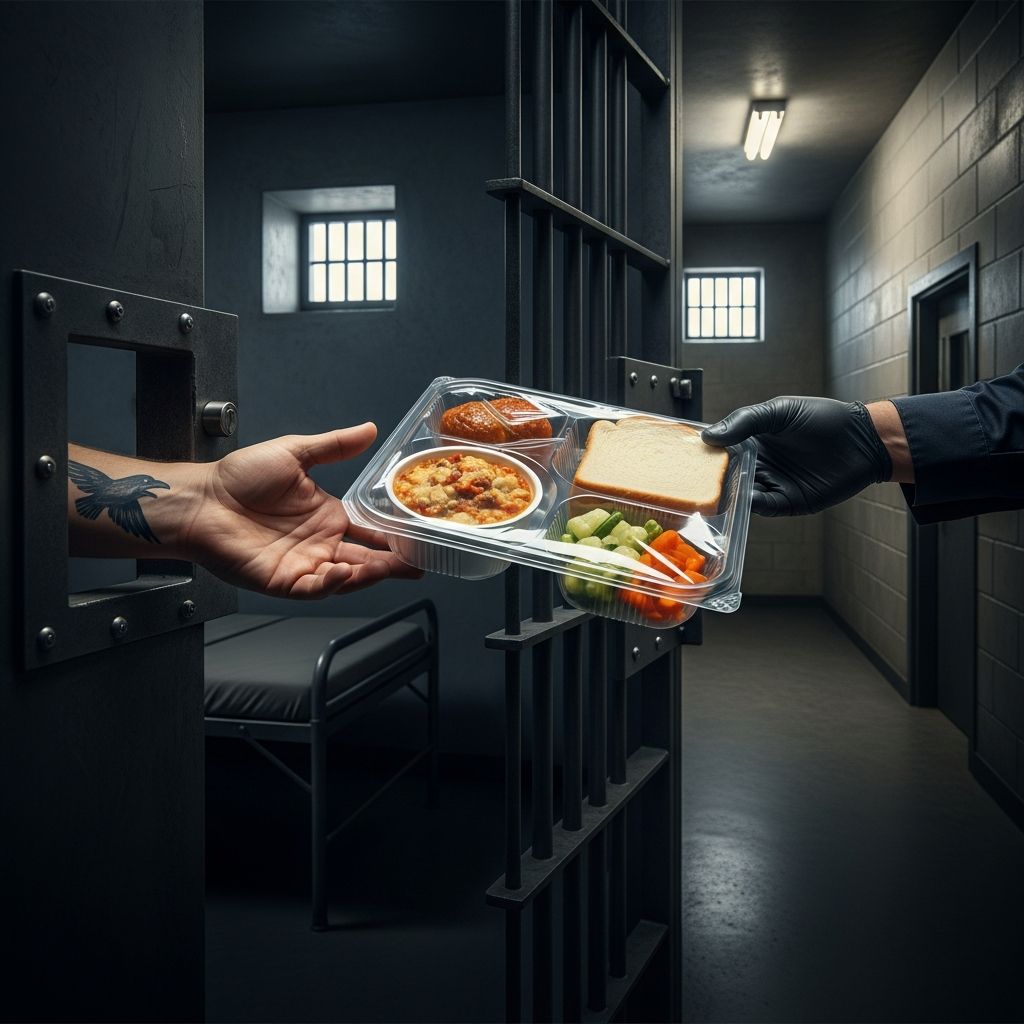
Understanding Food Access in Correctional Facilities
When people think about life inside correctional institutions, questions often arise about the mundane details of daily existence. One surprisingly common question concerns whether incarcerated individuals can order food, particularly popular items like pizza. The answer is more nuanced than a simple yes or no, as it depends on facility policies, security classifications, and available programs. While the stereotype of unlimited commissary access persists in popular media, the reality involves strict regulations, limited options, and carefully controlled systems designed to maintain security while addressing nutritional needs.
Standard Meal Services and Nutritional Guidelines
Most correctional facilities operate under federal and state guidelines that mandate the provision of three meals daily to all incarcerated individuals. These meals are prepared by facility food service departments that prioritize nutrition, cost-effectiveness, and security over culinary excellence or personal preference. The standard approach ensures that every inmate receives adequate calories and nutritional content, but the meals typically feature simple, filling foods rather than specialized or gourmet options.
The food service model in prisons focuses primarily on meeting basic nutritional requirements rather than satisfying individual taste preferences. Meals are designed to be prepared in large quantities, stored safely, and distributed efficiently across hundreds or thousands of people. This institutional approach necessarily limits variety and culinary creativity. Inmates generally consume basic proteins, vegetables, starches, and bread products prepared in bulk, with at least one hot meal guaranteed daily. The philosophy behind this system prioritizes function and security over dining experience, making traditional restaurant-quality meals unlikely within the standard facility operations.
Commissary Systems: Limited Personal Purchasing Power
Beyond standard meals, many facilities offer commissary systems that allow inmates to purchase supplemental food items using funds from their accounts. These accounts typically derive from family deposits, work earnings, or settlements. The commissary operates as an internal store where incarcerated individuals can buy snacks, beverages, hygiene products, and occasionally prepared foods within strict parameters.
Commissary items are carefully curated and vetted for security concerns. Facilities prohibit items that could be weaponized, used to create contraband, or pose other safety risks. While commissary systems do provide some choice and autonomy in food selection, they remain far more limited than commercial grocery stores or restaurants. Inmates might purchase items like instant noodles, crackers, peanut butter, candy, or canned goods, but they cannot simply order whatever they want whenever they want. The commissary operates on set schedules, and purchasing power is limited by available funds and facility policies.
Security Concerns Surrounding Outside Food Delivery
The primary reason correctional facilities restrict outside food delivery involves security and contraband prevention. When items enter a facility from external sources, they create multiple security vulnerabilities that administrators must carefully manage. Outside food could contain hidden weapons, drugs, cell phones, or other prohibited materials that compromise institutional safety and security.
Allowing inmates to receive pizza from commercial delivery services would require facility staff to inspect every item, potentially creating opportunities for concealment of dangerous materials. Additionally, outside delivery systems create communication pathways between incarcerated individuals and external contacts that facilities cannot fully control or monitor. Staff members also express hesitation about managing complex food programs that could strain resources or create favoritism in access. The potential for contraband smuggling, security breaches, and management complications makes unrestricted outside food delivery an impractical policy for most institutions.
Innovative Programs: Pizza and Culinary Training Initiatives
Despite general restrictions on outside food delivery, some forward-thinking facilities have developed unique programs that allow limited food ordering while maintaining security protocols. The most notable example emerged at Cook County Jail in Chicago, where Sheriff Tom Dart implemented an innovative initiative as part of a broader effort to make incarceration more humane while teaching inmates vocational skills.
At Cook County’s Division 11, a medium-security unit, inmates can order freshly made gourmet pizzas prepared entirely within the facility by fellow inmates undergoing culinary training. This program, developed in partnership with chef Bruno Abate and his organization called “Recipe for Change,” uses professional-grade pizza ovens to create pizzas with quality ingredients. Inmates can order pizzas in flavors ranging from margherita to four-season varieties featuring mushrooms, salami, olives, and eggs, with prices typically ranging from five to seven dollars. The operation produces several hundred pizzas weekly, selling them through the facility’s commissary system to other inmates who receive them delivered directly to their cells.
This innovative model achieves multiple objectives simultaneously: it provides inmates with better food options, generates revenue for the facility, teaches valuable culinary skills to participants, and maintains complete security control by keeping all operations internal. Inmates in the pizza program gain professional cooking experience and knowledge about nutrition, food preparation, and business operations—skills that can facilitate successful reentry after release.
Controlled Food Programs in Other Facilities
Beyond Chicago’s pizza initiative, some correctional institutions have implemented other controlled programs allowing inmates to order from approved external vendors on limited schedules. In Missouri prisons, for example, certain facilities conduct monthly “sales projects” organized by prisoner-run organizations such as NAACP chapters. These events allow inmates to order from outside restaurants like Popeyes or Domino’s, with food arriving approximately one month after orders are placed. This delay provides time for security screening, documentation, and logistics coordination.
While these programs offer some relief from standard institutional meals, they come with significant constraints. Facilities typically impose spending limits ranging from no cap to sixty dollars per person per project. Additionally, facilities add fees to each order, ranging from two to four dollars per item to cover transportation costs for staff retrieving the food. These fees, combined with restaurant prices, can make outside food orders relatively expensive for incarcerated individuals, particularly those with limited commissary funds.
Access Limitations and Eligibility Requirements
Even in facilities offering special food programs, access remains restricted to specific populations. Programs are often limited to particular security levels, housing units, or custody classifications. Medium-security inmates might have access while maximum-security residents do not. Additionally, inmates with disciplinary infractions or those in segregation often lose privileges including special food ordering. Eligibility requirements ensure that programs reward good behavior and institutional compliance while maintaining control over who participates and when.
Security level restrictions exist because higher-security populations require stricter supervision and fewer external contacts. The logistics of delivering food, verifying orders, and managing payment systems become more complex and potentially riskier in environments housing individuals convicted of more serious offenses or demonstrating institutional misconduct. Facilities must balance the rehabilitative and morale benefits of special programs against security imperatives and practical operational constraints.
Payment Methods and Commissary Limitations
Inmates cannot pay for special food orders using credit cards, digital payments, or phone orders like free people do. Instead, they must use commissary accounts funded through family deposits, work earnings, or legal settlements. Family members typically deposit funds through designated commercial services that charge fees for the transaction, making each deposit more expensive than the raw amount transferred. This system ensures that all transactions occur through institutional channels where they can be monitored, documented, and controlled.
Work earnings provide another funding source, as many facilities employ inmates in various roles at minimal wages—often less than one dollar per hour. Accumulating sufficient commissary balance to purchase special food items can take considerable time for inmates without outside financial support. This reality creates potential equity issues, as inmates with supportive families can more easily afford enhanced food options while others subsist entirely on standard institutional meals.
Rehabilitation and Behavioral Benefits
Programs offering enhanced food options serve purposes beyond simple dietary enrichment. When facilities allow inmates to earn better food through good behavior and program participation, they create incentive structures that encourage institutional compliance and pro-social conduct. Knowing that participation in vocational training like culinary programs leads to better meals can motivate engagement with educational and skill-development opportunities.
The pizza program at Cook County Jail exemplifies this rehabilitative approach. Participants gain professional culinary training, develop work skills, build self-esteem through productive employment, and contribute meaningfully to their institution’s operations. Program graduates leave with verifiable job experience and references that can facilitate legitimate employment after release, addressing one of the most significant barriers to successful reentry and recidivism reduction.
Reentry Preparation Through Food Programs
Culinary training and food service programs prepare inmates for actual employment opportunities in hospitality, food service, and related industries. These sectors represent some of the most accessible entry-level employment for people with criminal records, making skills training particularly valuable. Inmates who develop professional cooking skills, food safety certifications, or food service experience during incarceration gain concrete advantages in competitive job markets upon release.
Beyond employment preparation, exposure to quality food and nutritional education during incarceration can influence long-term health outcomes after release. Inmates who learn about nutrition, balanced eating, and cooking techniques may make better dietary choices in the community, potentially improving health and reducing recidivism through better overall well-being.
Cost Considerations and Budget Implications
Implementing special food programs involves significant capital and operational costs. Cook County Jail’s pizza program required investment in professional-grade ovens exceeding sixteen thousand dollars, ongoing ingredient purchases, staff supervision, and program management. These expenses must be justified through commissary revenue, grants, philanthropic support, or budget reallocation within correctional departments.
The financial model for these programs varies. Some facilities operate them at minimal cost by utilizing existing infrastructure and inmate labor paid at standard rates. Others generate revenue that partially offsets expenses or even contributes to facility budgets. The viability of special food programs often depends on administrative support, community partnerships, funding availability, and demonstrated success in achieving stated objectives like reduced recidivism or improved institutional behavior.
Common Questions About Prison Food Ordering
Q: Can inmates receive pizza delivered from commercial restaurants?
A: Generally no. Most facilities prohibit outside food delivery due to security and contraband concerns. However, some facilities offer controlled programs where inmates can order from approved vendors or order food prepared internally by fellow inmates.
Q: How do inmates pay for special food orders?
A: Inmates use commissary accounts funded through family deposits, work earnings, or legal settlements. They cannot use credit cards or personal payment methods.
Q: Are all inmates eligible for special food programs?
A: No. Eligibility typically depends on security classification, facility assignment, behavioral record, and program rules. High-security inmates often have no access to special programs.
Q: How long does it take to receive outside food orders?
A: Facilities offering controlled outside food programs typically implement month-long delays to allow time for ordering, security screening, and logistics coordination.
Q: What are the security risks of allowing outside food delivery?
A: Outside food could contain hidden weapons, drugs, cell phones, or other contraband. It also creates communication pathways between inmates and external contacts that are difficult to monitor completely.
Q: Do food programs improve inmate behavior and rehabilitation?
A: Evidence suggests yes. Programs providing incentives for good behavior and participation in vocational training like culinary education can encourage institutional compliance and skill development beneficial for reentry.
The Future of Correctional Food Services
As correctional systems increasingly focus on rehabilitation rather than pure punishment, innovative food programs may become more common. Facilities recognizing the rehabilitative potential of culinary training, improved nutrition, and inmate autonomy through controlled food ordering are likely to expand such initiatives. However, security concerns will continue to shape policy, ensuring that any expansion remains carefully controlled and thoroughly vetted.
The question of whether inmates can order pizza to their cells ultimately reflects broader societal questions about how we treat incarcerated individuals, what corrections systems should accomplish, and how to balance security with dignity and rehabilitation. While most inmates cannot simply order pizza as free people do, innovative facilities are demonstrating that thoughtfully designed programs can provide better food options while simultaneously teaching skills, encouraging good behavior, and preparing people for successful reentry.
References
- Inmates at Chicago-area jail can have pizza delivered to their cells — 10News.com / Chicago Tribune. Accessed April 2026. https://www.10news.com/news/national/inmates-at-chicago-area-jail-can-have-pizza-delivered-to-their-cells
- Chicago Inmates Can Order Gourmet Pizza Made In Jail — CBS News / Associated Press. Accessed April 2026. https://www.cbsnews.com/detroit/news/pizza-made-in-jail/
- Can Inmates Order Pizza In Prison? Jail & Prison Insider — Jail & Prison Insider (YouTube). Accessed April 2026. https://www.youtube.com/watch?v=upgWkWLAp-c
- Food Delivery in Prison? It’s a Thing — Prison Journalism Project. 2025. https://prisonjournalismproject.org/2025/08/14/you-can-get-food-delivered-in-this-prison/
- Federal Bureau of Prisons: Commissary Program — U.S. Department of Justice. Accessed April 2026. https://www.bop.gov/inmates/custody_and_care/food_service.jsp
Similar Articles








Read full bio of Sneha Tete




