
Preventing Ski Injuries: Essential Safety Guide
Master proven strategies to stay safe on the slopes, avoid common injuries, and enjoy skiing without the risk of harm.
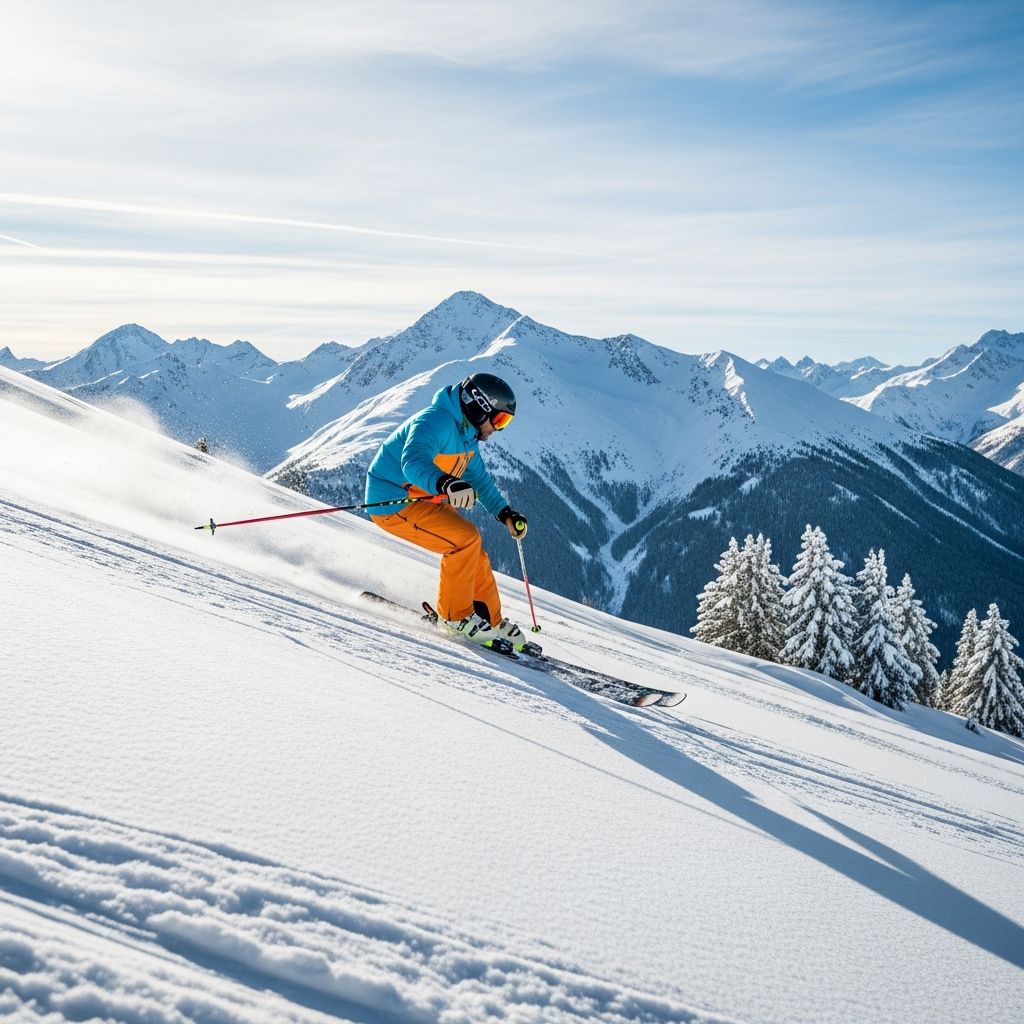
Skiing offers thrilling descents and breathtaking mountain views, but it carries risks of serious injuries if not approached with care. Falls, collisions, and overexertion lead to thousands of emergency room visits annually. By prioritizing physical preparation, proper equipment, refined techniques, and mindful behaviors, skiers can drastically cut these risks. This guide draws from expert orthopedic and safety recommendations to equip you with actionable steps for safer slopes.
Building a Strong Foundation: Pre-Season Fitness Training
Entering the slopes without adequate conditioning invites muscle strains, sprains, and fractures. A targeted fitness regimen months before your first run strengthens key areas like legs, core, and balance, reducing fall likelihood and injury severity.
Focus on lower body power: exercises targeting
quadriceps
,hamstrings
,glutes
, and calves build stability for turns and absorbing bumps. Incorporate squats, lunges, and leg presses 3-4 times weekly. Core work via planks, Russian twists, and bird-dogs enhances posture and quick recovery from imbalances.Balance training prevents awkward twists; use balance boards, single-leg stands, or yoga poses like tree pose. Aerobic cardio—running, cycling, or swimming—boosts endurance, warding off fatigue-related mishaps. Aim for 150 minutes of moderate cardio weekly, per health guidelines.
- Squats and Lunges: 3 sets of 12 reps to fortify knee support.
- Planks: Hold 30-60 seconds, building to 2 minutes.
- Single-Leg Balance: 30 seconds per leg, eyes closed for challenge.
- Yoga Sessions: 1-2 weekly for flexibility and proprioception.
Flexibility routines, including dynamic stretches, keep muscles pliable against cold. An 8-week plan integrating these can transform novice endurance into expert resilience. Track progress to ensure consistent gains.
Gearing Up Right: Equipment Essentials for Protection
Ill-fitted or outdated gear amplifies dangers, from binding failures to unprotected falls. Professional inspections ensure bindings release appropriately for your weight, height, and skill, preventing knee torque injuries.
Helmets slash traumatic brain injury risk by up to 60%; choose models meeting ASTM standards, fitting snugly without pressure points. Pair with goggles for visibility in glare or storms. Boots must hug feet securely—too loose causes ankle rolls, too tight restricts blood flow.
| Gear Item | Key Checks | Benefits |
|---|---|---|
| Helmet | ASTM-certified, proper fit | Reduces head trauma |
| Bindings | Adjusted for weight/skill | Prevents knee injuries |
| Boots | Snug, no pain points | Improves control |
| Poles/Skis | Height-appropriate, serviced | Enhances balance |
| Wrist Guards | Padded gloves | Shields falls |
Service equipment annually; inspect edges, bases, and brakes pre-run. For prior injuries, add braces. Layered, moisture-wicking clothing combats hypothermia, keeping muscles warm and responsive.
Mastering Slope Techniques: Skills for Injury-Free Runs
Poor form causes most knee, shoulder, and spinal injuries. Proper positioning—hips over knees, hands forward—maintains balance, avoiding the risky ‘backseat’ stance.
Beginners benefit immensely from lessons; instructors teach fall techniques like flexed knees to avoid locks, and controlled stops. Even pros refine turns via hip rotation over edging skis. Progress gradually: stick to green runs before blues.
- Stance Alignment: Feet hip-width, knees flexed, weight centered.
- Turn Mechanics: Upper body faces downhill, initiate with legs.
- Fall Safely: Tuck chin, protect head, slide to stop.
- Lessons: Mandatory for newbies, refresher for all.
Weather awareness: check forecasts, avoid whiteouts. Visibility drops risk collisions.
On-Mountain Habits: Sustaining Safety Throughout the Day
Fatigue breeds errors; schedule breaks every 90 minutes for hydration and snacks. Fuel with complex carbs, proteins; water combats altitude dehydration.
Warm-up dynamically: 5-10 minutes marching, arm circles, leg swings increase blood flow, prepping cold muscles. Ski with buddies, maintaining visual contact—solo runs heighten complication risks.
Obey trail signs, yield properly: downhill has right-of-way. When tired, quit—end-of-day accidents surge.
Common Injuries and Targeted Defenses
Knee ligament tears (ACL/MCL) top lists; counter with quad/hamstring balance and binding checks. Head concussions drop via helmets. Shoulder rotator cuff strains need pre-stretching and form. Wrist fractures prevented by guards. Spinal issues from reckless jumps: stay within ability.
Frequently Asked Questions (FAQs)
What fitness level is needed for skiing?
Moderate: strong legs/core, good cardio. Start training 8-12 weeks prior.
Are helmets really necessary for experienced skiers?
Yes; they cut severe head injury risk regardless of skill.
How often should I service my skis?
Annually, plus pre-season checks.
Can beginners skip lessons?
No; they build safe habits, reducing injury by 30-50%.
What if I feel fatigued mid-day?
Take a break, hydrate, or stop—fatigue doubles fall risk.
Implementing these strategies ensures joyful, injury-free skiing. Preparation turns potential hazards into conquered challenges.
References
- How to prevent ski and snowboard injuries and keep your body healthy — UC Davis Health. 2026-02. https://health.ucdavis.edu/blog/cultivating-health/how-to-prevent-ski-and-snowboard-injuries-and-keep-your-body-healthy/2026/02
- 5 Top Skiing Injuries & How to Avoid Them — Tennessee Orthopaedic Alliance. N/A. https://www.toaeasttn.com/5-top-skiing-injuries-how-to-avoid-them/
- 6 Tips to Prevent Knee Injuries this Ski Season — Colorado Advanced Orthopedics. N/A. https://coloradoadvancedorthopedics.com/6-tips-to-prevent-knee-injuries-this-ski-season/
- 5 Most Common Ski Injuries and How to Prevent Them — Alpine Orthopedics. N/A. https://www.alpineorthopedics.com/index.php/blog/5-most-common-ski-injuries-and-how-to-prevent-them
- Skiing Injury Prevention — American Academy of Orthopaedic Surgeons (AAOS) OrthoInfo. N/A. https://www.orthoinfo.org/en/staying-healthy/skiing-injury-prevention/
- Preventing Injuries This Ski Season — The Orthopedic Partners. N/A. https://www.toportho.com/blog/preventing-injuries-this-ski-season/
- Safe Slopes: Preventing Winter Sports Injuries — American Orthopaedic Society for Sports Medicine. 2024. https://www.sportsmed.org/membership/sports-medicine-update/winter-2024/safe-slopes-preventing-winter-sports-injuries
Similar Articles








Read full bio of medha deb




