
Preventing Distracted Driving: Key Strategies for Safer Roads
Essential strategies to combat distracted driving during Awareness Month and beyond for safer roadways.
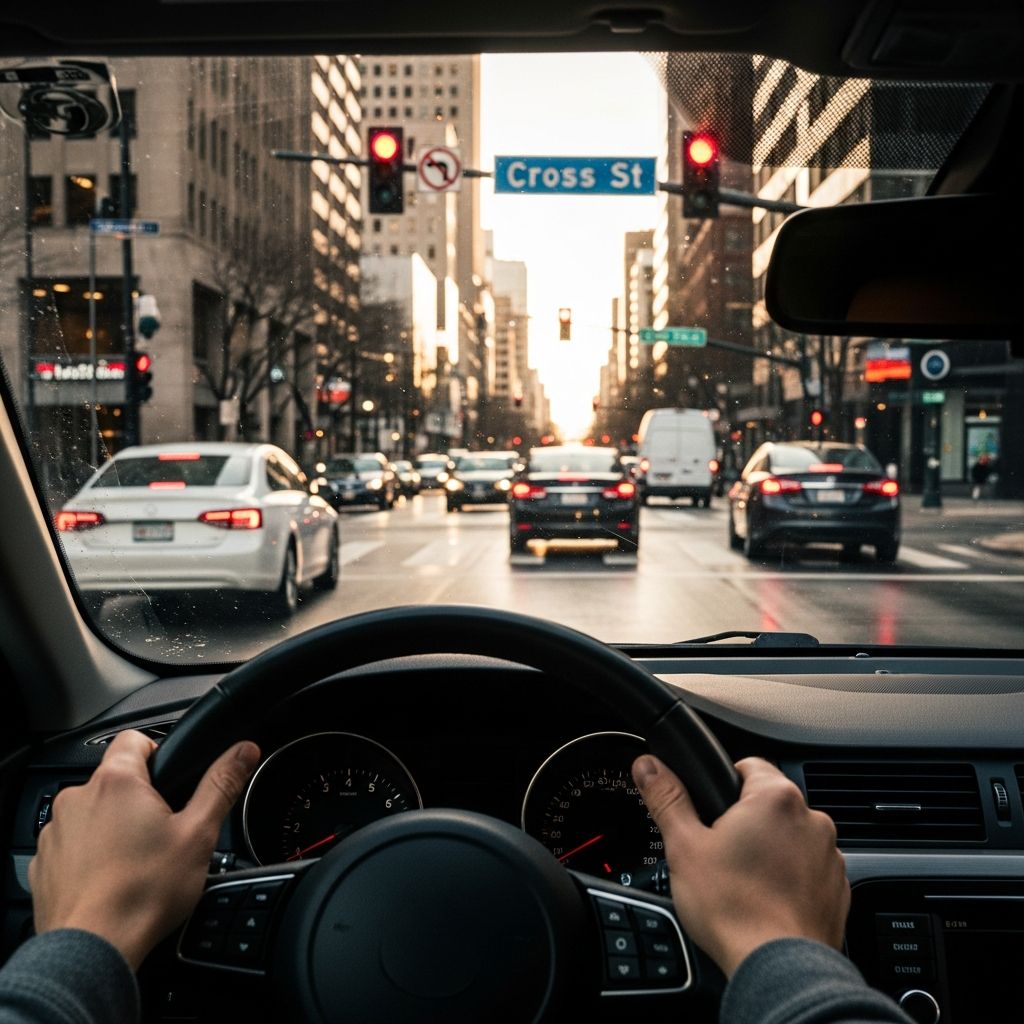
Distracted driving remains a major contributor to traffic accidents, causing hundreds of thousands of crashes annually across the United States. During Distracted Driving Awareness Month in April, drivers are urged to prioritize full attention on the road to reduce these preventable incidents.
Understanding the Scope of the Distracted Driving Crisis
Any activity that diverts a driver’s eyes, hands, or mind from the primary task of operating a vehicle qualifies as a distraction. Common examples include using mobile devices, eating, adjusting controls, or even engaging deeply with passengers. According to safety data, such behaviors lead to an estimated 700,000 to 1 million accidents each year, highlighting the urgent need for awareness and action.
The National Highway Traffic Safety Administration (NHTSA) emphasizes that even brief diversions, like glancing at a phone for five seconds at 55 mph, equate to driving the length of a football field blindfolded. This underscores why prevention starts with personal commitment and extends to community-wide efforts.
Core Personal Habits to Eliminate Distractions
Building safe driving routines begins with simple, actionable changes. Drivers can significantly lower their risk by adopting these habits before and during every trip.
- Secure your phone immediately: Activate ‘Do Not Disturb’ mode, silence notifications, or place the device in the glove compartment or trunk to resist temptation.
- Pre-configure your vehicle: Adjust mirrors, seats, climate controls, and navigation systems before starting the engine to avoid mid-drive fiddling.
- Avoid eating or grooming: Consume meals at home and complete personal care routines prior to departure, as handling food or makeup steals critical focus.
- Minimize mental wanderings: Stay present by actively scanning the road, using mirrors, and anticipating hazards rather than daydreaming.
These steps ensure hands-free, eyes-forward driving, which federal guidelines from the CDC reinforce as essential for prevention.
Handling Passengers, Pets, and Children Responsibly
Interactions inside the vehicle often lead to unintended distractions. Proper management keeps everyone safe and the driver focused.
For families, securing children in age-appropriate car seats and restraining pets in designated areas prevents them from demanding attention mid-drive. If adjustments are needed, pull over safely rather than reaching back, which can cause loss of vehicle control.
Passengers play a vital role by acting as co-pilots: handling navigation, music selection, or even designated texting to keep the driver’s attention undivided. Parents should model these behaviors, setting rules like no phone use for teens and discussing state-specific graduated licensing laws that restrict distractions for new drivers.
Defensive Driving: Spotting and Responding to Distracted Motorists
Safety extends beyond self-control; vigilance against others’ lapses is crucial. Recognizing signs of distraction allows proactive avoidance.
| Sign of Distraction | Driver Behavior | Safe Response |
|---|---|---|
| Swerving or drifting | Lane weaving indicates phone use or inattention | Increase following distance and prepare to change lanes[10] |
| Erratic speed changes | Sudden braking or acceleration from divided focus | Slow down and maintain buffer space |
| Delayed reactions | Slow starts at lights or signs of head-down gazing | Anticipate delays and signal early |
| Frequent downward glances | Texting or device interaction | Stay back and avoid their blind spots |
Defensive tactics like these, recommended by state departments and NHTSA, empower drivers to navigate around hazards created by others.
Workplace and Community Policies for Lasting Change
Employers contribute by implementing no-distracted-driving policies, such as delaying responses until parked and providing hands-free alternatives. Commercial drivers, in particular, benefit from pre-trip planning that includes silencing devices and mapping routes ahead.
On a broader scale, awareness campaigns from organizations like the Florida Department of Transportation (FDOT) promote education via social media, PSAs, and apps like Florida 511 for real-time traffic insights. Communities can amplify this by designating ‘texters’ among passengers and enforcing social norms against phone use[10].
State Laws and Enforcement: Knowing Your Rights and Responsibilities
Most states ban texting while driving, with many extending restrictions to handheld calls for novices. Penalties vary but often include fines and points; parents should review local graduated driver laws to guide teens. Apps that block phone use during drives further support compliance.
In Texas, for instance, identifying distracted drivers and reporting via non-emergency lines like 3-1-1 is encouraged when safety is at risk. Staying informed via official resources ensures adherence and advocacy for stricter measures.
Long-Term Strategies: Building a Culture of Focused Driving
Sustained change requires ongoing commitment. Speak up politely if witnessing distraction in friends or family vehicles, and limit passengers for inexperienced drivers to reduce peer pressure.
Track personal progress by logging distraction-free trips, and share statistics—like NHTSA’s emphasis on full-road focus—with peers to normalize safe habits. Integrating these into daily routines fosters a societal shift away from acceptance of risky behaviors.
Frequently Asked Questions (FAQs)
What is the most common form of distracted driving?
Cell phone use, particularly texting, tops the list as it diverts eyes, hands, and mind simultaneously, per CDC and NHTSA data.
How can passengers help prevent distractions?
Passengers should assist with tasks like navigation, monitor for hazards, and remind drivers to stay focused without creating new diversions.
Are hands-free devices completely safe?
No; even hands-free calls divide mental attention, so limiting all phone interactions while moving is ideal.
What should I do if I spot a distracted driver nearby?
Maintain distance, avoid their path, and report if they pose imminent danger via appropriate channels.
Does Distracted Driving Awareness Month have a specific focus?
April highlights prevention education, defensive strategies, and policy advocacy to curb annual crashes.
This comprehensive approach—combining personal discipline, defensive awareness, and supportive policies—equips drivers to minimize risks year-round. By committing to these practices, individuals contribute to fewer accidents and safer communities.
References
- Distracted Driving Awareness Month: Tips to Stay Safe on the Road — O’Malley Tune Law Firm. 2023. https://www.omtrial.com/distracted-driving-awareness-month-tips-to-stay-safe-on-the-road/
- 10 Tips to Reduce Distracted Driving — Travelers Insurance. 2024. https://www.travelers.com/resources/auto/distracted-driving/10-tips-to-reduce-distracted-driving
- 5 Ways to Prevent Distracted Driving — Penske Truck Leasing. 2023. https://www.pensketruckleasing.com/resources/resource-library/distracted-driving/
- What You Can Do to Prevent Distracted Driving — Centers for Disease Control and Prevention (CDC). 2024-04-03. https://www.cdc.gov/distracted-driving/safety/index.html
- Tips for Preventing Distracted Driving — AAA Exchange. 2023. https://exchange.aaa.com/safety/distracted-driving/tips-for-preventing-distracted-driving/
- Distracted Driving Awareness Month | Tips to Avoid Catastrophic Injuries — Mahaney & Pappas Law Group. 2023. https://www.mahaneypappaslaw.com/blog/distracted-driving-awareness-month-tips-to-stay-safe.cfm
- Distracted Driving Awareness — Florida Department of Transportation (FDOT). 2024. https://www.fdot.gov/agencyresources/distracteddriving
- Put the Phone Away or Pay | Distracted Driving — National Highway Traffic Safety Administration (NHTSA). 2025. https://www.nhtsa.gov/campaign/distracted-driving
Similar Articles








Read full bio of Sneha Tete




