
Preventing Bounce House Injuries: Essential Safety Guide for Parents
Discover proven strategies to keep kids safe in bounce houses, minimizing risks of serious injuries during playtime fun.
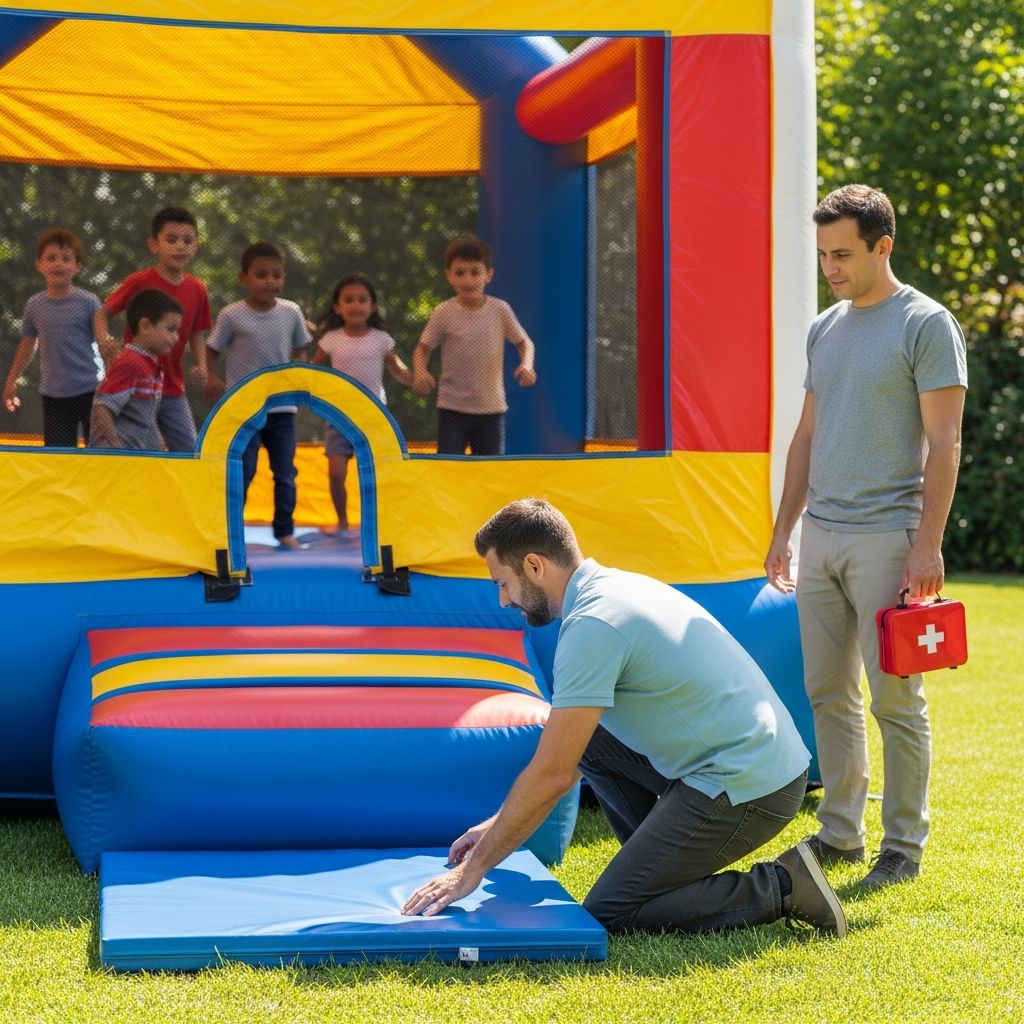
Inflatable bounce houses bring joy to children’s events, but they also carry significant risks of injury. Recent data shows a steady rise in pediatric incidents associated with these structures, underscoring the need for vigilant parental oversight and adherence to safety protocols.
The Growing Concern of Injuries in Inflatable Play Structures
Bounce houses have evolved from simple backyard amusements to common features at parties and festivals. However, their popularity coincides with alarming injury statistics. A CHOC-led study revealed that pediatric bounce house injuries have increased steadily since 2000, with most cases involving falls or collisions inside the structure. Similarly, the Child Injury Prevention Alliance reports an average of 30 children injured daily, leading to nearly 4,000 emergency room visits annually in the U.S.
Common injuries range from minor bruises and sprains to severe fractures, concussions, and lacerations. Fractures account for about 34% of cases in related trampoline studies, a pattern mirrored in bounce houses. Head and neck injuries, including concussions, are particularly worrisome, often resulting from being struck by other children or falling out of the unit.
These incidents highlight why parents must prioritize safety. Factors like improper setup, overcrowding, and lack of supervision contribute to most accidents, making proactive measures essential.
Key Factors Leading to Bounce House Mishaps
Several preventable issues turn fun into tragedy. Wind gusts can lift unsecured bounce houses, causing children to be thrown or the structure to collapse. Collisions occur when too many kids bounce simultaneously, especially if sizes and ages differ.
- Overcrowding: Exceeding capacity leads to mid-air crashes and falls.
- Unsafe Stunts: Flips, somersaults, and rough play amplify injury severity.
- Environmental Hazards: Proximity to trees, power lines, or uneven ground increases risks.
- Poor Maintenance: Worn materials or inadequate anchoring result in deflation or tipping.
Understanding these risks empowers parents to intervene effectively.
Age and Group Size Recommendations for Safe Play
Experts unanimously advise against children under six using bounce houses due to their developing coordination and higher vulnerability to falls. For older kids, limit groups to one child ideally, or no more than four of similar age and size to prevent overpowering smaller participants.
| Age Group | Recommended Limit | Rationale |
|---|---|---|
| Under 6 years | Avoid entirely | Higher risk of severe injury from falls and poor motor control. |
| 6-12 years | 1-4 similar-sized kids | Reduces collision force and awkward landings. |
| Teens/Adults | Prohibited | Excessive weight and strength endanger younger children. |
Adhering to these guidelines significantly cuts injury rates.
Essential Setup and Inspection Protocols
Proper installation is foundational. Secure bounce houses with stakes and sandbags to withstand winds, positioning them on flat ground away from obstacles. Ensure full inflation and check for tears or loose parts before use.
Parents should verify:
- Tie-downs are firmly anchored.
- Unit is away from hazards like overhead lines.
- Manufacturer weight limits are not exceeded.
- Entry/exit points are wide for quick adult access.
Avoid use in rain, high winds, or storms, as wet surfaces heighten slip risks.
Pre-Entry Preparations: What to Remove and Why
Before entering, children must shed shoes, glasses, jewelry, and pocket contents to prevent punctures, slips, or entanglement. Bare feet or non-slip socks provide better traction; sharp items like keys or hair accessories can deflate the structure or cause cuts.
Prohibit food, drinks, and loose clothing that could lead to choking or trips. Inspect thoroughly—many injuries stem from overlooked objects.
The Critical Role of Constant Adult Supervision
No safety measure substitutes for attentive oversight. A dedicated adult must watch continuously, ready to halt play if roughhousing starts. In public settings, don’t rely on others; intervene directly.
Supervisors should enforce rules like staying centered, avoiding walls/exits, and no flips. This vigilance catches issues early, though it doesn’t eliminate all risks.
Recognizing and Responding to Injuries
Even with precautions, accidents happen. Watch for signs like excessive crying, limping, or disorientation. For suspected fractures or head trauma, seek immediate medical care—do not move the child if spinal injury is possible.
Document details: photos, witness accounts, and setup conditions aid potential claims if negligence is involved.
Legal Recourse for Negligent Bounce House Operations
If an injury results from faulty equipment or inadequate supervision by operators, parents may pursue compensation. Liability often falls on rental companies failing safety standards. Consult attorneys experienced in personal injury to evaluate cases involving improper anchoring or overcrowding.
Evidence like incident reports strengthens claims, holding parties accountable.
FAQs: Common Questions on Bounce House Safety
Can children under 6 safely use bounce houses?
No, experts recommend avoiding them for kids under 6 due to elevated injury risks from falls and collisions.
How many kids should be in a bounce house at once?
Ideally one; maximum four of matching age/size to minimize collisions.
What if a bounce house isn’t properly secured?
Do not allow use—unanchored units can blow away, causing severe harm.
Should kids wear shoes inside?
No, remove shoes, glasses, and sharp items to prevent slips and punctures.
Is supervision enough to prevent all injuries?
It reduces risks but doesn’t eliminate them; combine with all safety rules.
Long-Term Trends and Industry Recommendations
Injury data from 2009-2018 shows over 800,000 pediatric cases linked to similar devices, with fractures predominant. The American Academy of Pediatrics notes daily treatments for bounce house incidents. Regulators urge stricter standards, but parental diligence remains key.
Follow manufacturer guidelines and consult pediatricians for children with conditions.
References
- Staying Safe While Having Fun – Bounce House Injuries — Goldberg Law. Accessed 2026. https://www.goldberg-law.com/staying-safe-while-having-fun-bounce-house-injuries
- Bounce House Accidents: What Parents Need to Know — The Gomez Firm. Accessed 2026. https://www.thegomezfirm.com/bounce-house-accidents/
- Bounce house injuries continue to jump: How to protect your kids — CHOC Children’s. 2023-approx. https://health.choc.org/bounce-house-injuries-continue-to-jump-how-to-protect-your-kids/
- Bounce House Injuries and Safety Risks for Kids — Langer & Langer. Accessed 2026. https://www.langerandlanger.com/blog/this-party-favorite-injures-thousands-of-kids-each-year/
- Trampoline and Bounce House Safety — Shriners Children’s. Accessed 2026. https://www.shrinerschildrens.org/en/patient-information/patient-services-and-resources/summer-safety/trampoline-and-bounce-house-safety
- Parents reveal how bounce houses can turn dangerous — ABC News. Accessed 2026. https://abcnews.com/US/parents-reveal-bounce-houses-turn-dangerous/story?id=112978805
Similar Articles








Read full bio of medha deb




