
Preventing 4th of July Injuries: Safety Guide
Essential strategies to avoid fireworks burns, drownings, and accidents during Independence Day celebrations for a safe holiday.
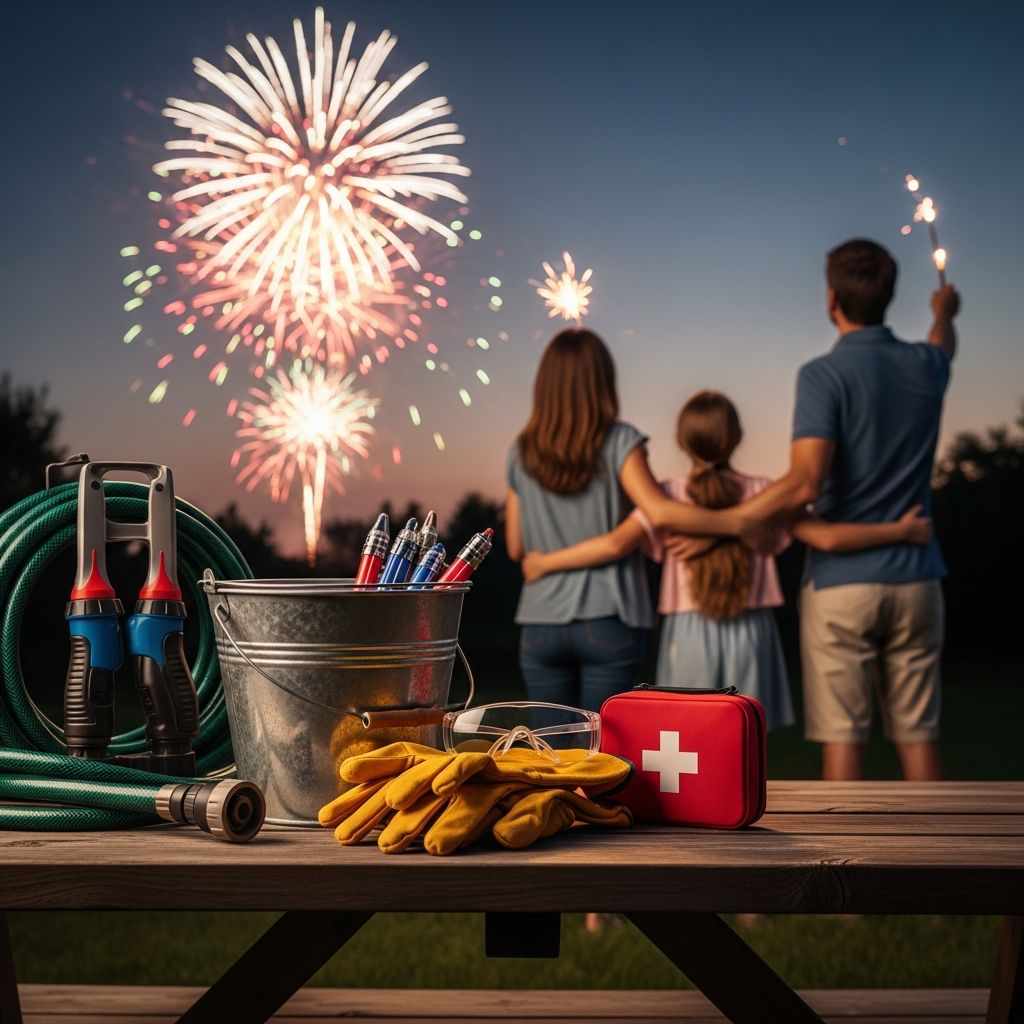
The 4th of July brings vibrant celebrations, but it also heightens risks of injuries from fireworks, water activities, and traffic. In 2024 alone, over 14,700 emergency room visits stemmed from fireworks-related incidents, underscoring the need for vigilance. This guide outlines key hazards and actionable prevention steps to ensure a joyful, injury-free holiday.
Understanding the Scope of Holiday Risks
Independence Day festivities often involve barbecues, parades, and evening displays, creating opportunities for accidents. Fireworks account for the majority of injuries, particularly burns to hands and faces, but drownings, pedestrian strikes, and impaired driving crashes also spike. Adult males around age 30 suffer the most severe firework traumas, including amputations and vision loss, while children face disproportionate risks from sparklers and bottle rockets.
Statistics reveal that most incidents are preventable with basic precautions. The U.S. Consumer Product Safety Commission (CPSC) emphasizes that no fireworks are truly safe for casual use, yet following guidelines dramatically reduces harm. Beyond pyrotechnics, alcohol consumption exacerbates dangers across activities, from boating to driving.
Fireworks Hazards and Protection Strategies
Fireworks cause thousands of injuries annually, with hands, eyes, and faces most vulnerable. Common mishaps include premature explosions, dud relights, and mishandling. Here’s how to mitigate these threats:
- Opt for Professional Displays: Attend public shows to eliminate handling risks entirely—the safest choice.
- Select Legal Products: Purchase from licensed vendors; look for labeled packaging and avoid homemade or altered items.
- Designate a Clear Launch Zone: Choose flat, open areas free of dry grass, trees, or structures. Keep water sources nearby for quick dousing.
- Limit Handheld Devices: Skip sparklers, which burn at 2,000°F and cause more injuries to kids than other fireworks combined. Their remnants stay dangerously hot post-use.
- Enforce Protective Gear: Wear safety goggles and avoid loose clothing. Never lean over fuses or allow multiple people in the ignition area.
- One at a Time Rule: Ignite singly, back away swiftly, and never return to duds. Soak all spent fireworks before disposal.
Impairment multiplies errors—designate sober operators only. Teaching children fireworks are explosives, not toys, fosters respect for dangers.
First Aid for Fireworks Burns and Trauma
Prompt response limits damage from burns or blasts. For minor burns:
- Cool with running water (not ice) for 20 minutes.
- Cover with clean gauze; avoid ointments, butter, or blister popping.
Serious cases—blisters larger than 3 inches, swelling, or deeper tissue damage—demand immediate ER care. Burns often require prolonged rehabilitation, with some leading to permanent disability. Hand surgeons note fireworks can sever tendons, nerves, and vessels, causing lifelong impairment.
| Injury Type | Common Causes | Prevention | Immediate Action |
|---|---|---|---|
| Hand Burns/Cuts | Holding too long, explosions | Protective gloves, distance | Cool water, seek ortho eval |
| Eye Trauma | Bottle rockets, debris | Goggles, no pointing | Flush eyes, urgent ophthalmology |
| Facial Burns | Sparklers, misfires | No close handling | Cover loosely, medical attention |
Water Safety: Preventing Drownings at Pools and Lakes
Post-fireworks swims or boating amplify drowning risks, silent and swift, especially for children. Life jackets are non-negotiable on watercraft.
- Constant Supervision: Assign adults to watch kids exclusively—no distractions like phones.
- Buddy System: Pair swimmers for mutual monitoring.
- No Alcohol Near Water: Impairment dulls judgment, leading to tragedies.
- Clear Pool Rules: No running, diving into shallows, or unsupervised play.
Drownings claim young lives yearly; prevention through vigilance saves them.
Traffic and Pedestrian Safety Amid Celebrations
Crowded events boost pedestrian collisions, particularly at night when kids dart unpredictably. Drivers face drunk driving surges.
- Sober Driving: Plan rideshares or designate drivers—no exceptions.
- Slow Speeds: Navigate festival areas cautiously, scanning for walkers.
- High-Visibility Gear: Use reflective clothing for evening strolls.
- Sidewalk Discipline: Keep children close and off roads.
Pedestrian vigilance prevents late-night mishaps during fireworks rushes.
Grill and Fire Pit Precautions
Barbecues pose flare-up and burn risks, worsened by dry conditions.
- Position grills away from tents or overhangs.
- Use long tools; never leave unattended.
- Keep kids and pets distant; extinguish fully post-use.
Building a Family Safety Plan
Pre-celebration huddles set rules: sober supervision, gear checklists, and emergency contacts. Model caution to instill habits. Role modeling prevents peer-pressure errors.
Communities offer safe viewing—prioritize them for stress-free fun.
Frequently Asked Questions (FAQs)
Are sparklers safe for young children?
No—sparklers cause more burns than consumer fireworks due to extreme heat (2,000°F). Supervise strictly or avoid.
What if a firework dud doesn’t ignite?
Never relight. Soak in water and discard—duds can explode unexpectedly.
Can minor burns be treated at home?
Yes, cool with water and cover. Seek care for blisters, large areas, or infection signs.
How to handle intoxicated guests with fireworks?
Prevent access entirely; sober adults only ignite.
What’s the safest way to enjoy fireworks?
Public professional displays—no personal handling needed.
Long-Term Holiday Safety Habits
Beyond one day, integrate routines like gear storage and annual reviews. Educate on legal fireworks variations by state. Report illegal sales to authorities.
Empower families with knowledge: injuries plummet with preparation. Celebrate responsibly for traditions without trauma.
References
- 4th of July Injury Prevention Tips and Information — UPMC. 2023. https://www.upmc.com/media/news/4th-of-july-injury-prevention-tips
- How To Prevent Firework Accidents This 4th of July in Jacksonville, FL — Baggett Law. 2024. https://www.baggettlaw.com/blog/how-to-prevent-firework-accidents-this-4th-of-july-in-jacksonville-fl/
- Tips to avoid fireworks injuries this Fourth of July — Tidelands Health. 2025. https://www.tidelandshealth.org/newsroom/2025/tips-to-avoid-fireworks-injuries-this-fourth-of-july/
- Firework Safety Tips for Protecting Your Hands This Fourth of July — OrthoCarolina. 2024. https://www.orthocarolina.com/blog/safeguarding-your-hands-essential-firework-safety-tips-for-a-safe-fourth-of-july
- Avoid a Trip to the Hospital With These Fourth of July Fireworks Safety Tips — Yale New Haven Health. 2024. https://www.ynhhs.org/articles/fireworks-safety-tips
- 10 tips to avoid fireworks injuries and what to do if someone is burned — UC Davis Health. 2025-06. https://health.ucdavis.edu/blog/cultivating-health/10-tips-to-avoid-fireworks-injuries-and-what-to-do-if-someone-is-burned/2025/06
- 4 Common Independence Day Accidents (and How to Prevent Them!) — Brooks Law Group. 2024. https://brookslawgroup.com/faqs/4-common-independence-day-accidents-and-how-to-prevent-them/
- Fireworks | CPSC.gov — U.S. Consumer Product Safety Commission. 2025. https://www.cpsc.gov/Safety-Education/Safety-Education-Centers/Fireworks
Similar Articles








Read full bio of medha deb




