Warehouse operations form the backbone of modern supply chains, yet they frequently harbor abusive conditions that endanger workers and undermine business efficiency. These issues range from hazardous physical environments to exploitative labor practices, affecting countless facilities nationwide. Small business owners, often operating on tight margins, must navigate these challenges to avoid legal pitfalls and reputational damage.
Understanding the Scope of Warehouse Hazards
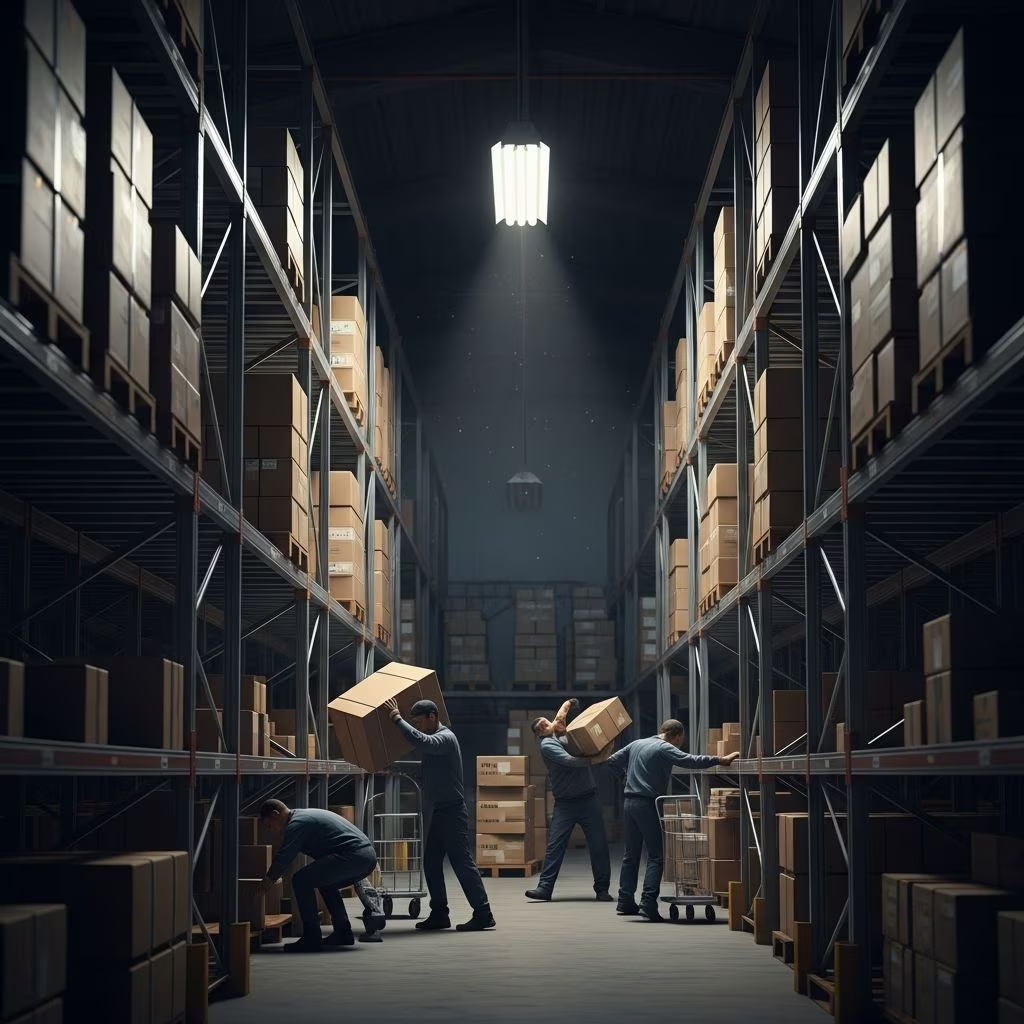
Hazards in warehouses are not isolated incidents but systemic problems exacerbated by high-pressure demands for speed and volume. Workers face ergonomic strains from repetitive lifting, cluttered spaces leading to slips and falls, and poorly maintained equipment. According to occupational safety data, warehousing contributes significantly to workplace injuries, with nearly one in four incidents in logistics stemming from such environments.
For small teams, where staff multitask across roles, these risks amplify. Faulty lighting, cracked floors, and obstructed exits create immediate dangers, while long-term exposure leads to chronic injuries. A thorough facility inspection reveals these vulnerabilities: check for damaged racks, ensure clear pathways, and verify emergency access. Proactive walkthroughs can prevent disruptions that halt operations entirely.
Labor Practices Fueling Abuse
Beyond physical dangers, abusive conditions often manifest in labor mistreatment. High no-show rates among temporary workers disrupt workflows, forcing remaining staff into overtime and burnout. In industrial settings, absenteeism from no-shows leads to overworked teams, missed deadlines, and revenue loss. Managers report chaos when shifts go uncovered, straining morale and productivity.
Excessive workloads compound this, with demands for rapid picking and packing pushing workers beyond safe limits. Poor scheduling, ignoring peak no-show patterns like seasonal spikes, leaves gaps that overburden employees. Small businesses relying on temp staffing face heightened vulnerability without robust contingency plans.
Operational Errors Breeding Unsafe Environments
Common mismanagement practices directly contribute to abuse. Overstocking ties up space, forcing cramped layouts that hinder safe movement. Wholesalers chasing bulk discounts often hoard excess inventory, blocking aisles and increasing collision risks. Conversely, understocking hot items leads to frantic restocking rushes, heightening accident potential.
Disorganization accelerates these problems. Messy docks, scattered debris, and unlabeled pallets slow operations and create trip hazards. Without diligent housekeeping, efficiency plummets, and safety suffers—workers waste time navigating clutter, inviting injuries. Clinging to paper-based systems exacerbates this; manual tracking breeds errors, lost documents, and delays, fostering frustration and unsafe shortcuts.
Ergonomic and Health Risks in Detail
Ergonomic hazards dominate warehouse injuries. Lifting heavy loads, awkward bending, and overhead reaching strain muscles and joints. OSHA identifies these as primary risks, recommending engineered solutions like adjustable racks and mechanical aids. Ignoring staff training leaves workers ill-equipped, amplifying misuse of tools and inefficiency.
Health suffers too—poor ventilation, extreme temperatures, and chemical exposures add layers of risk. Lazy safety protocols, such as skipping PPE or maintenance, invite disasters. Modern warehouses demand narrow-aisle designs, mezzanines, and AS/RS to optimize space safely.
| Hazard Type | Examples | Mitigation |
|---|---|---|
| Physical | Cluttered aisles, damaged racks | Daily housekeeping, rack inspections |
| Ergonomic | Heavy lifting, poor picking paths | Optimized routes, lift assists |
| Labor | No-shows, overwork | Staffing platforms, clear protocols |
| Operational | Overstock, paper processes | Inventory software, digital WMS |
Legal Framework Protecting Workers
Federal regulations set clear standards. OSHA mandates safe conditions, including hazard-free walkways, functional equipment, and training. Violations invite fines, shutdowns, and lawsuits. Small businesses must comply to shield against claims of negligence.
State laws often bolster these, addressing wage theft, forced overtime, and retaliation. Recent scrutiny on mega-warehouses highlights quotas pressuring unsafe speeds, prompting calls for reform. Owners ignoring these face class actions and bad press.
Strategies for Prevention and Compliance
Building safer warehouses starts with technology. Warehouse Management Systems (WMS) replace paper, streamlining inventory and picking for efficiency. Data analytics predict no-shows, enabling proactive staffing via platforms like digital agencies.
- Implement WMS for real-time tracking and optimized paths.
- Conduct weekly safety audits and training sessions.
- Partner with vetted staffing firms for reliable temps.
- Enforce housekeeping schedules to maintain order.
- Monitor ergonomic risks with adjustable equipment.
Cultivate a positive culture: value workers through fair schedules and feedback. This cuts absenteeism as employees feel invested. For small operations, these steps yield outsized returns in productivity and loyalty.
Case Studies: Lessons from the Field
Real-world examples illustrate impacts. A mid-sized distributor slashed injuries 40% post-WMS adoption, freeing space and boosting picks. Another firm reduced no-shows 25% with attendance incentives and platform backups. These underscore prevention’s ROI.
Conversely, neglect proves costly. Facilities with chronic disorganization face higher insurance and turnover, eroding profits. Proactive firms thrive amid rising e-commerce demands.
Future Trends in Warehouse Management
Automation promises relief: AS/RS and AI routing minimize human error and strain. Yet, human oversight remains key—training evolves with tech. Sustainability pushes eco-friendly practices, aligning safety with green goals.
Regulatory evolution looms, with focus on temp worker protections. Small businesses adapting now gain competitive edges.
Frequently Asked Questions
What are the most common signs of abusive warehouse conditions?
Signs include cluttered spaces, frequent injuries, high turnover, reliance on paper processes, and worker complaints about overwork or no-shows.
How can small businesses afford safety improvements?
Start with low-cost audits and digital tools; grants and insurance discounts often offset investments, yielding long-term savings.
Are temporary workers protected under OSHA?
Yes, all employees, including temps, enjoy full OSHA protections; staffing agencies share liability.
What role does inventory management play in safety?
Proper levels prevent overcrowding; overstock blocks paths, while software ensures balanced stock and efficient layouts.
How do no-shows impact warehouse operations?
They cause delays, overload staff, and spike errors; predictive tools and reliable pools mitigate this.
Addressing abusive warehouse conditions demands vigilance and investment. Small businesses prioritizing safety not only comply with laws but build resilient, efficient operations poised for growth.
References
- 9 Common Warehousing Mistakes and How to Avoid Them — Logistics Bureau. 2023-05-15. https://www.logisticsbureau.com/8-common-warehousing-mistakes-and-how-to-avoid-them/
- Complete Warehouse Safety Checklist for Small Businesses and Teams — Base.com. 2024-02-20. https://base.com/en-EN/blog/complete-warehouse-safety-checklist-for-small-businesses-and-teams/
- Most Common Warehouse Mistakes and How to Avoid — Wisys. 2023-11-10. https://wisys.com/blog/most-common-warehouse-mistakes-how-to-avoid
- How To Reduce No-Show Rates For Temporary Workers In Warehouse — Traba. 2024-08-05. https://traba.work/blog/reduce-no-show-rates-temporary-workers-warehouse
- Sick of No-Shows? Here’s How to Reduce Absenteeism in Your Warehouse — Primero Staffing. 2025-04-25. https://www.primerostaffing.com/2025/04/25/sick-of-no-shows-heres-how-to-reduce-absenteeism-in-your-warehouse/
- Warehousing – Hazards and Solutions — OSHA. 2023-01-12. http://www.osha.gov/warehousing/hazards-solutions