
Presidential Power Plays in the DC Circuit
Discover how U.S. presidents have shaped the influential D.C. Circuit Court through appointments, legal battles, and bold policy maneuvers.
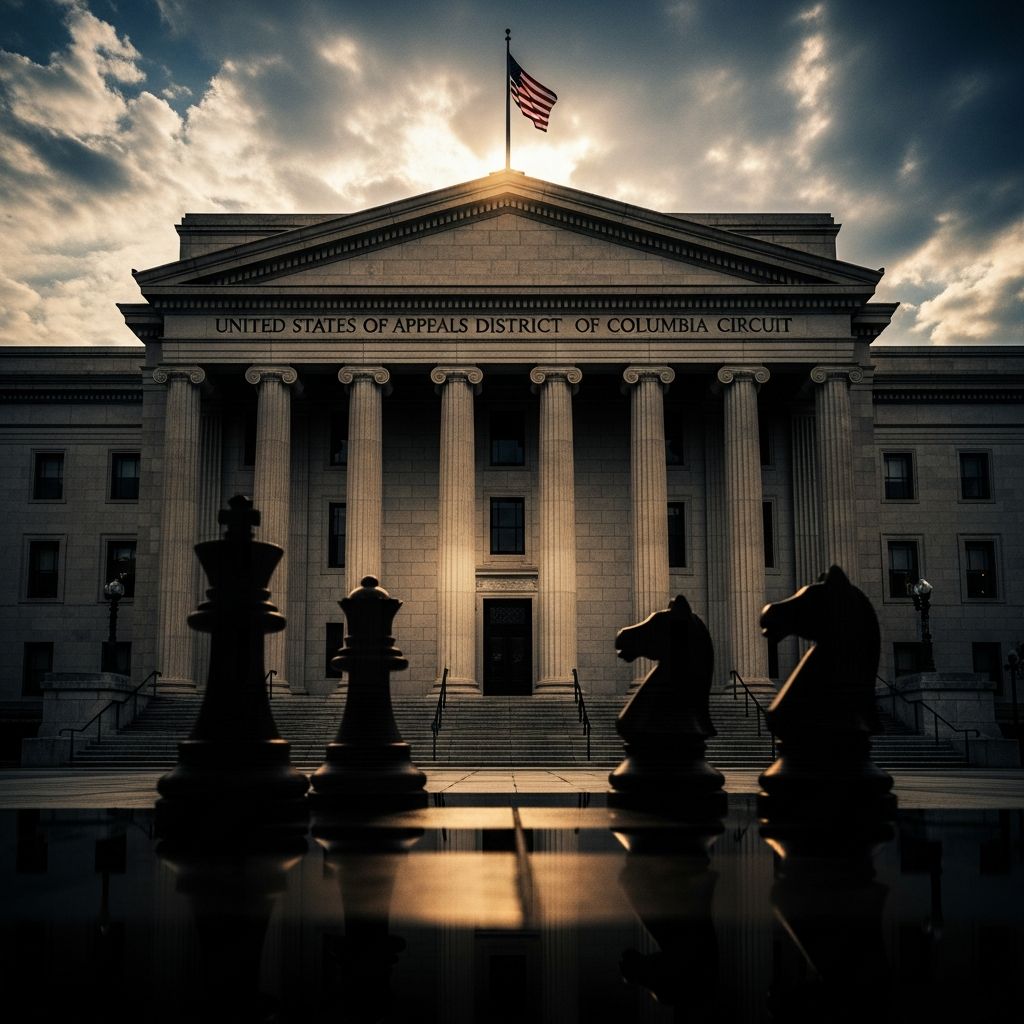
The United States Court of Appeals for the District of Columbia Circuit stands as one of the most powerful federal courts, often called the nation’s second-highest court due to its oversight of major administrative and regulatory decisions. Presidents have long recognized its significance, using various strategies to shape its composition and rulings. This article delves into distinctive presidential interventions, from reshaping the bench through nominations to testing constitutional boundaries in landmark cases.
The Strategic Art of Judicial Nominations
Presidents wield significant influence over the federal judiciary by nominating judges to lifetime positions. The DC Circuit, with its 11 active seats, handles cases involving federal agencies, making it a prime target for executive branch priorities. Historical patterns show presidents prioritizing this court to advance their agendas on regulation, environment, and national security.
During the Obama administration, there was a deliberate push to fill vacancies that had lingered under previous leadership. In a notable 2013 event, President Obama publicly announced nominees in a Rose Garden ceremony, highlighting three candidates: Patricia Millett, Nina Pillard, and another judge. This move aimed to restore balance after years of Republican appointees dominating the bench, which had led to perceptions of ideological tilt in rulings on environmental and labor issues.
These nominations faced intense Senate battles, underscoring the court’s importance. Millett and Pillard were eventually confirmed, diversifying the court and influencing decisions on administrative law. Such efforts demonstrate how presidents use nominations not just to fill seats but to recalibrate judicial philosophy in a court that reviews actions of the executive branch itself.
Emergency Powers and the Shadow of Supreme Review
Presidential declarations of national emergencies have repeatedly landed in the DC Circuit, challenging the boundaries of executive authority. The International Emergency Economic Powers Act (IEEPA), enacted in 1977, grants broad powers during declared emergencies but has rarely been stretched to impose tariffs—a tool traditionally reserved for Congress.
A pivotal Supreme Court case stemming from DC Circuit considerations questions whether presidents can invoke IEEPA for sweeping tariffs on global imports. No prior president had used it this way, typically limiting it to sanctions against adversaries like freezing terrorist assets or blocking arms trades. The case highlights risks of eroding separation of powers, allowing executives to bypass Congress on trade, potentially setting precedents for other policy areas.
Lower courts, including the DC Circuit, have grappled with these expansions. Rulings could either affirm broad presidential leeway—dangerous if it normalizes emergency use for routine policy—or impose checks, requiring genuine crises. This interplay reveals the circuit’s role as a gatekeeper before Supreme Court escalation.
Presidential Immunity: Bold Claims in Court
Claims of presidential immunity have produced some of the most dramatic DC Circuit confrontations. In high-profile litigation involving former President Trump, arguments invoked the Constitution’s Take Care Clause to assert near-absolute protection, portraying the president as a ‘national policeman’ unbound by certain legal constraints.
The court decisively rejected these expansive theories, reinforcing accountability. Oral arguments revealed sharp judicial skepticism, with judges probing the logical extremes of such immunity. This episode underscores the DC Circuit’s willingness to check executive overreach, even amid political pressures.
Related appeals, like those on election-related charges, further tested immunity doctrines. The circuit’s rulings have paved the way for higher review, maintaining a firm stance on prosecutorial limits without shielding core official acts indiscriminately.
Regulatory Battles and Agency Challenges
The DC Circuit is the epicenter for disputes between environmental groups and federal agencies like the EPA. Cases such as Sierra Club v. EPA exemplify recurring captions, addressing rules on air quality monitoring, sampling frequencies, and prevention of significant deterioration.
Presidential administrations shape these through agency directives. For instance, shifts in EPA policies under different leaders lead to waves of litigation. Judges scrutinize whether rules comply with statutes like the Clean Air Act, often vacating permits lacking proper environmental impact statements, as in challenges to power transmission projects across historic sites.
These cases illustrate presidential influence via executive agency control, with the circuit acting as a referee on rulemaking rigor.
Unconventional Legal Maneuvers: The Abortion Case Saga
In a rare and contentious episode, the DC Circuit ruled on an undocumented minor’s abortion rights amid government opposition. The administration sought Supreme Court intervention to vacate the decision, alleging attorney misconduct in scheduling the procedure to preempt review.
Government lawyers accused ACLU counsel of misleading them on timing—shifting the abortion earlier than planned—thwarting emergency appeals. This unusual request for sanctions highlighted procedural tensions in sensitive cases involving executive immigration policies and individual rights.
The incident exposed fault lines in handling time-sensitive appeals, with the DC Circuit at the vortex of executive-judicial clashes over policy enforcement.
Executive Actions and Shadow Docket Pressures
Presidential reliance on the Supreme Court’s ‘shadow docket’—emergency applications—has surged, often routing through DC Circuit precedents. From workforce reductions to immigration raids and transgender military policies, these shadow rulings shift power dynamics with minimal explanation.
Under Trump, applications spiked dramatically, with high grant rates amplifying executive actions. This trend pressures lower courts like the DC Circuit to navigate expedited reviews, influencing outcomes on tariffs, firings, and enforcement.
Comparative Table: Presidential Impacts Across Eras
| President/Era | Key Action | DC Circuit Impact | Outcome |
|---|---|---|---|
| Obama (2013) | High-profile nominations | Balanced bench composition | Confirmations after Senate fights |
| Trump Era | Emergency powers/tariffs | Challenges to IEEPA use | Pending SCOTUS review |
| Trump Immunity | Take Care Clause arguments | Rejection of broad immunity | Ruled against expansive claims |
| Various | EPA/Regulatory suits | Rule vacaturs and permits denied | Oversight of agency actions |
Implications for Future Presidencies
These episodes reveal patterns: presidents nominate ideologically aligned judges, leverage emergencies to test limits, and face circuit pushback on overreach. The DC Circuit’s decisions ripple nationally, shaping administrative state functions.
Looking ahead, with ongoing Supreme Court scrutiny, the circuit remains a battleground. Balance hinges on Senate cooperation for nominations and judicial restraint amid politicized dockets.
Frequently Asked Questions (FAQs)
What makes the DC Circuit so influential?
It reviews federal agency actions, environmental regs, and national security, often setting precedents for the Supreme Court.
How do presidents appoint DC Circuit judges?
Via nomination and Senate confirmation; vacancies allow strategic reshaping of the bench.
Can presidents use emergency powers for tariffs?
Contested; IEEPA traditionally for sanctions, not broad trade policy—under Supreme Court review.
What was the outcome of Trump’s immunity claims in DC Circuit?
Court rejected broad interpretations, affirming accountability limits.
Why do environmental cases dominate DC Circuit dockets?
Due to EPA and agency rule challenges by groups like Sierra Club.
References
- DC Drama: Budget Cuts, Tariffs, Ice Raids & The Court Unpacked — UChicago Institute of Politics. 2024-10-15. https://www.youtube.com/watch?v=rSVENQopf6Y
- Better Know a Circuit: The DC Circuit: Obama Restores Some Sanity — Daily Kos. 2016-09-30. https://www.dailykos.com/stories/2016/9/30/1567751/-Better-Know-a-Circuit-The-DC-Circuit-Obama-Restores-Some-Sanity-to-our-second-highest-court
- What’s at Stake in the Supreme Court Tariffs Case — Brennan Center for Justice. 2024-11-01. https://www.brennancenter.org/our-work/analysis-opinion/whats-stake-supreme-court-tariffs-case
- The DC Circuit Dropkicked Trump’s Magical Immunity Claims — Law and Chaos Pod. 2024-01-15. https://www.lawandchaospod.com/p/the-dc-circuit-dropkicked-trumps
- D.C. Circuit Review – Reviewed: What’s the Most Common Caption? — Yale Journal on Regulation. 2023-05-10. https://www.yalejreg.com/nc/d-c-circuit-review-reviewed-most-common-case-caption/
- Government seeks to vacate D.C. Circuit abortion ruling — SCOTUSblog. 2017-11-20. https://www.scotusblog.com/2017/11/government-seeks-vacate-d-c-circuit-abortion-ruling-asks-disciplinary-action-lawyers/
- Debriefing on the Presidential Immunity Argument at the D.C. Circuit — YouTube. 2024-01-10. https://www.youtube.com/watch?v=fE4uCX2ZEP4
Similar Articles








Read full bio of medha deb




